Social Media’s Evolving Role: 3 Key Challenges for Digital Well-being in 2026
Advertisements
By 2026, social media’s evolving role presents three critical challenges to digital well-being: algorithmic manipulation, pervasive misinformation, and the erosion of authentic connection, demanding proactive strategies for a healthier online future.
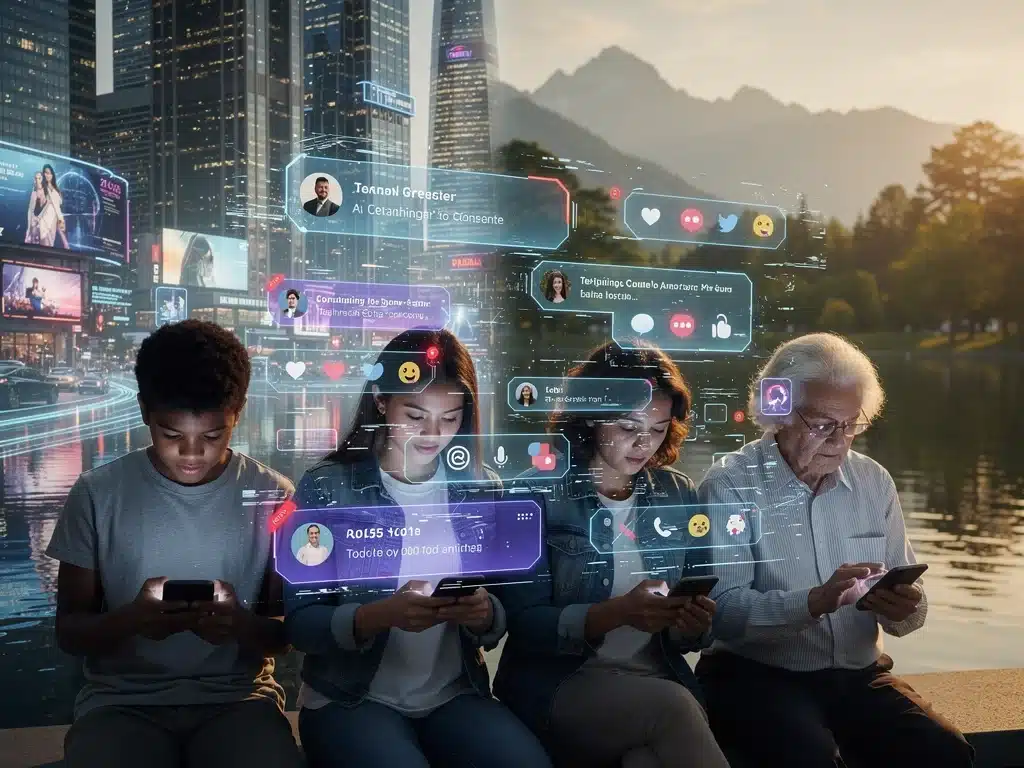
The digital landscape is in constant flux, and understanding social media digital well-being has become paramount as we approach 2026. Social media, once a simple tool for connection, now deeply intertwines with our daily lives, influencing everything from our self-perception to our societal interactions. This article delves into the three most significant challenges posed by its evolving role, offering a comprehensive comparison and analysis to better navigate this complex future.
Advertisements
The Algorithmic Echo Chamber: Amplifying Division and Discontent
As we move towards 2026, the sophisticated algorithms governing social media platforms continue to evolve, presenting a significant challenge to digital well-being. These algorithms, designed to maximize engagement, often inadvertently create echo chambers, reinforcing existing beliefs and limiting exposure to diverse perspectives.
The impact of these algorithmic echo chambers extends beyond mere content preference. They shape our understanding of the world, influence our emotional states, and can even contribute to societal polarization. By prioritizing content that aligns with past interactions, algorithms create a feedback loop that can intensify feelings of validation or, conversely, isolation when confronted with opposing views.
Personalized Realities and Their Consequences
The personalization driven by algorithms means each user experiences a unique version of reality online. This bespoke digital environment, while seemingly tailored for individual enjoyment, carries profound implications for collective digital well-being.
- Reinforced Biases: Algorithms prioritize content confirming existing biases, making it harder to engage in nuanced discussions.
- Reduced Empathy: Limited exposure to diverse viewpoints can diminish empathy and understanding for those with different experiences.
- Mental Health Strain: Constant exposure to highly specific, often curated content can foster unrealistic comparisons and anxieties.
- Information Silos: Users become isolated in their own information bubbles, hindering critical thinking and factual discourse.
The comparison between a truly open internet and one filtered by advanced algorithms reveals a stark contrast in information access and psychological impact. While the former encouraged serendipitous discovery and diverse engagement, the latter risks creating a more fragmented and potentially hostile online environment. The challenge lies in designing algorithms that balance engagement with broader societal well-being, fostering connection without sacrificing critical thought or emotional health.
Ultimately, navigating the algorithmic echo chamber requires conscious effort from users and a commitment from platforms to prioritize holistic digital well-being over raw engagement metrics. Understanding how these systems operate is the first step towards mitigating their potentially adverse effects on our collective and individual mental states.
The Pervasive Spread of Misinformation: Eroding Trust and Critical Thinking
In an increasingly interconnected world, the rapid dissemination of misinformation has become a critical challenge for digital well-being, particularly as we look towards 2026. Social media platforms, by their very nature, can accelerate the spread of false or misleading content, undermining public trust and hindering informed decision-making.
The sheer volume and speed at which misinformation travels make it difficult for individuals to discern truth from falsehood. This constant exposure to unverified claims, conspiracy theories, and emotionally charged narratives can lead to increased anxiety, confusion, and a general erosion of trust in institutions and even personal relationships.
The Mechanics of Misinformation Spread
Misinformation thrives in environments where content is shared rapidly and context is often stripped away. Social media’s design, with its emphasis on virality and instant gratification, inadvertently creates fertile ground for its propagation.
- Emotional Appeals: Misinformation often leverages strong emotions, making it highly shareable regardless of accuracy.
- Confirmation Bias: Users are more likely to share content that aligns with their pre-existing beliefs, even if it’s false.
- Platform Design: Algorithms can inadvertently amplify misinformation by prioritizing engagement over factual accuracy.
- Lack of Vetting: The speed of sharing often bypasses traditional journalistic fact-checking processes.
Analyzing the impact of misinformation reveals a profound challenge to digital well-being. It not only affects individuals’ ability to make sound judgments but also contributes to a fractured public discourse, making consensus on important societal issues increasingly difficult. The mental load of constantly evaluating information can be exhausting, leading to digital fatigue and a sense of helplessness. The comparison with earlier forms of media, where gatekeepers played a more significant role in information verification, highlights the unique pressures of the current digital age.
Addressing this challenge requires a multi-faceted approach, combining media literacy education for users, robust fact-checking initiatives from platforms, and a collective commitment to responsible sharing. Protecting digital well-being in 2026 means actively combating misinformation and fostering environments where truth and critical thinking are valued above all else.
The Erosion of Authentic Connection: Loneliness in the Digital Age
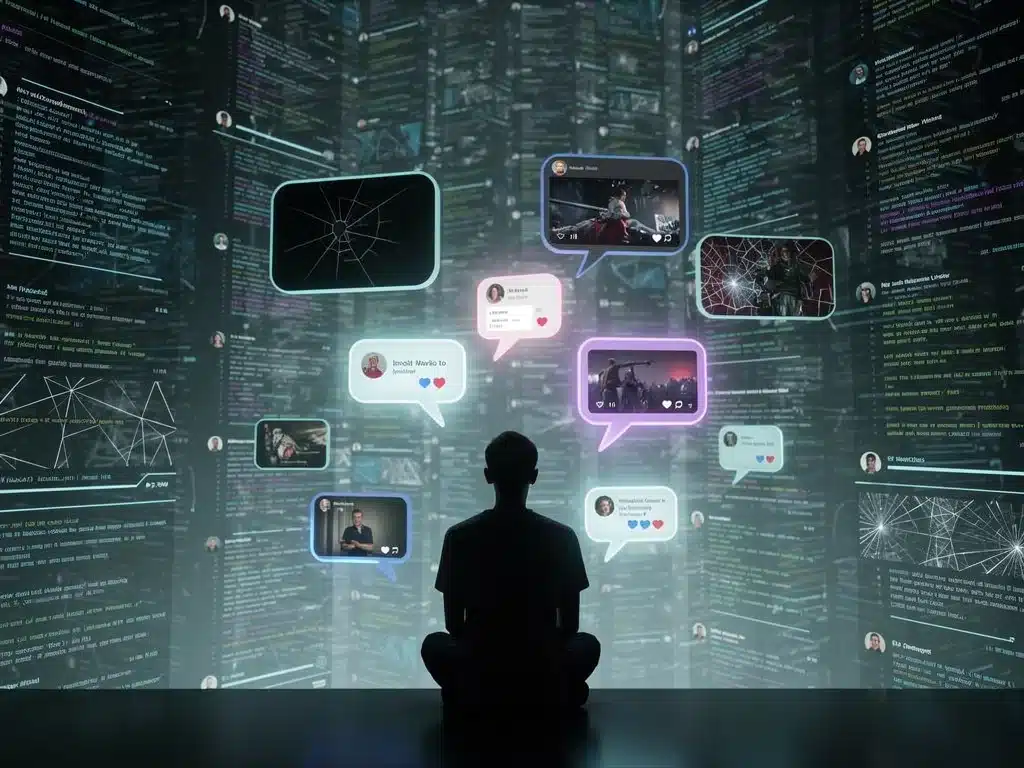
Despite their promise of global connectivity, social media platforms increasingly contribute to an ironic outcome: the erosion of authentic human connection, leading to heightened feelings of loneliness and isolation. This paradox represents a significant challenge to digital well-being as we approach 2026.
While social media allows us to maintain superficial ties with a vast network, it often replaces deeper, more meaningful interactions with curated performances and fleeting engagements. The constant pressure to present an idealized self, coupled with the passive consumption of others’ highlights reels, can foster feelings of inadequacy and disconnection from genuine human experience.
Surface-Level Interactions vs. Deep Bonds
The nature of social media interaction often prioritizes quantity over quality, favoring quick likes and comments over substantive dialogue. This shift has profound implications for our psychological well-being.
- Comparison Culture: Constant exposure to others’ idealized lives fuels social comparison, leading to envy and low self-esteem.
- Performance Anxiety: The pressure to maintain a perfect online persona can be mentally exhausting and inauthentic.
- Superficial Relationships: Digital interactions often lack the depth and nuance necessary for true emotional intimacy.
- Fear of Missing Out (FOMO): Pervasive glimpses into others’ activities can trigger anxiety and feelings of exclusion.
A careful analysis reveals that while social media offers avenues for initial contact, it often struggles to facilitate the sustained, vulnerable interactions that form the bedrock of authentic relationships. The comparison between face-to-face communication, rich with non-verbal cues and shared presence, and text-based or image-driven exchanges on social media underscores this deficit. This digital substitution can leave individuals feeling more connected on the surface but profoundly alone beneath it, impacting their overall digital well-being.
Reclaiming authentic connection in the digital age requires intentional effort: prioritizing in-person interactions, engaging in mindful social media use, and fostering environments where vulnerability and genuine conversation are encouraged. The challenge for 2026 is to leverage social media’s connecting power without sacrificing the depth of human relationships.
Navigating the Evolving Digital Landscape: Strategies for Resilience
Understanding the challenges posed by social media’s evolving role is merely the first step; developing effective strategies for resilience is paramount for maintaining digital well-being in 2026. This involves a combination of individual practices, educational initiatives, and platform accountability.
Individual users must cultivate a critical eye and adopt mindful usage habits. This means questioning the content they consume, recognizing algorithmic biases, and intentionally seeking out diverse sources of information. It also involves setting boundaries for screen time and prioritizing real-world interactions over endless scrolling.
Empowering Users Through Digital Literacy
Education plays a crucial role in empowering individuals to navigate the complexities of the digital world. Digital literacy programs should extend beyond basic technical skills to include critical thinking about online content, understanding psychological impacts, and fostering responsible online citizenship.
- Media Literacy Training: Teaching users to identify misinformation and understand its propagation tactics.
- Algorithmic Awareness: Educating about how algorithms shape feeds and influence perceptions.
- Mindful Use Practices: Encouraging self-regulation, digital detoxes, and setting screen time limits.
- Promoting Empathy Online: Fostering respectful discourse and understanding diverse perspectives.
Platforms also bear a significant responsibility. Their evolving role demands a shift from solely maximizing engagement to actively promoting user well-being. This includes investing in robust fact-checking, redesigning algorithms to prioritize quality over virality, and offering tools that help users manage their online experience more effectively. The comparison between platforms that embrace these responsibilities and those that do not will be a key factor in their long-term viability and public trust. A collaborative approach, involving users, educators, policymakers, and tech companies, is essential to foster a healthier digital ecosystem.
Building resilience against social media’s challenges is an ongoing process. It requires continuous adaptation to new technological developments and a steadfast commitment to human-centric design. By proactively addressing these issues, we can ensure that the evolving digital landscape contributes positively to our lives, rather than detracting from our well-being.

The Future of Regulation and Ethical Design: Shaping a Healthier Digital Space
As we analyze the trajectory of social media towards 2026, the discussion inevitably turns to the critical roles of regulation and ethical design in shaping a healthier digital environment. The laissez-faire approach of the past is increasingly being questioned, with growing calls for greater accountability from tech giants.
Governmental bodies globally are grappling with how to effectively regulate platforms without stifling innovation, while simultaneously protecting user digital well-being. This involves complex considerations around data privacy, content moderation, and algorithmic transparency. The challenge is to create frameworks that are adaptable to rapid technological change and enforceable across international borders.
Balancing Innovation with Responsibility
Ethical design principles are becoming non-negotiable. This means moving beyond designs that are inherently addictive or exploit psychological vulnerabilities, towards interfaces and features that promote positive engagement and respect user autonomy.
- Algorithmic Transparency: Platforms providing clearer explanations of how algorithms curate content.
- Data Privacy by Design: Integrating privacy considerations from the outset of product development.
- User Control Tools: Empowering users with more granular control over their feeds and data.
- Well-being Metrics: Developing and publicly reporting on metrics that measure positive user outcomes, not just engagement.
The comparison between existing regulatory landscapes and proposed models highlights a significant gap. Many current laws were not designed for the complexities of modern social media, leading to reactive rather than proactive governance. A forward-thinking approach for 2026 must involve continuous dialogue between policymakers, ethicists, academics, and industry leaders to co-create solutions. This collaborative effort is crucial for fostering an ecosystem where technological advancement aligns with societal well-being. The analysis suggests that without a concerted push for both robust regulation and ingrained ethical design, the challenges to digital well-being will only intensify.
Ultimately, the future of social media’s impact on digital well-being hinges on a collective commitment to responsibility. This involves not only mitigating existing harms but also proactively designing for a future where technology serves humanity in a truly beneficial way, fostering connection and knowledge without compromising mental or societal health.
Personal Accountability and Community Action: Building a Better Online Future
Beyond regulation and ethical design, the long-term health of our digital ecosystem, and by extension our digital well-being, depends heavily on personal accountability and concerted community action. As social media continues its evolving role toward 2026, individual choices and collective efforts will significantly influence the balance between its benefits and its challenges.
Personal accountability means taking ownership of our online habits. This isn’t about shaming individuals, but rather empowering them with the knowledge and tools to make conscious decisions about how they engage with platforms. It involves recognizing the psychological hooks, understanding the algorithms at play, and actively curating a digital experience that supports, rather than detracts from, mental health.
The Power of Collective Engagement
Community action, whether online or offline, provides a vital counter-balance to the potentially isolating effects of social media. This can manifest in various forms, from grassroots movements advocating for platform changes to local groups fostering real-world connections.
- Advocacy for Change: Users collectively demanding more ethical practices and transparent algorithms from platforms.
- Digital Literacy Initiatives: Community-led efforts to educate peers on safe and healthy online behaviors.
- Offline Connection Groups: Creating spaces that prioritize face-to-face interaction to combat digital isolation.
- Support Networks: Forming online and offline groups to discuss digital well-being challenges and share coping strategies.
Comparing individual efforts to broader community initiatives reveals a synergistic relationship. Personal changes, amplified by collective action, create a powerful force for transformation. For instance, an individual deciding to reduce screen time becomes part of a larger trend when that sentiment is shared and supported within a community, potentially influencing platform design or policy changes. The analysis points to a future where active user participation is not just desirable but essential for shaping a social media landscape that genuinely serves its users. This requires a shift from passive consumption to active, informed engagement, turning users into stakeholders in their own digital well-being.
Ultimately, fostering a healthier online future by 2026 demands a continuous, collaborative effort. It’s a journey where personal choices, community support, and systemic changes intertwine to create a digital world that truly enhances human connection and well-being, rather than undermining it.
| Key Challenge | Brief Description |
|---|---|
| Algorithmic Echo Chambers | Algorithms reinforce existing beliefs, limiting diverse perspectives and potentially polarizing users. |
| Pervasive Misinformation | Rapid spread of false content erodes trust, critical thinking, and contributes to anxiety. |
| Erosion of Authentic Connection | Superficial online interactions lead to feelings of loneliness despite increased connectivity. |
Frequently Asked Questions About Digital Well-being in 2026
Digital well-being by 2026 refers to the balanced and healthy relationship individuals have with technology, specifically social media. It encompasses managing screen time, mitigating negative psychological impacts, fostering authentic connections, and critically engaging with online content to ensure a positive and enriching digital experience.
Algorithms significantly impact digital well-being by creating personalized feeds that can reinforce existing biases, limit exposure to diverse viewpoints, and contribute to echo chambers. This can lead to increased polarization, mental health strains from comparison, and a distorted perception of reality, affecting overall mental and emotional states.
Misinformation erodes digital well-being by spreading false narratives that undermine trust, confuse individuals, and hinder critical thinking. Constant exposure to unverified content can cause anxiety, digital fatigue, and contribute to a fragmented public discourse, making it challenging to form informed opinions and maintain mental clarity.
Yes, social media can paradoxically lead to loneliness. While it offers superficial connections, it often replaces deeper, authentic interactions. The pressure to present an idealized self, coupled with constant social comparison, can foster feelings of inadequacy, isolation, and a lack of genuine emotional intimacy, impacting psychological well-being.
To improve digital well-being, individuals can practice mindful social media use, set screen time limits, critically evaluate content, seek diverse information sources, and prioritize real-world interactions. Developing digital literacy, understanding algorithmic influences, and engaging in digital detoxes are also crucial steps towards a healthier online experience.
Conclusion
As we look towards 2026, social media’s evolving role presents a complex interplay of opportunities and significant challenges for digital well-being. The pervasive influence of algorithmic echo chambers, the relentless spread of misinformation, and the subtle erosion of authentic human connection demand our immediate and sustained attention. Navigating this intricate landscape requires a multi-faceted approach, encompassing individual accountability, robust digital literacy initiatives, ethical design from platforms, and thoughtful governmental regulation. By understanding these key challenges and actively working towards solutions, we can collectively shape a digital future where technology genuinely enhances our lives, fostering meaningful connections and informed discourse, rather than detracting from our mental and emotional health. The journey towards a healthier digital space is ongoing, and our proactive engagement today will define the well-being of tomorrow’s online experience.