Combating Misinformation: 4 Strategies for Media Literacy in 2026 U.S.
Advertisements
Effectively combating misinformation in 2026 U.S. society requires robust media literacy strategies, empowering individuals to critically assess information, identify manipulative tactics, and foster a more informed and resilient digital citizenry against pervasive disinformation campaigns.
Advertisements
The landscape of information in 2026 U.S. society is more complex and challenging than ever, making effective media literacy strategies not just beneficial, but essential. As digital platforms evolve and the speed of information dissemination accelerates, the ability to discern truth from falsehood becomes a cornerstone of an informed citizenry. This article explores practical solutions to empower individuals and communities in the ongoing battle against misinformation.
Understanding the Misinformation Landscape in 2026
The digital age, while offering unprecedented access to information, has also created fertile ground for misinformation and disinformation to flourish. In 2026, the U.S. society faces a sophisticated web of false narratives, often amplified by algorithmic biases and echo chambers. Understanding this complex environment is the first step toward building resilience.
Misinformation isn’t just about false facts; it often involves deeply embedded narratives designed to manipulate public opinion or sow discord. These narratives can be subtle, leveraging emotional appeals and confirmation biases, making them particularly difficult to identify without proper tools and critical thinking skills. The sheer volume of content available online means that individuals are constantly bombarded, requiring a proactive approach to information consumption.
The Evolution of Digital Deception
The tactics used to spread misinformation have grown more advanced. We’ve moved beyond simple fabricated stories to deepfakes, AI-generated content, and highly personalized disinformation campaigns. These techniques exploit trust, blur the lines between reality and simulation, and can significantly impact public discourse and democratic processes.
- AI-Generated Content: Sophisticated AI models can produce convincing text, images, and videos, making it harder to distinguish authentic content from synthetic.
- Deepfake Technology: Realistic but fabricated audio and visual content can impersonate real individuals, leading to severe reputational damage and widespread confusion.
- Algorithmic Amplification: Social media algorithms, designed to maximize engagement, can inadvertently prioritize sensational or polarizing content, often leading to the rapid spread of misinformation.
Impact on Society and Democracy
The pervasive nature of misinformation poses a significant threat to the fabric of U.S. society. It erodes trust in institutions, fuels political polarization, and can even influence critical decisions, from public health choices to electoral outcomes. A well-informed populace is fundamental to a functioning democracy, and misinformation directly undermines this foundation.
The challenge extends beyond individual beliefs; it affects collective action and shared understanding. When different segments of society operate with fundamentally different sets of ‘facts,’ consensus-building becomes nearly impossible. This fragmentation can lead to social unrest, a breakdown in civil discourse, and a diminished capacity to address pressing national and global issues.
To effectively counter these threats, a multi-faceted approach to media literacy is indispensable. It requires not only individual skill development but also systemic changes in how information is produced, disseminated, and consumed across all levels of society.
Strategy 1: Fostering Critical Thinking and Source Evaluation Skills
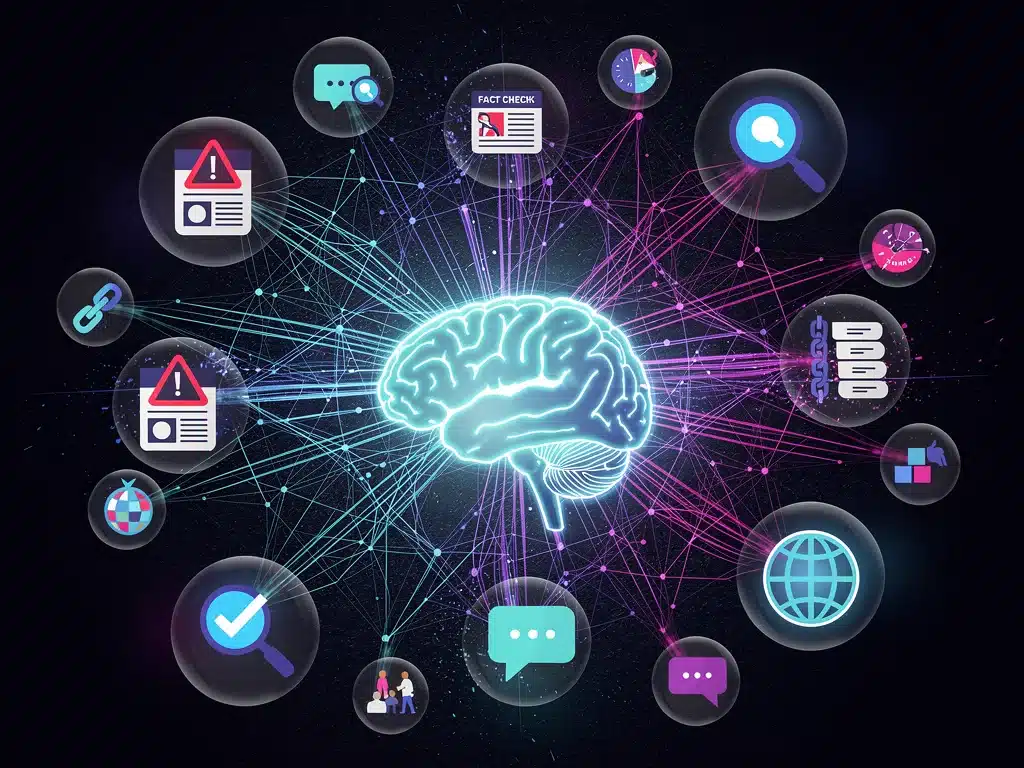
At the core of any effective media literacy program lies the cultivation of critical thinking. This isn’t merely about questioning everything but about developing the cognitive tools to systematically evaluate information, its origins, and its potential biases. In 2026, with the proliferation of diverse content, these skills are more vital than ever.
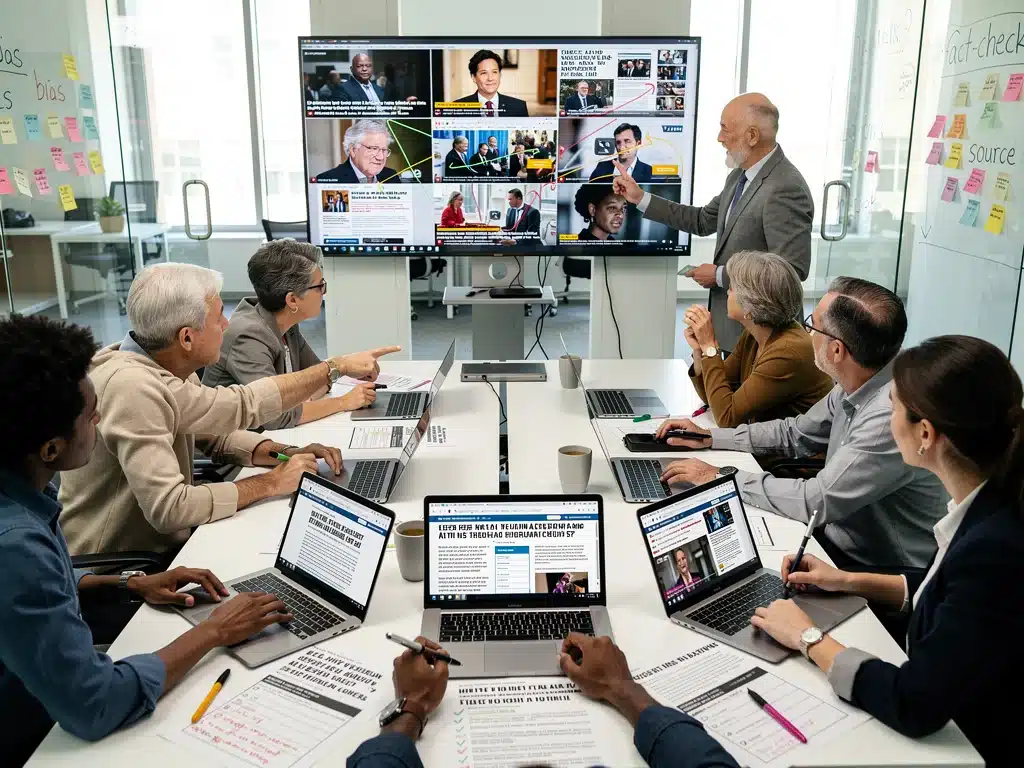
Teaching individuals to ‘think like a fact-checker’ involves moving beyond superficial judgments and delving into the underlying mechanisms of information creation and distribution. It’s about empowering them to become active, rather than passive, consumers of news and online content, capable of dissecting complex narratives.
The "S.I.F.T." Method for Online Information
One highly effective framework for source evaluation is the "S.I.F.T." method, popularized by the Stanford History Education Group. This approach encourages readers to:
- S – Stop: Before sharing or believing, pause and consider the source and content.
- I – Investigate the Source: Don’t just read the article; research the publication or author. Are they credible? Do they have a clear agenda?
- F – Find Better Coverage: Look for other reputable sources reporting on the same topic. If others aren’t covering it, or are reporting very differently, be wary.
- T – Trace Claims to Original Context: Many claims are taken out of context. Find the original source of data, quotes, or images to understand their true meaning.
This method shifts the focus from simply analyzing content to understanding its context and provenance, a crucial distinction in the fight against sophisticated misinformation campaigns.
Developing Cognitive Resilience Against Bias
Beyond external evaluation, media literacy also involves internal reflection. Recognizing one’s own cognitive biases, such as confirmation bias (the tendency to favor information that confirms existing beliefs) or availability heuristic (overestimating the importance of information that is easily recalled), is crucial.
Educational programs must integrate lessons on psychological principles that make individuals susceptible to misinformation. Understanding how emotions are leveraged, how narratives are constructed to appeal to specific ideologies, and how fear or outrage can cloud judgment are all components of building cognitive resilience. This self-awareness allows individuals to approach information with a more objective and discerning mindset, making them less vulnerable to manipulation.
Strategy 2: Integrating Media Literacy into Educational Curricula
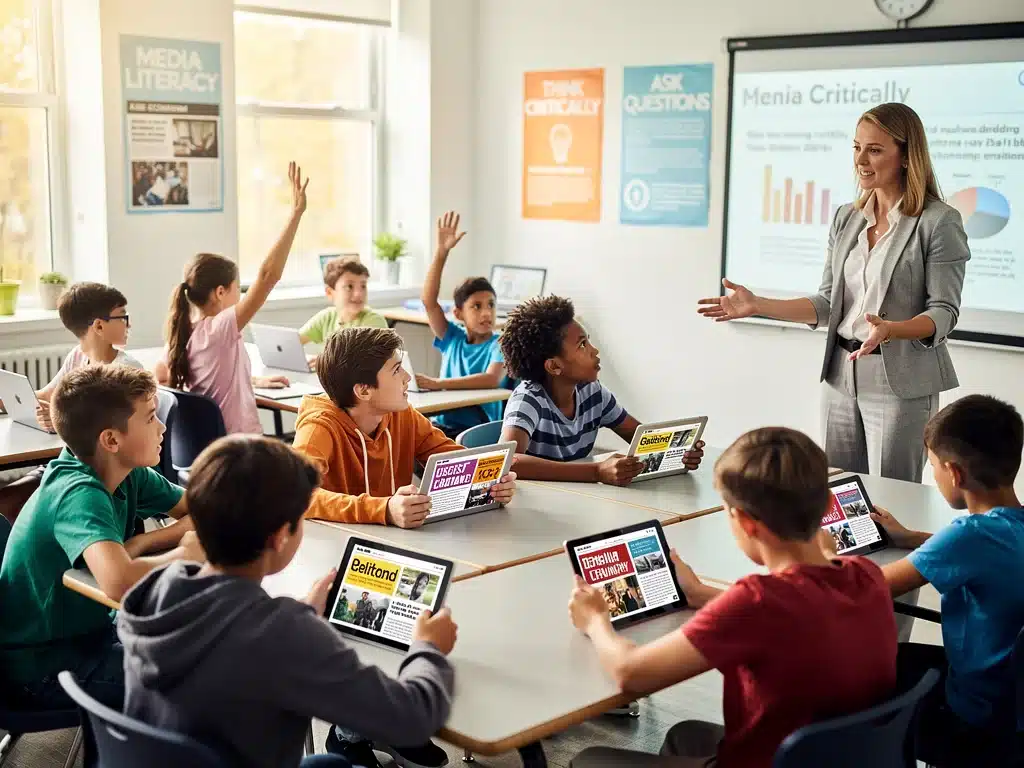
For media literacy to become a fundamental skill across U.S. society, it must be systematically integrated into educational curricula from an early age. Waiting until adulthood to teach these essential skills is often too late, as habits of information consumption are formed much earlier. By 2026, a comprehensive, K-12 approach is becoming increasingly recognized as vital.
This integration goes beyond a standalone class; it involves weaving media literacy concepts into various subjects, from history and civics to English and science. This interdisciplinary approach demonstrates the universal applicability of critical evaluation skills and reinforces their importance in diverse contexts.
Early Childhood to High School Initiatives
In elementary schools, media literacy can begin with simple concepts like identifying different types of media (news, advertising, entertainment) and understanding that messages are created with a purpose. As students progress, they can learn about identifying persuasive techniques, understanding bias, and recognizing the difference between opinion and fact.
By high school, students should be engaging with complex topics such as algorithmic bias, the economics of information, the impact of social media on mental health, and the ethical implications of digital communication. They should be equipped to analyze sophisticated disinformation tactics and participate in informed civic discourse.
Teacher Training and Resource Development
The success of curriculum integration hinges on adequately trained educators. Teachers need professional development to understand the evolving media landscape, identify new forms of misinformation, and effectively teach these skills to their students. This includes not just pedagogical techniques but also access to up-to-date resources and tools.
- Professional Development Programs: Regular workshops and online courses for educators to stay current on media literacy best practices and emerging threats.
- Curriculum Development Kits: Providing teachers with ready-to-use lesson plans, activities, and assessment tools tailored to different age groups and subjects.
- Collaboration with Experts: Partnering with journalists, librarians, and media professionals to bring real-world expertise into the classroom.
Investing in teacher training ensures that media literacy is taught effectively and consistently across all educational levels, creating a generation of digitally savvy and critically thinking citizens prepared for the challenges of 2026 and beyond. This comprehensive approach ensures that media literacy is not just an add-on but a foundational element of modern education.
Strategy 3: Supporting Independent Journalism and Fact-Checking Organizations
In an era rife with misinformation, the role of independent journalism and dedicated fact-checking organizations becomes paramount. These entities serve as crucial bulwarks against the tide of false information, providing reliable reports and verifying claims that might otherwise go unchallenged. Supporting their work is a direct strategy for strengthening media literacy in 2026 U.S. society.
Robust independent journalism offers in-depth reporting, investigative pieces, and diverse perspectives that are essential for a healthy public sphere. Fact-checking organizations, on the other hand, provide a vital service by scrutinizing specific claims and debunking falsehoods with evidence-based analysis, helping the public distinguish truth from fiction.
Funding and Accessibility for Quality News
Many independent news outlets struggle financially in the digital age, often facing competition from ad-driven platforms that prioritize clicks over accuracy. Public and private funding initiatives can help sustain these organizations, allowing them to invest in quality reporting and investigative journalism without succumbing to commercial pressures.
Furthermore, making quality journalism accessible to a wider audience, regardless of socioeconomic status, is crucial. This could involve supporting public broadcasting, funding community newspapers, or developing initiatives that provide free or subsidized access to reputable news sources. An informed public needs access to reliable information, not just information.
Collaborative Efforts with Fact-Checkers
Fact-checking organizations often work tirelessly with limited resources. Greater collaboration between these entities, academic institutions, and technology platforms can amplify their impact. This includes:
- Cross-Platform Partnerships: Social media companies and search engines can integrate fact-checkers’ findings more prominently, labeling dubious content and providing context.
- Research and Development: Supporting research into new methods and technologies for identifying and debunking misinformation more efficiently, including AI-assisted tools.
- Public Awareness Campaigns: Joint efforts to educate the public about the importance of fact-checking and how to identify credible fact-checking sources.
By bolstering the infrastructure of independent journalism and fact-checking, society gains powerful allies in the fight against misinformation. These organizations not only provide accurate information but also model the critical thinking and evidence-based analysis that are hallmarks of media literacy.
Strategy 4: Promoting Digital Citizenship and Responsible Online Behavior
Media literacy extends beyond simply consuming information critically; it encompasses responsible digital citizenship. In 2026, as interconnectedness deepens, understanding the impact of one’s online actions and fostering a culture of respectful, ethical, and discerning digital engagement is paramount. This strategy focuses on empowering individuals to be positive contributors to the online environment.
Digital citizenship involves a broad set of responsibilities, including understanding digital rights and responsibilities, practicing online safety, respecting intellectual property, and engaging in constructive discourse. It’s about recognizing that the online world is an extension of our physical communities and that our actions there have real-world consequences.
Ethical Sharing and Content Creation
A key aspect of responsible digital citizenship is the ethical sharing of information. Before clicking the ‘share’ button, individuals should be encouraged to pause and ask:
- Is this information accurate and credible?
- Could sharing this content cause harm or spread false narratives?
- Am I contributing to a positive and constructive online environment?
Furthermore, for those who create content, responsible digital citizenship means adhering to journalistic ethics, being transparent about sources, and avoiding sensationalism or clickbait tactics. It’s about prioritizing integrity over virality and contributing to the collective good of the information ecosystem.
Combating Echo Chambers and Fostering Dialogue
The rise of social media has inadvertently led to the formation of echo chambers, where individuals are primarily exposed to information that confirms their existing beliefs. Digital citizenship initiatives should actively encourage individuals to seek out diverse perspectives, engage respectfully with differing viewpoints, and break out of these self-reinforcing information bubbles.
This involves promoting skills for civil discourse online, including active listening, empathetic communication, and the ability to debate ideas without resorting to personal attacks. Platforms themselves can also play a role by designing features that encourage exposure to varied content and facilitate constructive conversations, rather than just reactive engagement.
By fostering a strong sense of digital citizenship, U.S. society can collectively build a more resilient, respectful, and informed online environment, where individuals are not just consumers but responsible stewards of information.
The Role of Technology and Platform Accountability
While individual media literacy is crucial, the technological landscape itself plays a significant role in the spread of misinformation. In 2026, there is an increasing demand for technology companies and digital platforms to take greater accountability for the content shared on their sites. This involves a multifaceted approach that includes both proactive measures and responsive actions.
Platforms wield immense power in shaping public discourse, and their design choices, algorithms, and content moderation policies directly influence the flow of information. Therefore, any comprehensive strategy for combating misinformation must involve these key players as active participants, not just passive conduits.
Algorithmic Transparency and Design
Algorithms, while designed to personalize user experiences, can inadvertently create filter bubbles and amplify sensational or divisive content, often including misinformation. Greater transparency in how these algorithms work and their impact on content visibility is becoming essential.
- Auditable Algorithms: Allowing independent researchers to study the impact of algorithms on information spread and identify potential biases.
- Design for Deliberation: Shifting platform design away from maximizing engagement at all costs towards fostering thoughtful interaction and quality information.
- User Control: Giving users more control over their algorithmic feeds, allowing them to prioritize diverse sources or minimize exposure to certain types of content.
Content Moderation and Enforcement
Effective content moderation is critical, but it’s also a complex and challenging task. Platforms must invest in robust moderation teams, utilize advanced AI tools, and develop clear, consistently applied policies against misinformation and hate speech. This includes:
Rapid identification and removal of demonstrably false content that poses significant harm. Partnering with fact-checking organizations to label and provide context for misleading information. Implementing clear penalties for repeat offenders who intentionally spread disinformation. The efficacy of content moderation also relies on balancing freedom of expression with the need to protect users from harmful falsehoods, a challenge that requires ongoing refinement and public dialogue.
By holding technology platforms accountable and encouraging them to adopt more responsible design and moderation practices, we can create a digital environment that is less hospitable to misinformation and more conducive to informed public discourse.
Building Community Resilience and Collective Action
Combating misinformation is not solely an individual endeavor; it requires collective action and the building of resilient communities. In 2026, fostering local initiatives, community dialogues, and collaborative networks can significantly enhance society’s ability to withstand and counter disinformation campaigns. A strong community fabric acts as a natural defense against divisive narratives.
When communities are engaged and informed, they are better equipped to identify and address misinformation that targets their specific demographics or local issues. This grassroots approach complements top-down strategies by creating localized centers of media literacy and critical engagement.
Local Initiatives and Grassroots Movements
Empowering local libraries, community centers, and non-profit organizations to host media literacy workshops and discussions can reach individuals who might not be exposed to these concepts elsewhere. These spaces can become trusted hubs for learning:
- Community Workshops: Hands-on sessions teaching practical skills for identifying fake news, evaluating sources, and understanding digital manipulation.
- Intergenerational Learning: Programs that bring together different age groups to share digital experiences and learn from each other’s perspectives on media consumption.
- "Info Clinics": Regular sessions where community members can bring questions about suspicious online content and receive guidance from media literacy experts.
These local initiatives build trust and create a supportive environment where individuals feel comfortable asking questions and developing their critical skills without fear of judgment.
Cross-Sector Collaboration for Impact
Effective community resilience against misinformation also requires collaboration across various sectors. This includes partnerships between:
Government and Civil Society: Public awareness campaigns and policy support for media literacy initiatives. Academia and Industry: Research into the spread of misinformation and the development of educational tools. Media Organizations and Community Leaders: Joint efforts to share reliable information and counter false narratives that affect local populations. By weaving together the efforts of diverse stakeholders, communities can create a robust and interconnected defense against the corrosive effects of misinformation. This collective action strengthens the social fabric and reinforces shared values of truth and informed discourse, creating a more resilient U.S. society in 2026.
| Key Strategy | Brief Description |
|---|---|
| Critical Thinking & Source Evaluation | Empowering individuals with skills like the S.I.F.T. method to critically assess information and identify biases. |
| Integrated Media Literacy Education | Embedding media literacy into K-12 curricula and providing comprehensive teacher training. |
| Supporting Independent Journalism | Funding and promoting ethical news organizations and fact-checking initiatives to ensure reliable information. |
| Digital Citizenship Promotion | Encouraging responsible online behavior, ethical sharing, and constructive discourse to counter echo chambers. |
Frequently Asked Questions About Media Literacy
Media literacy is the ability to access, analyze, evaluate, create, and act using all forms of communication. In 2026, it’s crucial for navigating the complex digital landscape, identifying misinformation, and making informed decisions as active citizens in a rapidly evolving information environment.
Individuals can improve by practicing critical thinking, using tools like the S.I.F.T. method for source evaluation, diversifying their news sources beyond social media, and actively fact-checking claims before sharing them. Engaging in online discussions respectfully also fosters better understanding.
Social media platforms have a significant role. They should implement transparent algorithms, enhance content moderation, partner with fact-checkers, and design features that promote diverse viewpoints and responsible sharing. Accountability from these platforms is key to a healthier information ecosystem.
Yes, many schools are integrating media literacy into K-12 curricula, teaching students how to analyze media messages, identify bias, and understand digital ethics. Teacher training and the development of age-appropriate resources are crucial components of these educational initiatives.
Independent journalism provides reliable, in-depth, and fact-checked information, serving as a vital counterweight to misinformation. By supporting these organizations, society ensures access to credible sources, fostering an environment where individuals can make informed judgments based on accurate reporting.
Conclusion
The fight against misinformation in 2026 U.S. society is a continuous and evolving challenge, demanding a multi-pronged approach rooted in robust media literacy. By fostering critical thinking skills, integrating media literacy into education, supporting independent journalism, promoting digital citizenship, involving technology platforms, and building community resilience, we can collectively equip individuals with the tools to navigate the complex information landscape. These strategies are not just about debunking falsehoods; they are about cultivating an informed, engaged, and resilient citizenry capable of upholding democratic values and making sound decisions in an increasingly digital world. The future of a well-informed society hinges on our collective commitment to these foundational principles.