Navigating the New Normal: Post-Pandemic Social Reintegration Strategies
Advertisements
Effectively navigating the new normal requires understanding and implementing key strategies for successful post-pandemic social reintegration, fostering mental resilience and rebuilding community connections in 2026.
Advertisements
As we move further into 2026, the landscape of our daily lives continues to evolve, shaped profoundly by the lingering effects of global events. Mastering post-pandemic social reintegration has become a critical skill for individuals and communities alike, demanding new approaches to connection, well-being, and adaptation.
Understanding the Evolving Social Landscape
The world, as we knew it, has been irrevocably altered. The pandemic didn’t just introduce health crises; it fundamentally reshaped our social interactions, work environments, and even our understanding of personal boundaries. In 2026, we are not simply returning to an old normal, but rather actively constructing a new one, characterized by hybrid models of work and social engagement, increased digital reliance, and a heightened awareness of public health.
This evolving social landscape presents both challenges and opportunities. Many individuals still grapple with anxieties related to social gatherings, while others eagerly seek to rebuild lost connections. The key to successful reintegration lies in recognizing these shifts and developing strategies that address the complexities of modern social life. This includes acknowledging the diverse experiences people have had and continue to navigate, fostering empathy, and promoting inclusive environments where everyone feels comfortable re-engaging at their own pace.
The hybrid reality of work and social life
The lines between our professional and personal lives have blurred, creating a hybrid reality that impacts how we socialize. Remote work, once a niche concept, is now mainstream, influencing everything from daily routines to urban planning. This shift means that spontaneous office interactions are less frequent, requiring intentional effort to foster camaraderie and connection.
- Flexible work arrangements: Many companies now offer a mix of in-office and remote work, impacting social dynamics.
- Digital social platforms: Online communities have grown, offering alternative avenues for connection and interest-based groups.
- Redefining leisure activities: People are exploring new ways to connect that blend virtual and in-person experiences.
Understanding this hybrid nature is crucial. It means accepting that social connections may not always look the same as they did pre-pandemic. It also means actively seeking out opportunities for both digital and physical engagement, ensuring a balanced and fulfilling social life.
The evolving social landscape demands a proactive approach to reintegration. It’s about adapting to new norms, leveraging technology for connection, and consciously nurturing relationships in ways that resonate with our current realities. This foundational understanding sets the stage for developing more specific strategies for thriving in the new normal.
Strategy 1: Prioritizing Mental Well-being and Emotional Resilience
One of the most critical aspects of successful post-pandemic social reintegration is a strong foundation of mental well-being and emotional resilience. The past few years have taken a significant toll on collective mental health, leading to increased anxiety, stress, and even social apprehension for many. Addressing these internal challenges is paramount before effectively engaging with the external world.
Prioritizing mental well-being isn’t a luxury; it’s a necessity. It involves recognizing personal emotional states, developing coping mechanisms, and seeking support when needed. Building emotional resilience means cultivating the ability to bounce back from setbacks, adapt to change, and maintain a positive outlook even amidst uncertainty. This strategy empowers individuals to approach social interactions with greater confidence and less fear.
Cultivating self-awareness and managing anxiety
Before we can effectively connect with others, we must first connect with ourselves. Self-awareness allows us to understand our emotional triggers, recognize signs of stress, and develop personalized strategies for managing anxiety. This proactive approach helps prevent burnout and ensures that social interactions are enjoyable rather than overwhelming.
- Mindfulness practices: Incorporating daily mindfulness or meditation can significantly reduce stress and improve emotional regulation.
- Journaling: Regularly writing down thoughts and feelings can provide clarity and help process complex emotions.
- Setting boundaries: Learning to say no and establishing clear personal limits protects mental energy and prevents social fatigue.
Managing anxiety is an ongoing process that requires patience and self-compassion. It’s about acknowledging feelings without judgment and implementing practical tools to navigate them. This internal work directly contributes to a more positive and sustainable approach to social engagement.

Seeking professional support and community resources
Sometimes, managing mental well-being requires more than self-help. Professional support, such as therapy or counseling, can provide invaluable tools and guidance for navigating complex emotional challenges. Additionally, community resources, including support groups and mental health organizations, offer a sense of belonging and shared experience that can be incredibly therapeutic.
There is no shame in seeking help. In fact, it’s a sign of strength and a proactive step towards healthier reintegration. Many resources are available, from online platforms to local community centers, designed to support mental health recovery and foster emotional resilience. Embracing these resources can significantly enhance one’s capacity for social connection and overall well-being.
By consciously prioritizing mental well-being and building emotional resilience, individuals are better equipped to face the demands of social reintegration. This foundational strategy ensures that interactions are approached from a place of strength and stability, making the process more enjoyable and sustainable in the long run.
Strategy 2: Rebuilding Connections and Fostering Community
The pandemic created significant gaps in our social fabric, leading to feelings of isolation and disconnection for many. The second essential strategy for successful post-pandemic social reintegration focuses on actively rebuilding these connections and fostering a stronger sense of community. This goes beyond simply re-engaging with old friends; it involves intentional efforts to create new bonds, strengthen existing ones, and contribute to the collective well-being of our local and broader communities.
Rebuilding connections is a two-way street. It requires both reaching out and being receptive to others. Fostering community involves participating in shared activities, volunteering, and supporting local initiatives. These actions not only enrich individual lives but also contribute to a more vibrant and resilient society, crucial for navigating future challenges.
Intentional outreach and nurturing existing relationships
After a period of reduced social contact, it’s easy for relationships to drift. Intentional outreach means consciously making an effort to reconnect with friends, family, and colleagues. This could be through a simple phone call, a thoughtful message, or planning a casual get-together. Nurturing existing relationships requires consistent effort and genuine interest.
- Scheduled check-ins: Set aside time for regular calls or video chats with loved ones.
- Shared activities: Suggest activities that you both enjoy, like a walk in the park or a movie night.
- Active listening: Show genuine interest in what others have experienced and are currently going through.
These small, consistent efforts can significantly strengthen bonds and help bridge the social gaps that may have formed. It’s about demonstrating care and commitment to the people who matter in our lives.
Engaging in new social groups and community activities
While nurturing old relationships is vital, expanding our social circles is equally important for holistic reintegration. Joining new social groups or participating in community activities can introduce us to diverse perspectives and create opportunities for new friendships. This could involve anything from a book club to a local sports league or a volunteer organization.
Community involvement provides a sense of purpose and belonging. It allows individuals to contribute to something larger than themselves, fostering a collective identity and shared responsibility. Volunteering, for example, not only helps others but also offers a structured way to interact with like-minded individuals and build new connections. These activities are powerful antidotes to isolation and contribute significantly to overall well-being.
By actively rebuilding connections and fostering community, individuals can overcome feelings of isolation and cultivate a richer, more supportive social environment. This strategy emphasizes the importance of both personal relationships and collective engagement in creating a thriving post-pandemic society.
Strategy 3: Adapting to New Social Norms and Communication Styles
The pandemic didn’t just change where and how we interact; it also subtly shifted the unspoken rules of social engagement. The third essential strategy for successful post-pandemic social reintegration involves adapting to these new social norms and evolving communication styles. This requires an open mind, a willingness to learn, and a degree of flexibility in how we approach interactions. Understanding these shifts helps prevent misunderstandings and fosters smoother, more comfortable social experiences for everyone.
New social norms often revolve around personal space, hygiene etiquette, and varying comfort levels with physical contact. Communication styles have also been influenced by increased reliance on digital platforms, leading to a blend of virtual and in-person interaction customs. Adapting to these changes is crucial for navigating social situations with grace and respect.
Navigating personal space and hygiene etiquette
What was once considered normal personal space has been re-evaluated by many. Some individuals now prefer more distance, while others are comfortable with closer proximity. Similarly, hygiene practices have become a more prominent part of social consciousness. Respecting these varying comfort levels is fundamental to respectful interaction.
- Observe cues: Pay attention to non-verbal signals regarding personal space and comfort.
- Communicate openly: If unsure, a polite question about comfort levels can avoid awkwardness.
- Practice good hygiene: Continue to be mindful of hand washing and other public health recommendations.
These considerations are not about strict rules, but about mutual respect and understanding. Being attuned to the comfort levels of those around us helps create a more inclusive and less anxious social environment.
Mastering hybrid communication and digital etiquette
With the rise of hybrid work and social models, mastering communication across both digital and physical realms is a new skill. Digital etiquette, which includes appropriate response times, video call decorum, and mindful use of emojis, has become as important as in-person conversational skills. The challenge lies in seamlessly transitioning between these modes without losing the nuance of communication.
For example, knowing when a video call is more appropriate than an email, or how to maintain engagement during a virtual meeting, are now essential. Similarly, when returning to in-person interactions, it’s important to re-engage with face-to-face cues and body language. This blend of communication styles requires conscious effort and practice to ensure clarity and maintain strong relationships.
Adapting to new social norms and communication styles is about being present, perceptive, and flexible. It ensures that our interactions are not only effective but also considerate of the diverse experiences and comfort levels of others in our evolving social landscape.
Leveraging Technology for Enhanced Connection
Technology played a pivotal role in maintaining connections during periods of isolation, and its utility continues to be indispensable in 2026 for post-pandemic social reintegration. Far from being a mere substitute for in-person interaction, technology can now serve as a powerful enhancer, bridging geographical distances, facilitating new forms of engagement, and supporting community building in innovative ways. The strategic use of digital tools can significantly augment our efforts to reconnect and thrive socially.
The key lies in understanding how to leverage these tools thoughtfully, ensuring they complement rather than detract from genuine human connection. This involves exploring various platforms and applications designed for social interaction, learning their nuances, and integrating them into a balanced social life that respects both virtual and physical presence.
Exploring virtual platforms and online communities
The proliferation of virtual platforms offers a myriad of opportunities for connection, especially for individuals who might still feel hesitant about large in-person gatherings or those with geographical constraints. Online communities, centered around shared hobbies, professional interests, or support networks, provide accessible spaces for interaction and belonging.
- Interest-based groups: Join online forums, social media groups, or Discord servers related to your passions.
- Virtual events: Participate in online workshops, conferences, or social gatherings that align with your interests.
- Gaming and interactive platforms: Engage in multiplayer games or virtual reality experiences that offer social interaction.
These platforms can be excellent starting points for re-engaging socially, allowing individuals to connect at their own pace and build confidence before or alongside in-person interactions. They offer a low-pressure environment to explore new connections and maintain existing ones.
Balancing digital and in-person interactions
While technology offers immense benefits, a balanced approach is crucial. Over-reliance on digital interactions can sometimes lead to superficial connections or increased screen time, impacting mental and physical health. The goal is to integrate technology seamlessly into a social life that prioritizes meaningful engagement, whether online or offline.
This balance means using technology to schedule in-person meetings, to keep up with distant friends, or to find local events, rather than letting it entirely replace physical presence. It’s about being mindful of when a video call is sufficient and when a face-to-face conversation is necessary to deepen a bond. Consciously managing this balance ensures that technology serves as a tool for connection, not a barrier.
By thoughtfully leveraging technology, individuals can expand their social reach, maintain diverse connections, and adapt more effectively to the hybrid nature of modern social life. It’s an integral part of a comprehensive strategy for thriving in the new normal.
Building Resilience in a Constantly Changing World
The journey of post-pandemic social reintegration is not a one-time event but an ongoing process of adaptation and growth. As we move through 2026 and beyond, the world will undoubtedly continue to present new challenges and transformations. Therefore, building personal and collective resilience is an overarching strategy that underpins all others. Resilience allows individuals and communities to not only cope with change but to emerge stronger and more adaptable.
This involves cultivating a mindset of flexibility, learning from past experiences, and proactively preparing for future uncertainties. It’s about understanding that change is constant and developing the internal and external resources to navigate it effectively. Building resilience ensures that the strategies for reintegration remain effective and sustainable over time.
Developing adaptive coping mechanisms
Adaptive coping mechanisms are essential tools for managing stress and uncertainty. These are healthy, constructive ways to respond to difficult situations, preventing overwhelming emotions from derailing our social and personal lives. Examples include problem-solving, seeking social support, positive reappraisal, and engaging in stress-reducing activities.
- Problem-focused coping: Directly addressing the source of stress or challenge.
- Emotion-focused coping: Managing the emotional response to a stressful situation, through relaxation or mindfulness.
- Proactive coping: Anticipating future stressors and preparing strategies to deal with them in advance.
Developing a diverse set of coping mechanisms allows individuals to respond effectively to a wide range of situations, fostering a sense of control and self-efficacy. This adaptability is key to maintaining mental well-being during periods of social evolution.
Fostering a growth mindset and lifelong learning
A growth mindset, the belief that abilities and intelligence can be developed through dedication and hard work, is a powerful asset in a changing world. It encourages individuals to view challenges as opportunities for learning and growth, rather than insurmountable obstacles. This perspective is particularly valuable when navigating new social norms and evolving expectations.
Lifelong learning extends beyond formal education; it encompasses a continuous curiosity about the world and a willingness to acquire new skills and knowledge. This could involve learning a new hobby, understanding different cultural perspectives, or staying informed about societal trends. Embracing a growth mindset and lifelong learning ensures that individuals remain agile and capable of adapting to whatever the future holds, making them more confident and effective in social contexts.
Building resilience is a continuous journey that empowers individuals to navigate the complexities of social reintegration with strength and optimism. It’s about fostering internal resources and a flexible mindset that enables thriving in an ever-evolving world.
The Role of Empathy and Inclusivity in Reintegration
As we continue our journey of post-pandemic social reintegration, two critical elements stand out as foundational for truly successful and harmonious communities: empathy and inclusivity. These are not merely desirable traits but essential pillars that support the intricate process of rebuilding and strengthening our social fabric. Without a conscious effort to practice empathy and champion inclusivity, our reintegration efforts risk creating fragmented rather than unified societies.
Empathy allows us to understand and share the feelings of others, acknowledging that everyone has had unique experiences and challenges over the past few years. Inclusivity ensures that all individuals, regardless of their background, comfort levels, or personal circumstances, feel welcomed, valued, and able to participate fully in social life. Together, they create environments where everyone can thrive.
Practicing empathetic understanding
The pandemic affected people in vastly different ways, from significant losses to profound shifts in lifestyle and perspective. Practicing empathetic understanding means recognizing these diverse experiences and refraining from judgment. It involves listening actively, validating feelings, and acknowledging that some individuals may still be dealing with trauma, anxiety, or altered social confidence.
- Listen without interrupting: Allow others to express their feelings fully.
- Validate emotions: Acknowledge their experiences are real and understandable.
- Avoid comparisons: Refrain from minimizing someone else’s struggles by comparing them to your own.
Empathetic understanding fosters trust and psychological safety, creating a space where people feel comfortable being vulnerable and re-engaging. It’s about building bridges of understanding rather than walls of assumption.
Creating inclusive social environments
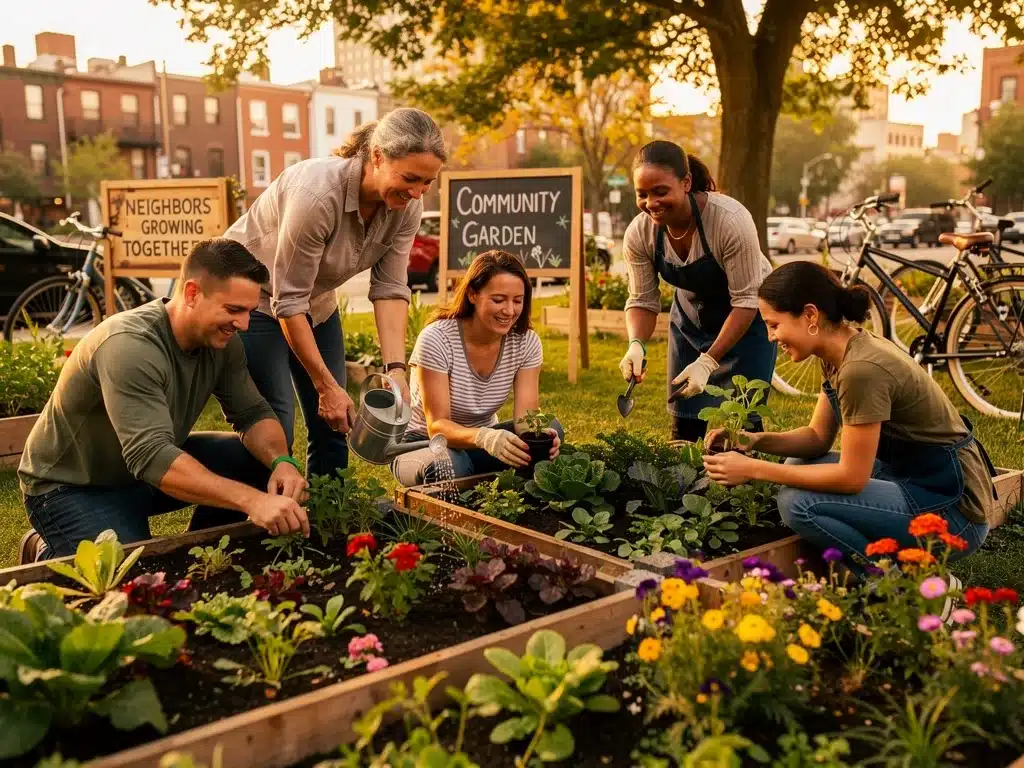
Inclusivity goes hand-in-hand with empathy. It means actively working to ensure that social spaces, events, and interactions are accessible and welcoming to everyone. This might involve considering different communication preferences, accommodating varying comfort levels with physical proximity, or ensuring that online platforms are user-friendly for all.
For example, when planning a social gathering, offering both in-person and virtual attendance options can make it more inclusive for those who prefer to engage remotely. Being mindful of language, cultural sensitivities, and differing abilities also contributes to a truly inclusive environment. An inclusive approach ensures that the benefits of social reintegration are extended to all members of society, fostering a stronger, more cohesive community.
By prioritizing empathy and inclusivity, we not only facilitate smoother social reintegration but also lay the groundwork for more compassionate and understanding societies. These values are essential for healing past divisions and building a collective future where everyone feels connected and valued.
Sustaining Positive Social Habits for the Future
The strategies for post-pandemic social reintegration are not temporary fixes but rather a framework for developing sustainable positive social habits that will serve us well into the future. As we move beyond 2026, the lessons learned from this period of intense change can be integrated into our daily lives, ensuring that we continue to foster robust connections, maintain mental well-being, and adapt effectively to whatever lies ahead. Sustaining these habits is key to long-term social health and personal fulfillment.
This involves consciously reinforcing the practices that have proven beneficial, making them an integral part of our routines and values. It’s about moving from reactive adaptation to proactive cultivation of a thriving social life, built on strong foundations of self-care, mutual respect, and community engagement. The goal is to create a resilient social ecosystem that can withstand future disruptions.
Integrating self-care into daily routines
The emphasis on mental well-being during reintegration should translate into a permanent commitment to self-care. This means integrating practices like mindfulness, regular exercise, adequate sleep, and healthy eating into daily routines, not just as a response to stress, but as a preventative measure. Self-care is the bedrock upon which sustainable social engagement is built.
- Morning rituals: Start the day with a few minutes of meditation or light stretching.
- Scheduled breaks: Take short breaks throughout the day to recharge and disconnect from screens.
- Mindful leisure: Engage in hobbies and activities that genuinely bring joy and relaxation.
By making self-care a non-negotiable part of our lives, we ensure that we have the emotional and physical energy to engage meaningfully with others and contribute positively to our communities.
Championing community engagement and advocacy
Sustaining positive social habits also involves a continued commitment to community engagement and advocacy. This means not just participating in community activities, but actively championing initiatives that support social well-being, inclusivity, and mental health. Becoming an advocate for these values helps reinforce them within the broader society and creates a ripple effect of positive change.
Whether it’s supporting local businesses, volunteering for a cause, or speaking up for marginalized groups, active community engagement strengthens the collective fabric. It transforms individual reintegration into a collective effort towards building a more compassionate and connected world. This ongoing commitment ensures that the lessons learned from the pandemic translate into lasting societal improvements.
By sustaining positive social habits, we secure not only our own well-being but also contribute to the health and resilience of our communities. This forward-looking approach ensures that the efforts made during reintegration continue to yield benefits for years to come, fostering a truly new and improved normal.
| Key Strategy | Brief Description |
|---|---|
| Mental Well-being | Prioritize self-care, manage anxiety, and seek support to build emotional resilience. |
| Rebuild Connections | Actively reconnect with others and engage in community activities to foster belonging. |
| Adapt to New Norms | Understand and respect evolving social etiquette and communication styles. |
| Leverage Technology | Utilize digital tools thoughtfully to enhance connections and community engagement. |
Frequently Asked Questions About Social Reintegration
The biggest challenge often lies in managing lingering social anxiety and varying comfort levels among individuals regarding personal space and group gatherings. Overcoming these internal and external barriers requires patience and understanding from all parties.
Start with small, low-pressure social interactions, gradually increasing your exposure. Practicing mindfulness, setting clear boundaries, and seeking professional guidance can also be highly effective in rebuilding social confidence.
Yes, hybrid work models have significantly altered workplace social dynamics. They necessitate intentional efforts to foster camaraderie through scheduled virtual interactions and purposeful in-office days to maintain strong professional and personal bonds.
Technology serves as a crucial enhancer for social connections, facilitating communication across distances and supporting online communities. It’s vital to balance digital interactions with in-person engagement for truly meaningful relationships and avoid over-reliance.
Communities can foster better reintegration by creating inclusive spaces, organizing accessible events, and promoting volunteer opportunities. Empathy, mutual respect, and support for mental health initiatives are also key to building a cohesive and welcoming environment.
Conclusion
Successfully navigating post-pandemic social reintegration in 2026 is a multifaceted journey that demands proactive engagement with our evolving social landscape. By prioritizing mental well-being, actively rebuilding and fostering community connections, and adapting to new social norms, individuals can not only overcome the challenges of recent years but also cultivate a richer, more resilient social life. The integration of thoughtful technology use, combined with an unwavering commitment to empathy and inclusivity, will pave the way for a truly transformed and connected society. This ongoing process of adaptation and growth promises a future where stronger bonds and greater collective well-being become the new normal.