Conscious Education in 2026: 6 Innovative Approaches for Early Childhood
Advertisements
The future of conscious early childhood education in 2026 is evolving through six innovative approaches that prioritize holistic development, emotional intelligence, and a deep connection to self and environment for young learners.
As we look towards 2026, the landscape of early childhood education is undergoing a profound transformation, steering towards more holistic and mindful practices. The concept of conscious early education is gaining significant traction, moving beyond traditional academic benchmarks to embrace the emotional, social, and spiritual development of young children. This shift reflects a growing understanding that true learning extends far beyond memorization, fostering resilient, empathetic, and critically thinking individuals from their earliest years.
Advertisements
The rise of emotional intelligence and mindfulness in curriculum
The integration of emotional intelligence (EQ) and mindfulness into early childhood curricula is not a fleeting trend but a fundamental recalibration of educational priorities. Recognizing that emotional regulation and self-awareness are critical precursors to academic success and overall well-being, educators are now deliberately weaving these concepts into daily learning experiences. This approach helps children understand and manage their feelings, fostering empathy and building stronger interpersonal skills from a young age.
In 2026, we see a more formalized structure around teaching these vital life skills. Programs are designed to introduce children to mindfulness exercises, such as simple breathing techniques and guided visualizations, which help them develop focus and reduce stress. These practices are not isolated activities but are integrated into various subjects, making them a natural part of the learning journey.
Cultivating inner peace through mindful practices
Mindful practices in the classroom extend beyond quiet moments; they influence how children interact with their environment and peers. By learning to be present and observant, children develop a deeper appreciation for their surroundings and a greater capacity for compassion. This foundational work in early childhood sets the stage for a lifetime of conscious living.
- Daily quiet time: Short periods of silent reflection or gentle music to center children.
- Emotion identification: Using visual aids and stories to help children name and understand different emotions.
- Compassion circles: Group activities focused on expressing gratitude and understanding others’ perspectives.
The goal is to equip children with tools that help them navigate the complexities of their inner world, preparing them not just for school, but for life. This emphasis on emotional literacy is a cornerstone of conscious education, ensuring that children grow into well-rounded individuals capable of thoughtful decision-making and genuine connection.
Personalized learning paths for diverse needs
The one-size-fits-all model of education is rapidly becoming obsolete, especially in early childhood. In 2026, conscious education embraces personalized learning paths, acknowledging that every child is a unique individual with distinct learning styles, paces, and interests. This approach moves away from rigid lesson plans, instead offering flexible frameworks that adapt to each child’s developmental stage and intrinsic curiosities.
Technology plays a supportive role in this personalization, providing educators with tools to assess individual progress and tailor activities. However, the core of personalized learning in conscious education remains human-centered, focusing on observation, responsive teaching, and fostering a deep understanding of each child’s evolving needs. This ensures that learning is engaging, relevant, and effective for every child.
Adapting curricula to individual strengths
Educators are trained to identify a child’s strengths and areas for growth, then design experiences that challenge and support them appropriately. This might involve offering a wider range of materials for exploration, allowing children to choose their activities, or providing one-on-one guidance when needed. The aim is to empower children to take ownership of their learning journey, fostering intrinsic motivation and a love for discovery.
The benefits of this approach are manifold, leading to greater engagement, reduced frustration, and a more profound understanding of concepts. When children feel seen and understood, their confidence flourishes, enabling them to tackle new challenges with enthusiasm.
- Interest-based projects: Allowing children to pursue topics they are passionate about.
- Flexible grouping: Grouping children based on current learning needs rather than age alone.
- Open-ended materials: Providing resources that can be used in multiple ways, encouraging creativity.
This commitment to individualization ensures that conscious early education is not just about what children learn, but how they learn, nurturing their innate potential in a way that respects their unique journey.
Nature-based and outdoor learning environments
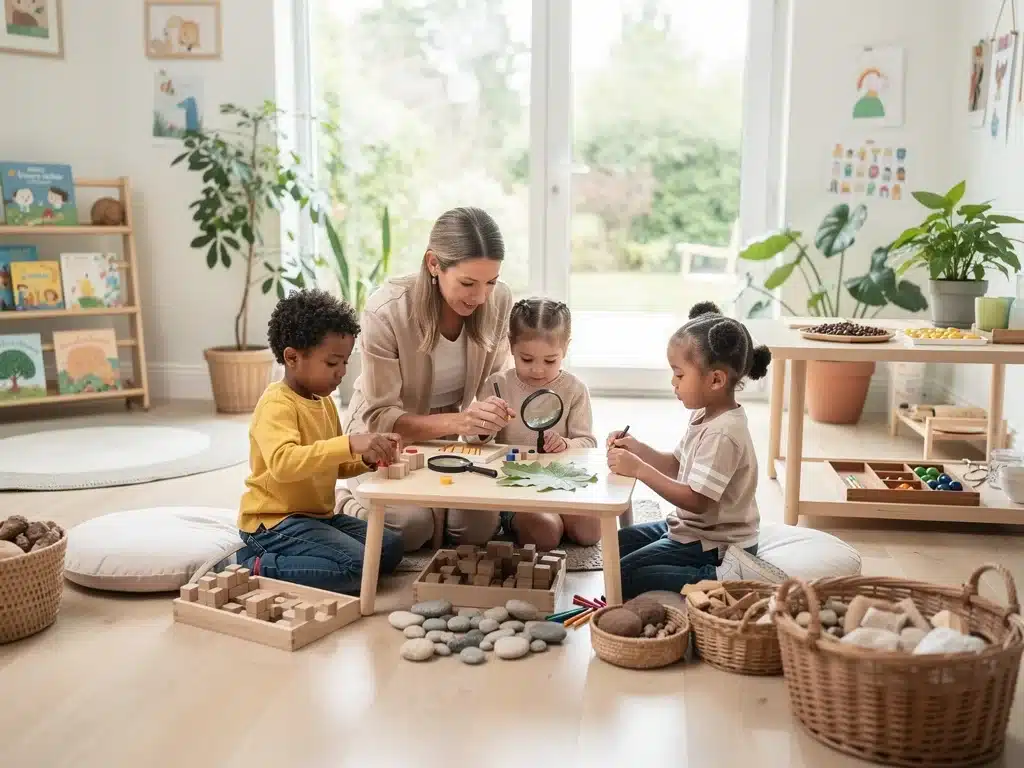
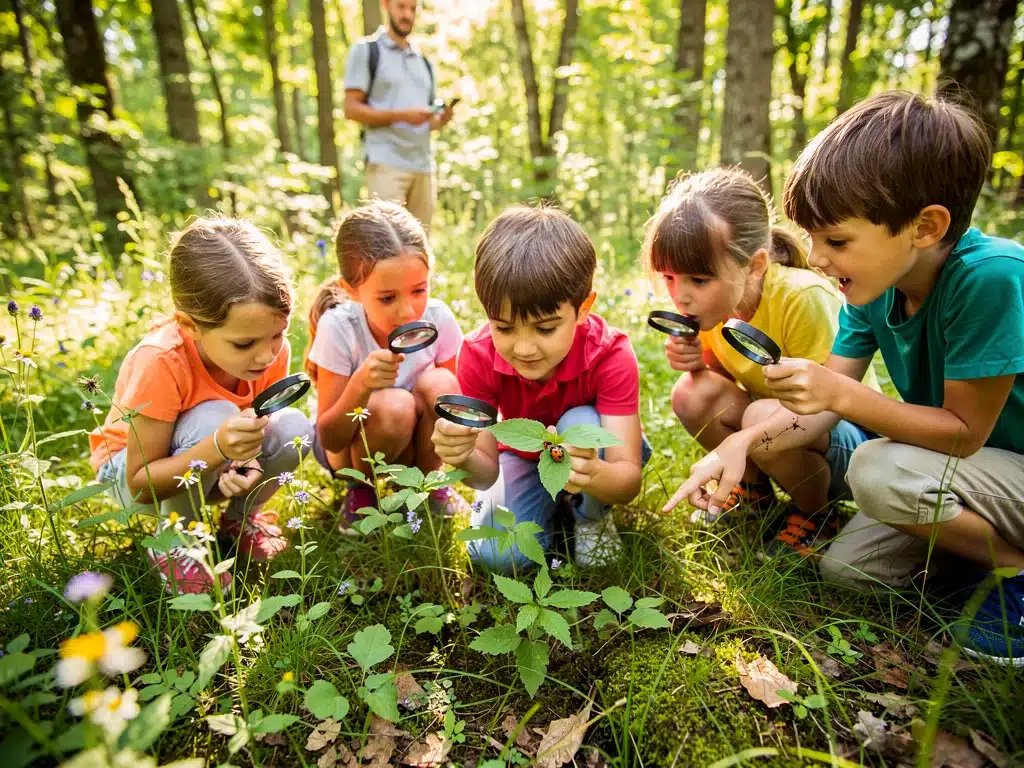
Connecting with nature is an essential component of conscious early childhood education in 2026. The shift towards nature-based and outdoor learning environments recognizes the profound benefits that direct interaction with the natural world offers for physical, cognitive, and emotional development. These environments provide rich, multi-sensory experiences that cannot be replicated indoors, fostering curiosity, resilience, and a deep respect for the environment.
Outdoor classrooms are becoming more prevalent, offering children opportunities to explore, discover, and learn through play in natural settings. This might include forest schools, garden programs, or simply extending traditional classroom activities into outdoor spaces. The emphasis is on hands-on exploration and sensory engagement, allowing children to learn through direct experience.
The pedagogical power of the natural world
Learning in nature encourages problem-solving, risk-taking, and collaboration. Children might work together to build a fort, observe insects, or plant seeds, all while developing crucial social and cognitive skills. The unpredictable nature of the outdoors also teaches adaptability and resilience, as children learn to navigate different weather conditions and natural challenges.
Furthermore, spending time in nature has been linked to reduced stress levels and improved concentration. For young children, this means a calmer, more focused learning experience, where their natural inclination to explore and discover is fully supported.
- Forest schools: Regular sessions in natural woodlands, emphasizing play and exploration.
- School gardens: Cultivating plants and understanding life cycles, fostering responsibility.
- Outdoor art: Using natural materials for creative expression.
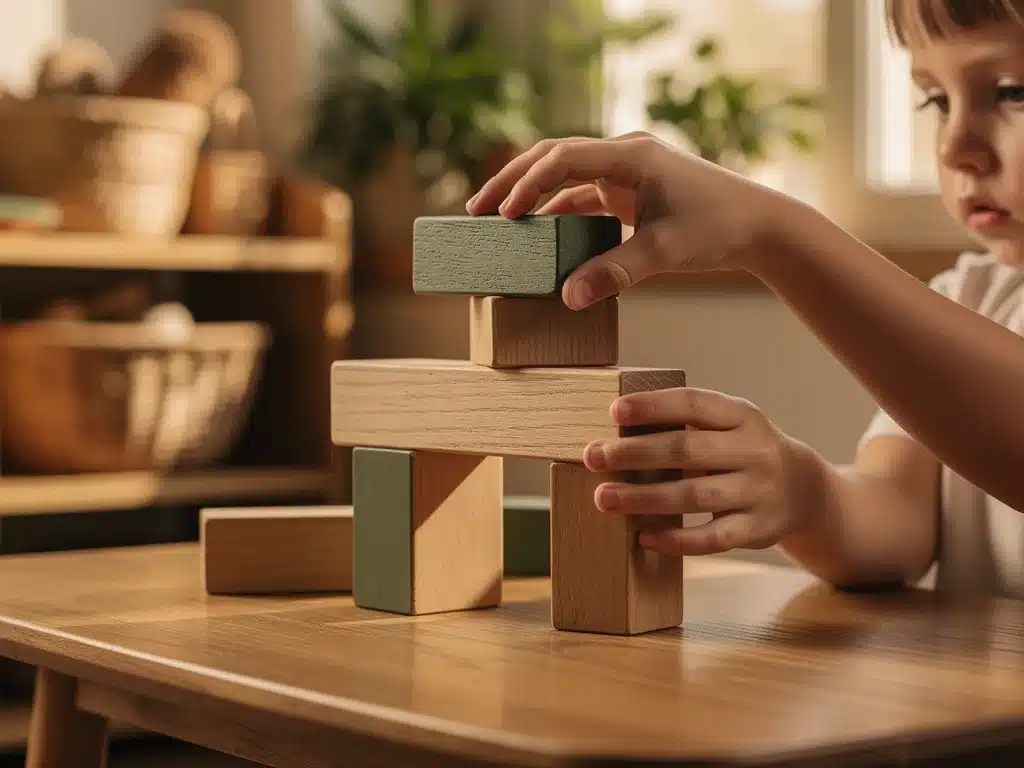
These nature-based approaches are not just about environmental education; they are about fostering a holistic connection to the world around us, nurturing a sense of wonder and responsibility that is central to conscious living.
Integrating arts and creative expression
Creative expression through arts is a cornerstone of conscious early education in 2026, recognized for its role in fostering imagination, emotional release, and cognitive development. Art, music, dance, and dramatic play provide children with unique avenues to explore their inner worlds, communicate complex emotions, and develop problem-solving skills in a non-verbal context. This integration moves beyond art as a separate subject, making it an integral part of all learning experiences.
Educators are increasingly using creative arts as a medium for learning across the curriculum. For instance, children might express their understanding of a science concept through painting or reenact a historical event through dramatic play. This approach not only makes learning more engaging but also allows for a deeper, more personal connection to the material.
Unlocking potential through artistic exploration
The freedom to create without strict rules or expectations empowers children to take risks, experiment, and develop their own unique voice. This process builds confidence and self-esteem, essential qualities for conscious learners. It also provides an outlet for emotions that might be difficult to articulate verbally, offering therapeutic benefits.
Moreover, engaging with various art forms enhances fine motor skills, spatial reasoning, and pattern recognition. Music, in particular, has been shown to improve mathematical abilities and language development, demonstrating the interconnectedness of creative and cognitive growth.
- Process-oriented art: Focusing on the experience of creating rather than the final product.
- Imaginative play zones: Areas dedicated to role-playing and storytelling.
- Musical exploration: Using instruments and movement to understand rhythm and sound.
By prioritizing arts and creative expression, conscious education nurtures the whole child, recognizing that creativity is not just a skill but a way of understanding and interacting with the world.
Emphasis on social-emotional learning (SEL)
Social-emotional learning (SEL) is not merely a desirable outcome but a foundational pillar of conscious early childhood education in 2026. SEL encompasses the processes through which children acquire and apply the knowledge, attitudes, and skills necessary to understand and manage emotions, set and achieve positive goals, feel and show empathy for others, establish and maintain positive relationships, and make responsible decisions. This holistic framework addresses the critical aspects of human development that underpin all other forms of learning.
In conscious education settings, SEL is integrated into every aspect of the school day, from morning greetings to conflict resolution. Educators are trained to model appropriate social and emotional behaviors and to create a classroom environment where children feel safe to express themselves, make mistakes, and learn from their interactions with peers and adults.
Building blocks for a compassionate community
The deliberate teaching of SEL skills helps children develop a strong sense of self and an understanding of their place within a community. They learn how to cooperate, share, negotiate, and resolve conflicts peacefully – skills that are indispensable for navigating an increasingly interconnected world. This focus on interpersonal competence fosters a compassionate and inclusive learning environment.
Furthermore, strong SEL skills are directly linked to improved academic performance, as children who can manage their emotions and relate positively to others are better able to focus, participate, and engage with complex learning tasks. It’s about building emotional resilience and social dexterity from the ground up.
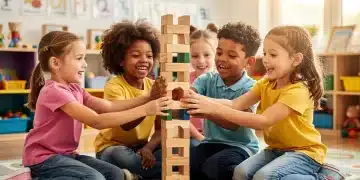
- Cooperative play: Structured activities that require teamwork and communication.
- Conflict resolution strategies: Teaching children age-appropriate methods for solving disagreements.
- Empathy-building stories: Using narratives to explore different perspectives and feelings.
The emphasis on SEL ensures that conscious education is not only about intellectual growth but also about nurturing kind, responsible, and engaged global citizens.
Technology as a tool for mindful discovery
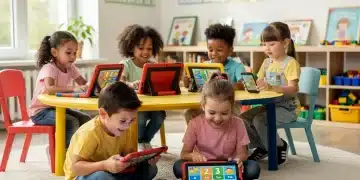
In 2026, conscious early childhood education views technology not as a distraction, but as a carefully integrated tool for mindful discovery and enhanced learning. The approach moves away from passive consumption of digital content, emphasizing interactive and purposeful use that supports developmental goals. This means selecting technology that encourages active participation, critical thinking, and creative expression, rather than merely entertaining.
Educational technology is being designed to be responsive, adaptive, and aligned with holistic learning principles. For instance, apps that promote mindfulness, coding games that develop problem-solving skills, or virtual reality experiences that allow children to explore distant places are favored over purely recreational screen time. The key is to leverage technology’s potential to deepen understanding and broaden horizons in a conscious manner.
Curating digital experiences for optimal growth
Educators in conscious settings are highly selective about the digital tools introduced to young children. The focus is on quality over quantity, ensuring that screen time is meaningful, supervised, and balanced with ample opportunities for unplugged play and social interaction. This careful curation helps children develop a healthy relationship with technology from an early age, viewing it as a valuable resource rather than an all-consuming presence.
Furthermore, technology can facilitate personalized learning by providing adaptive challenges and instant feedback, allowing children to progress at their own pace. It can also connect children with diverse cultures and perspectives, fostering a global mindset and empathy.
- Interactive learning apps: Tools that encourage problem-solving and critical thinking.
- Digital storytelling: Using technology to create and share narratives.
- Virtual field trips: Exploring different environments and cultures virtually.
By thoughtfully integrating technology, conscious early education prepares children for a digital future while safeguarding their emotional and developmental well-being, ensuring that innovation serves the child’s holistic growth.
| Key Approach | Brief Description |
|---|---|
| Emotional Intelligence | Integrating mindfulness and emotional regulation into daily curriculum for holistic development. |
| Personalized Learning | Tailoring educational paths to individual learning styles and paces, fostering intrinsic motivation. |
| Nature-Based Learning | Utilizing outdoor environments for hands-on exploration and sensory engagement, fostering connection to nature. |
| Creative Expression | Integrating arts, music, dance, and dramatic play to foster imagination and emotional release. |
Frequently Asked Questions about Conscious Education
Conscious early education is a holistic approach focusing on a child’s complete development, including emotional, social, cognitive, and physical aspects. It emphasizes mindfulness, empathy, and personalized learning experiences, moving beyond traditional academic metrics to nurture well-rounded individuals from a young age.
Traditional schooling often prioritizes academic achievement and standardized testing. Conscious education, however, integrates emotional intelligence, social-emotional learning, and personalized paths, fostering intrinsic motivation, self-awareness, and a deep connection to learning and the environment. It’s about ‘how’ children learn as much as ‘what’.
In conscious education, technology is a carefully chosen tool for mindful discovery, not passive consumption. It’s used to enhance learning through interactive apps, coding games, and virtual experiences that support developmental goals, critical thinking, and creative expression, always balanced with unplugged activities.
Absolutely. Nature-based learning environments, such as forest schools and outdoor classrooms, offer profound benefits. They enhance physical development, foster curiosity, encourage problem-solving, and build resilience. Direct interaction with nature also helps reduce stress and improves concentration, providing a rich, multi-sensory learning experience.
Parents can support conscious education by encouraging open communication about emotions, practicing mindfulness together, fostering a love for nature through outdoor activities, and promoting creative play. Limiting screen time and choosing educational content also aligns with conscious learning principles, reinforcing holistic development.
Conclusion
The trajectory of early childhood learning is clearly shifting towards a more profound, holistic, and empathetic model. The six innovative approaches discussed – from nurturing emotional intelligence and personalized learning to embracing nature, fostering creativity, emphasizing social-emotional skills, and integrating technology mindfully – collectively paint a picture of a future where education is deeply connected to the human experience. As we advance towards 2026, conscious early education is poised to equip the youngest generation with not just academic knowledge, but also the self-awareness, resilience, and compassion necessary to navigate a complex world and contribute positively to society. This transformative vision promises to cultivate individuals who are not only intelligent but also profoundly connected to themselves, others, and the world around them, setting a robust foundation for a lifetime of growth and conscious living.