Community Resilience: 7 Strategies for U.S. Climate Adaptability
Advertisements
Building community climate resilience is paramount for U.S. regions facing changing environmental conditions, requiring strategic planning and collaborative action to ensure long-term adaptability and well-being.
The imperative for community climate resilience in the United States has never been more pressing. As environmental patterns shift, from more intense storms to prolonged droughts, communities nationwide are seeking practical solutions to adapt and thrive.
Advertisements
Understanding the Need for Community Climate Resilience
The U.S. climate is undergoing significant transformation, presenting unprecedented challenges to communities across the nation. From coastal cities grappling with rising sea levels to agricultural regions facing extreme heat and water scarcity, the impacts are diverse and far-reaching. Building resilience isn’t just about reacting to disasters; it’s about proactively strengthening the social, economic, and physical fabric of a community to withstand and recover from these changes.
This proactive approach involves a deep understanding of local vulnerabilities and assets. It requires engaging residents, local businesses, and government entities in a shared vision for a more secure future. Without a comprehensive strategy, communities risk significant disruptions to their infrastructure, economies, and overall quality of life. The goal is to move beyond mere survival to a state of sustained well-being and growth, even in the face of environmental adversity.
Defining Community Resilience in a Changing Climate
Community resilience, in the context of climate change, refers to the ability of a community to anticipate, prepare for, respond to, and recover from the impacts of climate-related hazards. This encompasses not only physical infrastructure but also the social networks, economic stability, and governance structures that underpin a community’s capacity to adapt.
- Anticipation: Using climate science and risk assessments to foresee potential future impacts.
- Preparation: Developing plans, policies, and resources to mitigate risks and enhance adaptive capacity.
- Response: Mobilizing effectively during and immediately after a climate event.
- Recovery: Restoring and rebuilding in a way that reduces future vulnerabilities and fosters long-term sustainability.
Ultimately, a resilient community is one that can not only bounce back from adversity but also transform and evolve in response to ongoing environmental shifts, ensuring its continued vitality for generations to come.
Strategy 1: Enhancing Infrastructure for Climate Impacts
A fundamental pillar of community resilience involves fortifying and adapting physical infrastructure to withstand the increasing intensity and frequency of climate-related events. This goes beyond simply repairing damage; it means building smarter, stronger, and more sustainably from the outset. Investing in resilient infrastructure protects lives, reduces economic losses, and ensures essential services remain operational during crises.
Traditional infrastructure, often designed for past climate conditions, is proving inadequate for current and future challenges. Therefore, a paradigm shift is necessary, moving towards designs and materials that can endure extreme weather, sea-level rise, and other climate impacts. This includes both grey infrastructure (roads, bridges, utilities) and green infrastructure (natural systems that provide benefits).
Investing in Green Infrastructure Solutions
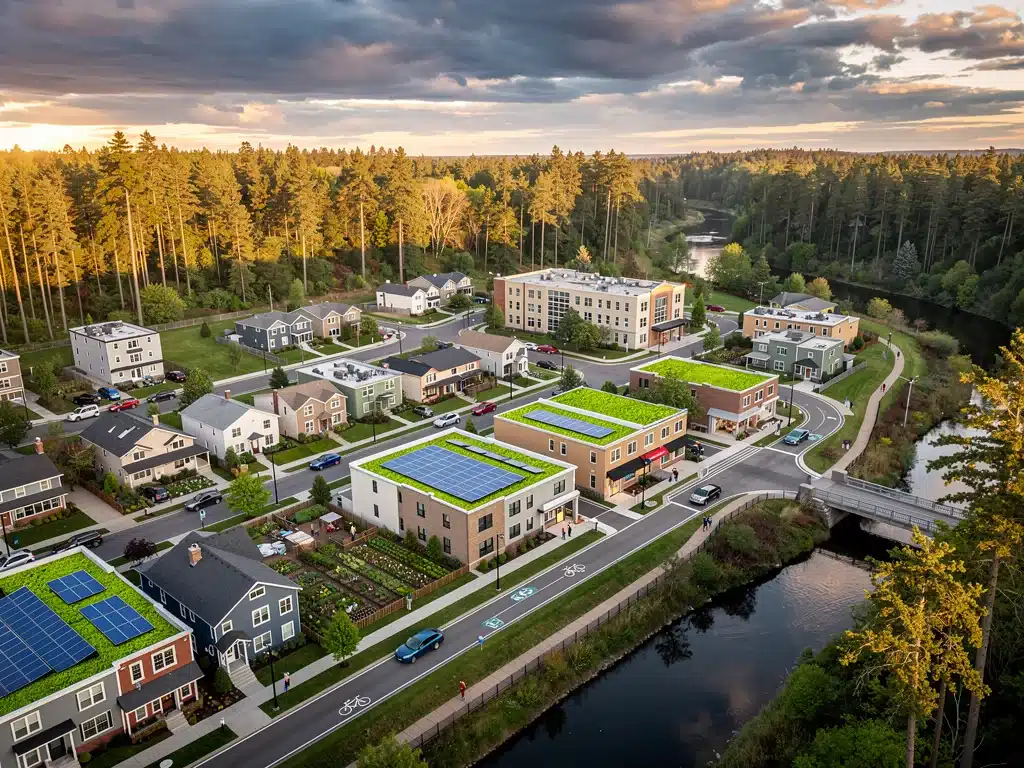
Green infrastructure leverages natural systems to manage stormwater, reduce urban heat, and protect against coastal erosion. These solutions are often more cost-effective and provide multiple co-benefits compared to conventional engineering approaches.
- Rain Gardens and Bioswales: Absorb and filter stormwater, reducing runoff and preventing localized flooding.
- Permeable Pavements: Allow water to infiltrate the ground, replenishing groundwater and decreasing surface runoff.
- Urban Forests and Green Roofs: Cool urban areas, improve air quality, and manage stormwater while enhancing biodiversity.
By integrating green infrastructure into urban planning, communities can create more livable, sustainable, and resilient environments. These natural systems work in harmony with existing infrastructure, providing a layered defense against climate impacts.
Modernizing Critical Utility Systems
Ensuring the uninterrupted operation of critical utilities like power, water, and communication systems is vital for resilience. Climate events often expose vulnerabilities in these networks, leading to widespread disruptions.
Modernization efforts include burying power lines to protect them from high winds, elevating critical equipment in flood-prone areas, and decentralizing energy grids with microgrids and renewable sources. Water systems can be made more resilient through diversification of water sources, improved leak detection, and enhanced treatment facilities capable of handling varying water quality. Investing in these upgrades is an upfront cost that pays dividends by preventing costly outages and accelerating recovery after disasters.
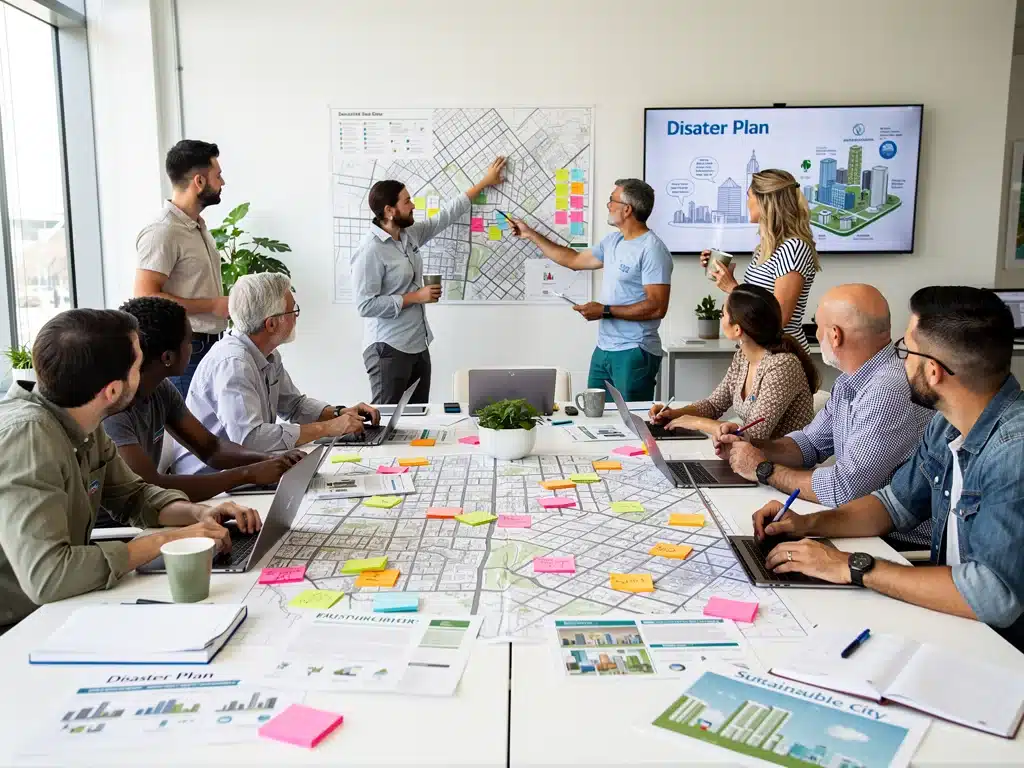

Rebuilding after a climate event offers a critical opportunity to implement these enhanced infrastructure standards, ensuring that communities are not just restored but are made stronger and more resistant to future impacts. This long-term perspective is essential for sustainable resilience.
Strategy 2: Developing Robust Emergency Preparedness and Response
Effective emergency preparedness and response are cornerstones of community resilience, particularly in the face of escalating climate threats. This strategy focuses on proactive planning, clear communication, and efficient coordination to protect residents and assets when disaster strikes. It involves a multi-faceted approach that considers all stages of an emergency, from early warning to immediate post-event actions.
A well-prepared community minimizes loss of life, reduces injuries, and speeds up the recovery process. This requires not only governmental planning but also active participation and awareness from every resident. Drills, training, and accessible information are crucial components to ensure that everyone knows their role and what to do when an emergency arises.
Comprehensive Evacuation and Shelter Plans
Developing clear, accessible, and well-rehearsed evacuation routes and shelter plans is paramount. These plans must consider the specific vulnerabilities of a community, such as areas prone to flooding, populations with special needs, and traffic congestion points.
- Clear Exit Routes: Identifying and maintaining multiple evacuation pathways, ensuring they are well-marked and communicated.
- Accessible Shelters: Establishing safe, accessible shelters with adequate capacity, supplies, and provisions for diverse populations.
- Pre-Registration: Implementing systems for vulnerable individuals to pre-register for assistance, ensuring they receive timely support during an evacuation.
Regular drills and public awareness campaigns are vital to ensure that residents are familiar with these plans and can act quickly and safely when an emergency is declared. The effectiveness of an evacuation hinges on both the robustness of the plan and the community’s readiness to execute it.
Establishing Early Warning Systems and Communication Protocols
Timely and accurate information is critical during a climate emergency. Robust early warning systems can provide residents with precious time to prepare and evacuate, saving lives and reducing property damage. These systems must be integrated and reach all segments of the population.
This includes leveraging various communication channels, from traditional media and emergency alerts to social media and community-based networks. Protocols must be in place to ensure information is clear, consistent, and translated into multiple languages where necessary. Feedback mechanisms can also help improve the effectiveness of these systems over time, ensuring they meet the evolving needs of the community.
Strategy 3: Fostering Social Cohesion and Community Networks
Beyond physical infrastructure, the strength of a community’s social fabric plays a critical role in its ability to withstand and recover from climate impacts. Strong social cohesion and robust community networks ensure that residents can support one another, share resources, and collectively respond to challenges. This strategy focuses on building trust, fostering relationships, and empowering local leaders and groups.
When neighbors know and trust each other, they are more likely to check in on the vulnerable, share information, and collaborate on recovery efforts. This informal network often acts as the first line of defense, providing immediate assistance before official aid can arrive. Investing in social capital is therefore an investment in overall resilience.
Building Neighborhood-Level Support Systems
Encouraging and facilitating the creation of neighborhood-level support systems can significantly enhance local resilience. These informal networks can coordinate mutual aid, share supplies, and provide emotional support during and after a crisis.
- Neighbor-to-Neighbor Programs: Initiatives that connect residents, particularly those who are elderly, disabled, or isolated, with local volunteers for assistance.
- Community Hubs: Designating and equipping local centers (e.g., schools, community halls) as gathering points and resource distribution sites during emergencies.
- Skill-Sharing Workshops: Organizing workshops where residents can learn practical skills like first aid, emergency communication, or basic home repairs.
These initiatives not only provide practical support but also strengthen the sense of belonging and collective responsibility within a neighborhood, making it more resilient to external shocks.
Empowering Local Leaders and Community Organizations
Local leaders and community organizations often have deep roots and trust within their communities, making them invaluable assets in resilience efforts. Empowering these groups with resources, training, and decision-making authority can significantly amplify resilience initiatives.
This involves providing funding for community-led projects, offering training in disaster preparedness and response, and integrating these organizations into official emergency management plans. By leveraging their local knowledge and networks, communities can ensure that resilience strategies are culturally appropriate, effectively communicated, and genuinely responsive to local needs.
Strategy 4: Integrating Climate Data into Local Planning
Effective climate resilience demands that decisions are informed by the best available scientific data and projections. Integrating climate data into all facets of local planning—from zoning and infrastructure development to public health initiatives—enables communities to make forward-looking choices that reduce future vulnerabilities. This strategy moves beyond historical averages and embraces predictive modeling to anticipate future conditions.
Without this data-driven approach, planning can be reactive and insufficient, leading to costly retrofits or repeated damages. By understanding projected changes in temperature, precipitation, sea level, and extreme weather events, communities can design and implement solutions that are truly fit for the future. This ensures that resources are allocated efficiently and effectively, maximizing the impact of resilience investments.
Utilizing Climate Risk Assessments
Comprehensive climate risk assessments are essential for identifying specific vulnerabilities within a community. These assessments evaluate potential hazards, exposure of assets and populations, and the existing adaptive capacity.
- Hazard Mapping: Pinpointing areas susceptible to specific climate threats like flooding, wildfires, or heat islands.
- Vulnerability Analysis: Identifying populations and critical infrastructure most at risk.
- Economic Impact Projections: Estimating the potential financial costs of climate impacts on local industries and property values.
The results of these assessments provide a crucial foundation for developing targeted resilience strategies, allowing planners to prioritize interventions where they are most needed and will have the greatest impact.
Revising Zoning Laws and Building Codes
Current zoning laws and building codes may not adequately account for future climate risks. Revising these regulations is a proactive step to ensure that new developments are built to higher standards of resilience and that existing structures are retrofitted where possible.
This could include establishing stricter floodplain regulations, requiring elevated construction in coastal zones, mandating green building standards that promote energy efficiency and water conservation, and encouraging the use of heat-resistant materials in urban areas. Such revisions help to prevent future losses and steer development away from high-risk areas, fostering safer and more sustainable growth.
Strategy 5: Promoting Economic Diversification and Local Food Security
A resilient community is one with a diversified economy and robust local food systems that can withstand shocks. Climate change can severely impact traditional industries, disrupt supply chains, and threaten food production. This strategy focuses on reducing economic reliance on a narrow set of sectors and fostering local self-sufficiency in essential resources, particularly food.
Economic diversification creates new job opportunities and buffers against industry-specific downturns, while local food security ensures residents have access to nutritious food even when regional or national supply chains are compromised. These efforts contribute to both the immediate well-being and the long-term stability of a community.
Supporting Green Businesses and Industries
Investing in green businesses and industries not only helps combat climate change but also creates new economic opportunities that are inherently more resilient. These sectors often focus on renewable energy, sustainable agriculture, waste reduction, and eco-tourism.
- Incentivizing Renewable Energy: Offering tax breaks or grants for solar, wind, and geothermal energy projects that create local jobs.
- Promoting Sustainable Agriculture: Supporting farms that use climate-smart practices, reduce water usage, and enhance soil health.
- Developing Eco-Tourism: Creating economic opportunities around natural attractions while promoting environmental conservation.
By fostering a green economy, communities can build a more sustainable and adaptable financial base that is less vulnerable to the vagaries of climate-sensitive traditional industries.
Strengthening Local Food Systems
Reliance on distant, complex food supply chains makes communities vulnerable to disruptions caused by extreme weather events or other climate impacts. Strengthening local food systems enhances food security and reduces this vulnerability.
This involves supporting local farms, encouraging community gardens, establishing farmers’ markets, and building local food processing and distribution networks. Educational programs can also promote home gardening and food preservation techniques. A robust local food system ensures that residents have access to fresh, healthy food, even during emergencies, and strengthens the local economy by keeping food dollars within the community.
Strategy 6: Investing in Education and Public Awareness
Perhaps one of the most crucial, yet often overlooked, strategies for building community climate resilience is investing in education and public awareness. An informed and engaged populace is better equipped to understand climate risks, adopt adaptive behaviors, and support policy changes that enhance resilience. This strategy aims to empower individuals with knowledge and skills, transforming passive residents into active participants in climate action.
Climate change can feel abstract and overwhelming, leading to inaction. Effective education breaks down complex scientific concepts into understandable terms, highlights local impacts, and presents tangible solutions. It fosters a sense of collective responsibility and empowers individuals to contribute to community-wide resilience efforts. This includes formal education in schools and informal public outreach campaigns.
Developing Climate Literacy Programs
Implementing comprehensive climate literacy programs in schools and for the general public can significantly increase understanding of climate change and its local implications. These programs should be tailored to different age groups and educational levels.
- K-12 Curriculum Integration: Incorporating climate science and resilience topics into school curricula, from elementary to high school.
- Adult Education Workshops: Offering community workshops on topics like home energy efficiency, water conservation, and emergency preparedness.
- Public Information Campaigns: Using local media, social media, and community events to disseminate clear and actionable information about climate risks and resilience strategies.
By building a foundation of climate literacy, communities can foster a more informed citizenry capable of making resilient decisions in their daily lives and advocating for broader systemic changes.
Promoting Household and Individual Preparedness
While community-level planning is essential, individual and household preparedness forms the bedrock of overall resilience. Educating residents on how to prepare their homes and families for climate-related emergencies is a vital component of this strategy.
This includes guidance on creating emergency kits, developing family communication plans, understanding evacuation routes, and making homes more resilient through measures like floodproofing or wildfire mitigation. Providing accessible resources and encouraging participation in preparedness drills can empower individuals to take proactive steps, reducing their vulnerability and easing the burden on community response efforts when disaster strikes.
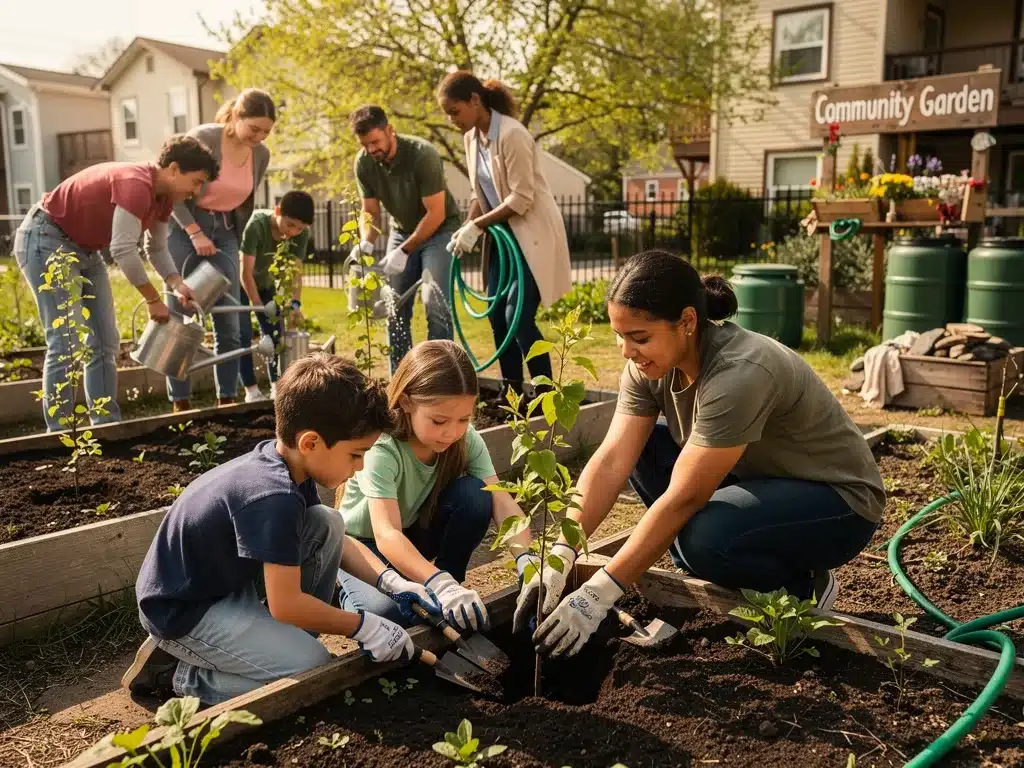

An educated community is a resilient community. When individuals understand the risks and know how to act, they become powerful agents of change and contribute significantly to collective adaptation efforts.
Strategy 7: Advancing Equitable Resilience Planning
Climate change disproportionately affects vulnerable populations, exacerbating existing inequalities. Advancing equitable resilience planning means intentionally designing and implementing strategies that prioritize the needs of these groups, ensuring that all residents benefit from resilience efforts and that no one is left behind. This strategy recognizes that true community resilience cannot exist without equity.
Historically marginalized communities often face greater exposure to environmental hazards, have fewer resources to adapt, and experience slower recovery times. Equitable planning seeks to rectify these disparities by engaging these communities directly in the planning process, understanding their unique challenges, and allocating resources fairly. It’s about ensuring that resilience isn’t just for some, but for everyone.
Engaging Vulnerable Populations in Planning
Meaningful engagement with vulnerable populations is critical for developing effective and equitable resilience plans. This involves going beyond traditional public meetings to meet communities where they are, using culturally appropriate communication methods, and compensating participants for their time and expertise.
- Community-Led Assessments: Supporting residents in identifying their own vulnerabilities and preferred solutions.
- Language Access: Providing materials and interpreters in multiple languages to ensure broad participation.
- Inclusive Decision-Making: Ensuring that representatives from vulnerable groups have a seat at the decision-making table.
By centering the voices and experiences of those most impacted, resilience plans become more relevant, effective, and just, leading to better outcomes for the entire community.
Ensuring Fair Distribution of Resources and Benefits
Equitable resilience planning requires a commitment to the fair distribution of resources, investments, and the benefits of resilience initiatives. This means actively addressing historical injustices and ensuring that solutions do not inadvertently create new disparities.
For example, green infrastructure projects should be implemented in underserved neighborhoods, not just affluent ones. Financial assistance for home retrofits or disaster recovery should be easily accessible to low-income residents. Policies should be designed to prevent displacement as communities become more resilient and desirable. A conscious effort to allocate resources based on need, rather than political influence or existing wealth, is essential for building truly equitable and lasting resilience.
| Strategy Focus | Brief Description |
|---|---|
| Resilient Infrastructure | Adapting physical and green infrastructure to withstand increasing climate impacts, reducing damage and service disruptions. |
| Emergency Preparedness | Developing robust plans, communication systems, and community readiness for climate-related emergencies. |
| Social Cohesion | Strengthening community networks and local support systems to enhance collective response and recovery. |
| Equitable Planning | Prioritizing vulnerable populations in resilience efforts, ensuring fair resource distribution and inclusive decision-making. |
Frequently Asked Questions about Community Climate Resilience
For average citizens, community climate resilience means living in a place that is safer and better prepared for environmental shifts like extreme weather. It ensures that essential services remain functional, neighborhoods support each other, and local infrastructure can withstand future impacts, ultimately protecting homes, livelihoods, and well-being.
Local governments can fund resilience projects through various avenues, including federal grants (e.g., FEMA, HUD), state programs, municipal bonds, public-private partnerships, and dedicated local taxes or fees. Innovative financing mechanisms like green bonds and resilience impact bonds are also emerging as viable options.
Individuals play a crucial role by preparing their households with emergency kits, participating in local preparedness drills, joining neighborhood watch programs, and advocating for resilient policies. Their active involvement strengthens social networks and contributes to a collective capacity to respond and recover from climate events.
Green infrastructure, like rain gardens and urban forests, uses natural systems to manage stormwater runoff, reduce urban heat, and enhance biodiversity. These solutions often provide multiple benefits, such as improved air quality and recreational spaces, while effectively mitigating climate impacts more sustainably than traditional grey infrastructure.
Equitable planning is essential because climate change disproportionately affects vulnerable and marginalized communities. By prioritizing their needs, ensuring their participation in decision-making, and fairly distributing resources, equitable planning ensures that resilience benefits everyone, preventing the exacerbation of existing social inequalities.
Conclusion
Building community climate resilience across the United States is not merely an option, but an urgent necessity. The strategies outlined—from enhancing infrastructure and emergency preparedness to fostering social cohesion, integrating data, diversifying economies, promoting education, and advancing equitable planning—collectively form a comprehensive roadmap for adaptation. By embracing these practical solutions, communities can transform vulnerabilities into strengths, ensuring their ability to thrive in a changing U.S. climate. This endeavor requires sustained commitment, collaborative action, and a forward-thinking vision from all stakeholders, ultimately safeguarding the well-being and prosperity of future generations.