Sustainable Tech for Babies: 5 Eco-Friendly Gadgets for a Greener Nursery
Advertisements
Sustainable tech for babies is revolutionizing nurseries in 2026, offering eco-friendly gadgets that prioritize both child well-being and environmental responsibility, allowing parents to create greener spaces with innovative solutions.
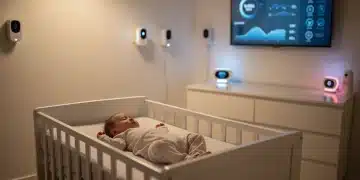
As parents navigate the exciting yet challenging journey of raising children, the desire to provide the best for their little ones often extends to fostering a healthier planet for them to inherit. In 2026, the intersection of technology and environmental consciousness has given rise to innovative solutions for the nursery. This article delves into the transformative world of sustainable tech for babies, exploring five eco-friendly gadgets poised to create a greener nursery and a brighter future.
Advertisements
The Rise of Eco-Conscious Parenting and Smart Nurseries
The landscape of parenting is continually evolving, with a significant shift towards more environmentally conscious choices. Modern parents, particularly those in the United States, are increasingly seeking products that not only ensure their child’s safety and comfort but also align with their values of sustainability. This growing demand has fueled innovation in the baby product industry, leading to the development of smart nursery solutions that are both technologically advanced and eco-friendly.
This trend isn’t merely about buying ‘green’ products; it’s about integrating sustainable practices into daily life, starting from the earliest stages of a child’s development. From materials sourcing to energy consumption, every aspect is being re-evaluated through an environmental lens. The convergence of smart technology with this eco-conscious mindset offers unprecedented opportunities to create nurseries that are not only efficient and convenient but also significantly reduce their ecological footprint.
Understanding this paradigm shift is crucial for anyone looking to equip a nursery in 2026. The focus is no longer solely on convenience or luxury, but on a blend of functionality, safety, and environmental responsibility. Parents are becoming savvier about product lifecycles, material composition, and the overall impact of their choices on both their child’s immediate environment and the broader world.
Smart Air Purifiers with Sustainable Filters
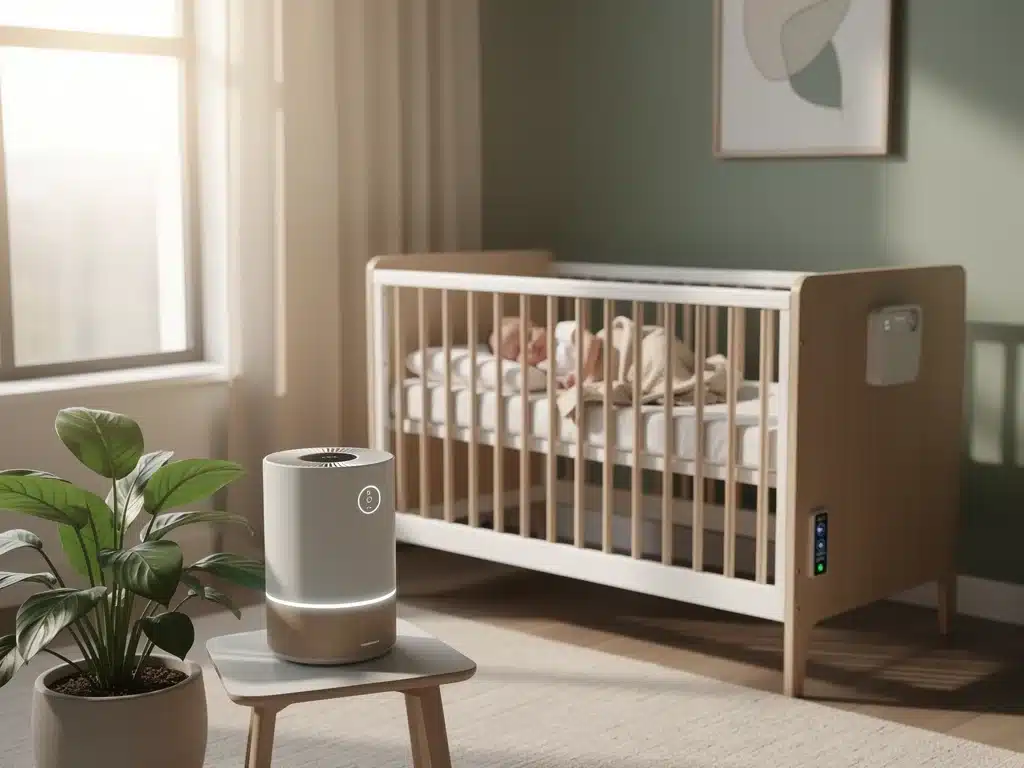
One of the foundational elements of a healthy nursery is pristine air quality. Babies are particularly vulnerable to airborne pollutants, making air purification a critical consideration for many parents. In 2026, smart air purifiers have evolved beyond simple filtration, incorporating sustainable design and operational principles.
These next-generation purifiers utilize advanced sensor technology to monitor air quality in real-time, automatically adjusting their filtration intensity. What sets them apart in the sustainable tech landscape are their filters. Instead of relying on disposable, non-recyclable filters, these devices employ long-lasting, washable, or biodegradable alternatives. Some even feature filters made from plant-based materials or recycled plastics, significantly reducing waste.
Advanced Filtration and Energy Efficiency
- Biodegradable Filters: Many new models come with filters designed to decompose naturally at the end of their lifespan, minimizing landfill impact.
- Washable & Reusable Filters: Certain purifiers now include multi-stage filtration systems where primary filters can be washed and reused, extending their life and reducing replacement frequency.
- Low Energy Consumption: Smart algorithms optimize power usage, ensuring the purifier only operates at necessary levels, further conserving energy.
Beyond their eco-friendly filters, these smart purifiers often integrate with home automation systems, allowing parents to control and monitor air quality remotely via smartphone apps. This connectivity not only offers convenience but also provides valuable data on the nursery’s air environment, empowering parents to make informed decisions for their child’s health. The goal is to create an indoor environment that is as pure and natural as possible, without contributing to environmental degradation. By investing in these sustainable air purifiers, parents are making a tangible commitment to their child’s respiratory health and the planet’s well-being.
Eco-Friendly Smart Cribs and Sleep Systems
Sleep is paramount for infant development, and smart cribs have been at the forefront of nursery innovation for years. However, the 2026 iteration introduces a strong emphasis on sustainability, transforming these high-tech sleeping solutions into truly eco-conscious choices. These new smart cribs are designed with longevity, material integrity, and energy efficiency in mind.
Many sustainable smart cribs are constructed from responsibly sourced, certified wood, such as FSC-certified timber, or innovative recycled materials. The finishes are non-toxic, free from VOCs (volatile organic compounds), ensuring a safe breathing environment for the baby. Beyond materials, these cribs often feature modular designs that allow them to adapt as the child grows, converting from an infant crib to a toddler bed and even a daybed, significantly extending their lifespan and reducing the need for multiple furniture purchases.
Innovations in Sustainable Sleep Technology
- Convertible Designs: Multi-stage cribs that transform to grow with your child, reducing waste and providing long-term value.
- Organic & Hypoallergenic Mattresses: Paired with eco-friendly cribs, these mattresses are made from natural latex, organic cotton, or wool, offering superior comfort without harmful chemicals.
- Smart Features with Low Environmental Impact: Integrated sound machines, gentle motion sensors, and climate controls are powered by energy-efficient mechanisms, often with rechargeable batteries or low-power consumption designs.
These smart cribs also incorporate features like gentle rocking motions, white noise generators, and integrated night lights, all controllable via an app. The key difference in 2026 is that these features are engineered for minimal energy draw and maximum durability. Some even incorporate solar charging capabilities for integrated components, pushing the boundaries of truly off-grid nursery tech. The focus is on creating a restful and secure sleep environment that is as kind to the Earth as it is to the baby.
Reusable Smart Diaper Systems
Diapers represent a significant portion of landfill waste globally, making them a prime target for sustainable innovation. Traditional disposable diapers take hundreds of years to decompose, contributing immensely to environmental pollution. Reusable smart diaper systems are emerging as a revolutionary solution, blending the convenience of modern tech with the ecological benefits of reusable products.
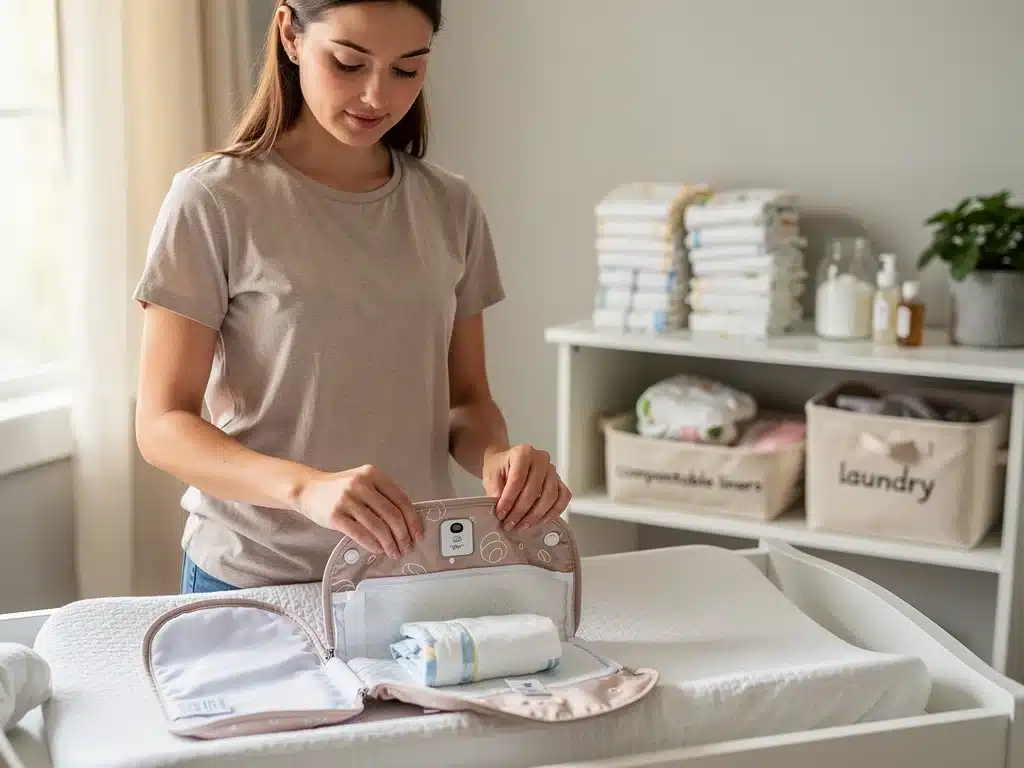
These systems typically consist of washable, durable outer covers made from organic cotton or recycled fabrics, paired with biodegradable or compostable inserts. The ‘smart’ aspect comes from integrated sensors that can detect wetness and notify parents via a smartphone app when a change is needed. This not only reduces the guesswork, minimizing diaper rash, but also optimizes the use of inserts, preventing premature changes and further reducing waste.
Redefining Diapering with Technology and Sustainability
- Biodegradable Inserts: Designed to break down quickly and safely in composting facilities or even home composts, depending on local regulations.
- Sensor Technology: Alerts parents when a diaper is wet, ensuring timely changes and more efficient use of inserts.
- Washable Covers: Made from sustainable, breathable fabrics that are gentle on baby’s skin and can be reused hundreds of times.
The initial investment in a reusable smart diaper system might be higher than traditional disposables, but the long-term savings, both financially and environmentally, are substantial. Parents can choose from various styles and absorbency levels, tailoring the system to their baby’s needs. Furthermore, the reduction in waste sent to landfills is immense, making this one of the most impactful sustainable tech choices for a greener nursery. This innovative approach to diapering empowers parents to significantly lower their household’s ecological footprint without sacrificing convenience or hygiene.
Connected Feeding Systems with Eco-Friendly Components
Feeding time is a cornerstone of infant care, and sustainable tech is now extending its reach to bottles, formula dispensers, and breast pumps. Connected feeding systems in 2026 are designed to minimize waste, optimize nutrition, and ensure the safety of feeding practices through eco-conscious materials and smart functionalities.
These systems often feature bottles made from durable, medical-grade silicone or glass, eliminating the need for single-use plastics. Smart formula dispensers can precisely measure and mix formula, reducing spills and waste, and are often constructed from recycled or recyclable materials. For breastfeeding mothers, smart breast pumps now offer quiet, efficient operation with rechargeable batteries and components made from sustainable, BPA-free materials.
Innovations in Sustainable Baby Feeding
- Smart Bottle Sterilizers: Energy-efficient sterilizers that use minimal water and power, often with auto-shutoff features.
- Connected Formula Dispensers: Programmed to dispense precise amounts, minimizing waste and ensuring consistent nutrition.
- Sustainable Breast Pumps: Designed with durable, non-toxic materials and long-lasting rechargeable batteries, reducing electronic waste.
Beyond the physical products, many of these systems integrate with apps that track feeding schedules, milk intake, and formula consumption, providing valuable insights for parents and pediatricians. This data-driven approach helps optimize feeding patterns, reducing over-preparation and associated waste. The emphasis on durable, reusable, and recyclable components ensures that these feeding solutions are not only practical but also align with a zero-waste philosophy. By choosing these connected, eco-friendly feeding systems, parents can nurture their babies responsibly while actively contributing to a healthier planet.
Smart Nursery Monitors with Recycled Materials and Low Emissions
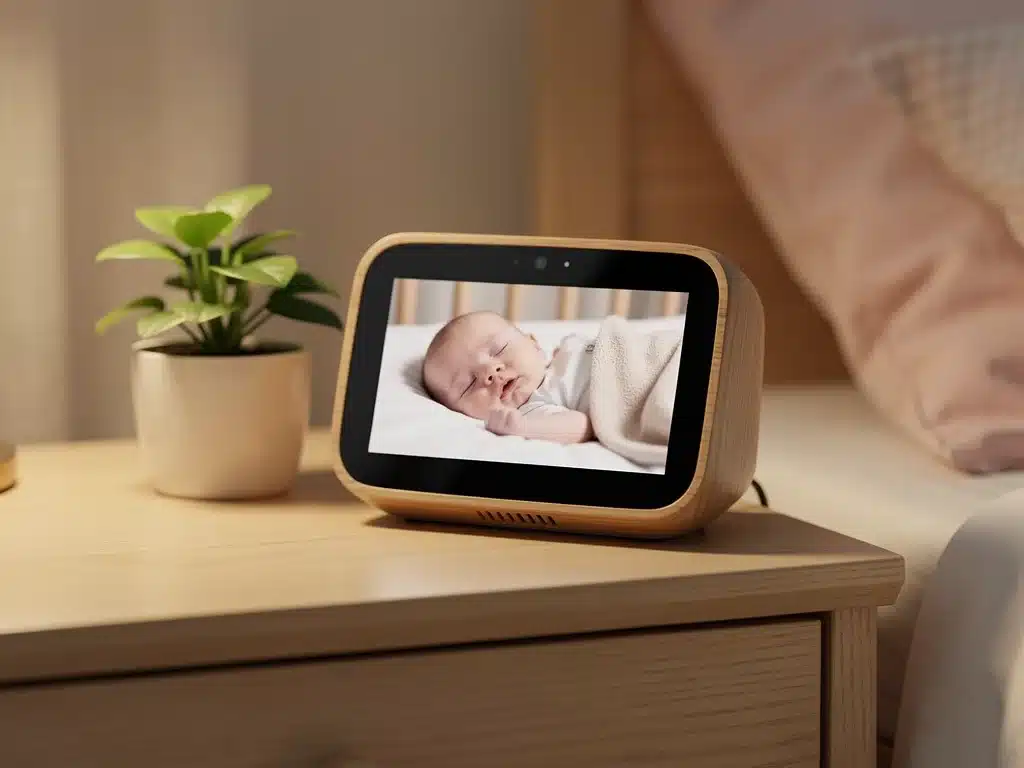
Baby monitors are essential for peace of mind, allowing parents to keep an eye and ear on their little ones from afar. The latest generation of smart nursery monitors in 2026 takes this essential gadget a step further by integrating sustainable practices into their design and operation. These monitors are built with a commitment to reducing electronic waste and minimizing environmental impact.
Many new smart monitors are constructed using a significant percentage of recycled plastics or bio-based polymers, reducing reliance on virgin materials. The packaging is often minimalistic and made from recycled cardboard, printed with soy-based inks. Furthermore, these devices are engineered for energy efficiency, utilizing low-power wireless protocols and long-lasting rechargeable batteries, thereby reducing electricity consumption and the frequency of battery replacement.
Key Sustainable Features in Smart Monitors
- Recycled & Bio-Based Materials: Casings and components are increasingly made from post-consumer recycled plastics or plant-derived polymers.
- Low Electromagnetic Field (EMF) Emissions: Designed to operate with minimal radiation, ensuring a safer environment for infants.
- Energy-Efficient Operation: Smart power management systems and long-lasting batteries reduce energy consumption and the need for frequent charging.
Beyond their eco-credentials, these monitors offer advanced features such as high-definition video, two-way audio, temperature and humidity sensors, and even sleep tracking. Connectivity to smart home ecosystems allows for seamless integration and remote monitoring. The focus on low EMF emissions is also a significant selling point for health-conscious parents. By choosing a smart nursery monitor built with recycled materials and designed for energy efficiency, parents can ensure their baby’s safety while upholding their commitment to environmental stewardship. This demonstrates that advanced technology and sustainability can indeed go hand-in-hand.
The Future of Sustainable Baby Tech: Beyond 2026
The innovations in sustainable tech for babies discussed are just the beginning. As we look beyond 2026, the trajectory for eco-friendly nursery gadgets points towards even greater integration of circular economy principles. This means products designed for disassembly, easy repair, and complete recycling at the end of their useful life. The emphasis will shift further from simply using sustainable materials to creating entire product ecosystems that minimize waste and maximize resource efficiency.
Expect to see more modular designs where individual components can be upgraded or replaced rather than discarding the entire device. Subscription models for baby tech, where products are leased and then refurbished for reuse, could also become prevalent. Furthermore, advancements in bio-manufacturing and cradle-to-cradle design will lead to materials that are not only biodegradable but actively enrich the environment upon decomposition. The drive for carbon neutrality in manufacturing processes will also become a standard, pushing companies to adopt renewable energy sources and ethical supply chains.
The increasing consumer awareness and regulatory pressures will continue to accelerate these developments. Parents will have access to even more sophisticated tools that provide unparalleled insight into their baby’s well-being while leaving an almost negligible environmental footprint. The future nursery will be a testament to how technology can be harnessed not just for convenience, but as a powerful force for good, fostering healthy children and a healthy planet simultaneously.
| Key Sustainable Tech | Environmental Benefit |
|---|---|
| Smart Air Purifiers | Reduce waste with washable/biodegradable filters; optimize energy use. |
| Eco-Friendly Smart Cribs | Made from sustainable wood/recycled materials; convertible designs extend lifespan. |
| Reusable Smart Diaper Systems | Significantly reduce landfill waste with washable covers and biodegradable inserts. |
| Smart Nursery Monitors | Utilize recycled materials; designed for energy efficiency and lower EMF emissions. |
Frequently Asked Questions About Sustainable Baby Tech
A baby tech product is considered sustainable if it minimizes environmental impact throughout its lifecycle. This includes using recycled or renewable materials, being energy-efficient, having a long lifespan through modular or convertible designs, and being recyclable or biodegradable at the end of its use. Ethical manufacturing practices also play a crucial role.
Initially, some sustainable baby tech products might have a higher upfront cost due to specialized materials and manufacturing processes. However, their long-term value often outweighs this. Features like durability, reusability (e.g., washable filters, convertible cribs), and energy efficiency lead to significant savings over time, making them a wise investment.
Smart reusable diaper systems combine washable outer covers with biodegradable or compostable inserts. Integrated sensors detect wetness and send notifications to a parent’s smartphone, indicating when a change is needed. This reduces waste by optimizing insert usage and provides convenience similar to disposable diapers, but with environmental benefits.
Eco-friendly smart cribs offer numerous benefits, including being made from sustainably sourced, non-toxic materials. Many feature convertible designs that adapt as your child grows, extending their utility and reducing furniture waste. They also integrate energy-efficient smart features like gentle rocking and sound, creating a safe and sustainable sleep environment.
Reliable information can be found from certified eco-labeling organizations, reputable parenting blogs focusing on sustainability, and reviews from other eco-conscious parents. Always check for certifications like FSC for wood, GOTS for organic textiles, and look for transparent brand communication regarding materials, manufacturing, and end-of-life options for products.
Conclusion
The journey towards a greener nursery in 2026 is an exciting testament to how technological advancement and environmental responsibility can coalesce. The innovative gadgets discussed – from smart air purifiers with sustainable filters to eco-friendly smart cribs, reusable diaper systems, connected feeding solutions, and sustainable nursery monitors – represent a significant leap forward. They offer parents in the United States not just convenience and peace of mind, but also a tangible way to reduce their ecological footprint and instill sustainable values from day one. By embracing these advancements, we are not only nurturing our children in healthier environments but also actively contributing to a more sustainable and promising future for generations to come. The choice to integrate sustainable tech into baby care is a powerful one, reflecting a deeper commitment to both family well-being and planetary health.