Workplace Mental Wellness: 6 Emerging Support Models for U.S. Companies

Advertisements
The landscape of employee well-being is undergoing a profound transformation, with workplace mental wellness models emerging as a critical focus for U.S. companies by 2026. As businesses recognize the undeniable link between mental health and productivity, engagement, and retention, the demand for innovative, comprehensive support systems has never been higher.
Advertisements
The Evolving Landscape of Mental Wellness in the Workplace
The traditional approach to mental health in the workplace, often limited to Employee Assistance Programs (EAPs), is rapidly becoming insufficient in addressing the complex and diverse needs of today’s workforce. The COVID-19 pandemic amplified existing mental health challenges, pushing organizations to rethink their strategies and invest in more robust, proactive, and integrated solutions. This shift is not merely a trend but a fundamental re-evaluation of how companies foster a supportive and healthy environment.
Forward-thinking U.S. companies are now moving towards models that are preventative, culturally sensitive, and deeply embedded within the organizational structure rather than being an external, reactive service. This evolution acknowledges that mental well-being is not just an individual responsibility but a shared corporate priority that impacts overall success and resilience.
Beyond Traditional EAPs: A New Paradigm
While EAPs remain a component of many benefits packages, their limitations in reach, utilization, and scope have become apparent. Many employees either remain unaware of EAP services or are hesitant to use them due to stigma or perceived lack of confidentiality. The new paradigm seeks to overcome these barriers by offering a broader spectrum of support.
- Accessibility Challenges: EAPs often struggle with low utilization rates, indicating a gap between availability and actual employee engagement.
- Stigma Reduction: A core goal of emerging models is to destigmatize mental health discussions, making it easier for employees to seek help without fear of judgment.
- Proactive vs. Reactive: Shifting from crisis intervention to preventative measures that build resilience and foster a positive mental health culture.
The focus is now on creating an ecosystem of support that is easily accessible, diverse in its offerings, and tailored to the unique stressors and demographics of the workforce. This requires a holistic view that considers not only clinical support but also factors like work-life balance, psychological safety, and leadership training.
Integrated Mental Health Platforms
One of the most significant emerging support models involves the integration of comprehensive mental health platforms directly into company benefits and wellness programs. These platforms leverage technology to provide a wide array of resources, from telehealth therapy and coaching to mindfulness exercises and digital self-help tools, all accessible through a single, user-friendly interface.
These platforms often go beyond basic EAP offerings by providing more personalized experiences, matching employees with therapists or coaches based on their specific needs and preferences. They also frequently incorporate data analytics to track engagement and identify areas where additional support might be needed, allowing companies to refine their strategies over time.
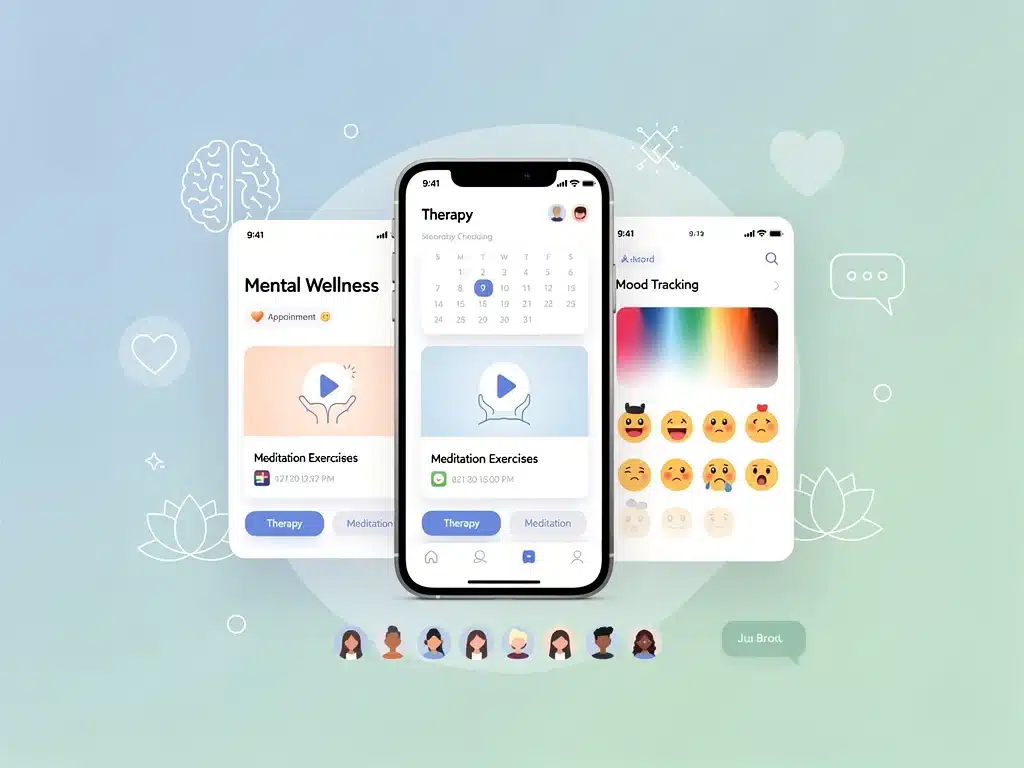
The convenience and anonymity offered by digital platforms significantly reduce barriers to access, making it easier for employees to seek help on their own terms. This approach ensures that support is not only available but also actively utilized, leading to better outcomes for individuals and the organization as a whole.
Key Features of Integrated Platforms
- Telehealth Services: On-demand access to licensed therapists and counselors via video calls, chat, or phone.
- Personalized Coaching: Matching employees with mental health coaches for goal-oriented support and skill development.
- Digital Tools and Resources: Mindfulness apps, stress reduction programs, cognitive behavioral therapy (CBT) exercises, and educational content.
- Anonymity and Confidentiality: Ensuring employees feel safe and secure in accessing sensitive mental health services.
These platforms represent a significant leap forward in making mental health support a seamless and integral part of the employee experience. By consolidating resources and personalizing the approach, companies can foster a culture where seeking help is viewed as a strength, not a weakness.
Proactive Well-being and Resilience Training
Moving beyond reactive crisis intervention, U.S. companies are increasingly investing in proactive well-being and resilience training programs. These initiatives aim to equip employees with the tools and strategies necessary to manage stress, build emotional intelligence, and maintain mental well-being before issues escalate. This preventative approach recognizes that a resilient workforce is better equipped to navigate challenges and maintain productivity.
Such training often includes workshops on stress management, mindfulness, emotional regulation, and communication skills. These programs are not one-off events but ongoing initiatives designed to foster a continuous culture of self-care and mutual support. The goal is to empower employees to take an active role in their mental health journey, promoting a sense of agency and control.
Building a Culture of Resilience
Resilience training is not just about individual coping mechanisms; it’s about creating an organizational culture that supports and encourages these practices. This involves leadership buy-in, peer support, and a commitment to creating a psychologically safe environment where open conversations about mental health are normalized.
- Stress Management Workshops: Practical techniques for identifying stressors and developing healthy coping strategies.
- Mindfulness and Meditation: Programs to enhance focus, reduce anxiety, and promote emotional balance.
- Emotional Intelligence Development: Training to improve self-awareness, empathy, and interpersonal skills.
- Work-Life Integration Strategies: Helping employees establish healthy boundaries and achieve a sustainable balance between professional and personal life.
By proactively investing in these areas, companies are not only safeguarding their employees’ mental health but also building a more robust, adaptable, and engaged workforce. This forward-thinking approach yields long-term benefits in terms of reduced absenteeism, improved performance, and a more positive work environment.
Leadership Training for Mental Health Support
Effective mental wellness initiatives require strong leadership. A significant emerging model involves training managers and supervisors to recognize signs of mental distress, engage in supportive conversations, and effectively direct employees to appropriate resources. This moves beyond traditional management training by equipping leaders with the empathy and knowledge needed to foster a mentally healthy team environment.
Leaders are often the first point of contact for employees experiencing difficulties, yet many lack the specific training to handle such sensitive situations. This model addresses that gap, transforming managers into frontline mental health advocates who can provide initial support and guidance, reducing the burden on HR and specialized mental health professionals.
Empowering Managers as Mental Health Allies
The role of a manager extends beyond performance metrics; it encompasses the holistic well-being of their team members. Training programs for leaders focus on developing crucial skills for empathetic communication and proactive intervention, without expecting managers to become therapists themselves.
- Recognizing Warning Signs: Educating leaders on common indicators of mental health challenges.
- Active Listening and Empathy: Developing skills to listen non-judgmentally and respond with compassion.
- Resource Navigation: Training on how to effectively refer employees to internal and external mental health services.
- Creating a Safe Space: Encouraging leaders to foster an environment where employees feel comfortable discussing mental health concerns.
By empowering leaders with these skills, companies create a more supportive and responsive workplace culture. This direct, human-centered approach significantly contributes to the overall effectiveness of mental wellness programs, ensuring that support is accessible and culturally integrated at all levels of the organization.
Peer Support Networks and Employee Resource Groups (ERGs)
Recognizing the power of shared experience, many U.S. companies are fostering peer support networks and strengthening Employee Resource Groups (ERGs) with a specific focus on mental wellness. These informal structures provide employees with a safe space to connect with colleagues who may be facing similar challenges, offering mutual support, understanding, and shared coping strategies.
Peer support can be incredibly effective because it comes from a place of lived experience, often reducing the stigma associated with seeking help. ERGs dedicated to mental health can also advocate for policy changes, organize awareness campaigns, and provide a collective voice for employees’ well-being needs, thereby shaping a more inclusive and supportive corporate culture.

These networks complement professional mental health services by building a community of care within the workplace. They are particularly valuable for diverse employee populations, offering culturally relevant support and fostering a sense of belonging that is crucial for mental well-being.
The Strength of Collective Support
- Shared Experiences: Providing a platform for employees to connect with others who understand their struggles.
- Reduced Isolation: Combating feelings of loneliness and alienation that can exacerbate mental health issues.
- Advocacy and Awareness: ERGs can champion mental health initiatives and reduce stigma through education and open dialogue.
- Informal Mentorship: Offering guidance and practical advice from colleagues who have navigated similar situations.
By cultivating these internal support systems, companies are leveraging the inherent strength of their workforce to create a more compassionate and understanding environment. This model reinforces the idea that mental health is a communal responsibility, benefiting from collective empathy and shared solutions.
Flexible Work Arrangements and Work-Life Balance Initiatives
A critical, yet often overlooked, aspect of workplace mental wellness involves the implementation of flexible work arrangements and robust work-life balance initiatives. The rigid 9-to-5, in-office model is increasingly being replaced by approaches that prioritize employee autonomy, flexibility, and the ability to integrate personal and professional lives more harmoniously. This recognition stems from the understanding that chronic stress and burnout are often direct results of demanding work schedules and a lack of personal time.
Companies are now offering options such as remote work, hybrid schedules, compressed workweeks, and flexible hours to give employees greater control over their time and work environment. Beyond flexible scheduling, initiatives like unlimited PTO, mental health days, and policies that discourage after-hours communication are becoming more prevalent, signaling a genuine commitment to employee well-being beyond just clinical support.
Designing Work for Well-being
The shift towards flexible work is not just about convenience; it’s about fundamentally redesigning how work is done to support mental health. It acknowledges that employees have diverse needs and responsibilities outside of work, and accommodating these can significantly reduce stress and improve overall job satisfaction.
- Remote and Hybrid Models: Offering options for working from home or combining in-office and remote days, reducing commuting stress and providing greater autonomy.
- Flexible Hours: Allowing employees to adjust their start and end times to better suit personal commitments and energy levels.
- Mental Health Days: Providing dedicated time off specifically for mental well-being, separate from traditional sick leave.
- Policies on Disconnecting: Encouraging or mandating periods where employees are not expected to respond to work communications, promoting true downtime.
These initiatives demonstrate a deep understanding that mental wellness is intrinsically linked to how work is structured and managed. By empowering employees with greater flexibility and prioritizing work-life balance, companies are creating environments where individuals can thrive both professionally and personally, leading to a more engaged and healthier workforce.
Data-Driven Mental Health Strategy and Measurement
To ensure the effectiveness and continuous improvement of mental wellness initiatives, U.S. companies are increasingly adopting data-driven strategies for measuring and evaluating their impact. This involves collecting and analyzing anonymized data related to employee well-being, engagement, and utilization of mental health resources to identify trends, pinpoint areas for improvement, and demonstrate ROI.
Beyond simple satisfaction surveys, this model incorporates advanced analytics to understand the specific stressors affecting different employee demographics, the effectiveness of various interventions, and the overall mental health climate of the organization. This allows companies to move from guesswork to evidence-based decision-making, ensuring that resources are allocated effectively and programs are tailored to meet actual needs.
Leveraging Analytics for Impact
Data-driven approaches provide invaluable insights into the efficacy of mental health programs and help justify continued investment. By measuring key metrics, organizations can clearly articulate the value of their wellness initiatives to stakeholders and make strategic adjustments.
- Anonymous Surveys and Assessments: Gathering feedback on stress levels, work-life balance, and perception of support.
- Utilization Rates: Tracking engagement with EAPs, integrated platforms, and other mental health resources.
- Absenteeism and Presenteeism Data: Analyzing patterns to identify potential links to mental health challenges.
- Employee Retention and Productivity Metrics: Correlating mental wellness initiatives with broader business outcomes.
This systematic approach to mental health strategy ensures that initiatives are not only well-intentioned but also demonstrably effective. By continuously monitoring and adapting their programs based on data, companies can build a truly responsive and impactful mental wellness framework that evolves with the needs of their workforce.
| Key Model | Brief Description |
|---|---|
| Integrated Platforms | Technology-driven access to diverse mental health resources like telehealth and coaching. |
| Proactive Training | Programs to build employee resilience, manage stress, and enhance emotional intelligence. |
| Leadership Support | Training managers to recognize distress, offer support, and refer to appropriate resources. |
| Flexible Work | Arrangements that promote work-life balance, reducing burnout and enhancing well-being. |
Frequently Asked Questions About Workplace Mental Wellness
Traditional EAPs often suffer from low utilization rates due to stigma, lack of awareness, and limited scope, primarily focusing on reactive crisis intervention rather than proactive and integrated support for ongoing mental well-being. Emerging models offer broader, more accessible, and preventative solutions.
Technology is central to new models, enabling integrated mental health platforms that offer telehealth, digital self-help tools, and personalized coaching. These platforms enhance accessibility, provide anonymity, and allow for data-driven customization of resources, making support more convenient and effective for employees.
Leaders can best support mental health by receiving training to recognize signs of distress, engage in empathetic conversations, and effectively refer employees to appropriate resources. By fostering a psychologically safe environment, managers become crucial frontline advocates for their team’s well-being.
Peer support networks and ERGs provide safe spaces for employees to connect, share experiences, and offer mutual understanding. They reduce isolation, combat stigma, and build a sense of community, complementing professional services with invaluable lived experience and collective advocacy.
Work-life balance is crucial because chronic stress and burnout often stem from demanding schedules and insufficient personal time. Flexible work arrangements, mental health days, and policies that encourage disconnecting allow employees greater autonomy, reduce stress, and promote overall well-being, leading to a healthier workforce.
Conclusion
The evolution of workplace mental wellness models in U.S. companies by 2026 reflects a fundamental shift towards more holistic, proactive, and integrated approaches to employee well-being. From advanced digital platforms and resilience training to empowered leadership, peer support, flexible work, and data-driven strategies, organizations are recognizing that investing in mental health is not merely a benefit but a strategic imperative. These emerging models foster a culture of care, reduce stigma, and ultimately contribute to a more engaged, productive, and resilient workforce, marking a new era where mental wellness is an undeniable cornerstone of corporate success.