Modern Parenthood: 4 Family Structures in the U.S. for 2026
Advertisements
Modern family structures in the U.S. for 2026 showcase a dynamic shift from traditional norms, embracing diverse forms of parenthood including single-parent, blended, same-sex, and co-parenting arrangements, reflecting contemporary societal evolution.
The concept of family is far from static. In the United States, we are witnessing a profound evolution in how families are formed and function. The shifting landscape of parenthood, particularly the emergence of diverse modern family structures, is redefining societal norms and expectations for 2026 and beyond.
Advertisements
Understanding the Evolution of Family Dynamics
The traditional nuclear family, once the predominant model, has given way to a rich tapestry of family configurations. This evolution is driven by various factors, including changing social attitudes, economic pressures, advancements in reproductive technologies, and a greater acceptance of diverse lifestyles. Understanding these dynamics is crucial for comprehending the broader societal shifts occurring across the nation.
As we move further into the 21st century, the definition of family continues to expand, reflecting a society that values inclusivity and individual choice. These modern family structures are not just alternative arrangements; they are fully functional, loving environments that provide nurture and stability, often challenging outdated perceptions of what constitutes a ‘family unit’.
Societal Influences on Family Formation
Several societal forces are actively reshaping how families are formed. Economic stability, educational attainment, and cultural shifts all play significant roles. For instance, the rising cost of living often influences decisions about marriage and childbearing, leading some individuals to delay parenthood or seek alternative family models that offer more financial flexibility or shared responsibilities.
- Economic Pressures: High housing costs and childcare expenses contribute to delayed parenthood and alternative living arrangements.
- Changing Gender Roles: Increased female participation in the workforce and evolving perceptions of masculinity and femininity impact caregiving and household division of labor.
- Technological Advancements: Reproductive technologies like IVF and surrogacy open new pathways to parenthood for individuals and couples who might otherwise face biological barriers.
- Cultural Acceptance: Growing societal acceptance of diverse identities and relationships fosters environments where non-traditional family structures can thrive openly and without stigma.
The interplay of these factors creates a complex yet fascinating picture of contemporary American families. Recognizing these influences helps us appreciate the resilience and adaptability inherent in modern family structures, which are continually evolving to meet the needs of their members in a rapidly changing world.
Single-Parent Households: Strength and Resilience
Single-parent households have long been a significant part of the American family landscape, and their prevalence continues to be a defining feature of modern family structures in 2026. These families are often headed by women, though the number of single fathers is also on the rise. They embody immense strength and resilience, navigating the complexities of raising children while often balancing work, finances, and personal well-being independently.
The challenges faced by single-parent families can be substantial, ranging from financial strain to social stigma. However, these families also demonstrate incredible resourcefulness and build strong, supportive networks. Children in single-parent homes often develop a unique sense of independence and responsibility, contributing significantly to household tasks and emotional support.
Support Systems for Single Parents
Effective support systems are crucial for the well-being of single-parent households. These can include extended family, friends, community organizations, and government programs. The availability of affordable childcare, flexible work arrangements, and accessible mental health resources are particularly vital for single parents striving to provide stable environments for their children.
- Community Programs: Local charities and non-profits offer resources like food assistance, after-school care, and parenting workshops.
- Government Initiatives: Programs such as Temporary Assistance for Needy Families (TANF) and the Earned Income Tax Credit (EITC) provide financial relief.
- Informal Networks: Friends, neighbors, and extended family members often provide invaluable emotional and practical support, from babysitting to sharing household duties.
- Online Communities: Digital platforms offer spaces for single parents to connect, share experiences, and access advice, fostering a sense of belonging and reducing isolation.
The narrative surrounding single-parent families is shifting from one of deficit to one of strength and capability. Policies and societal attitudes are increasingly recognizing the unique contributions and needs of these families, working towards creating more equitable and supportive environments. This acknowledgment is vital for fostering healthy development for children and parents alike, ensuring that single-parent households are not merely surviving but thriving within the broader spectrum of modern family structures.
Blended Families: Weaving New Bonds
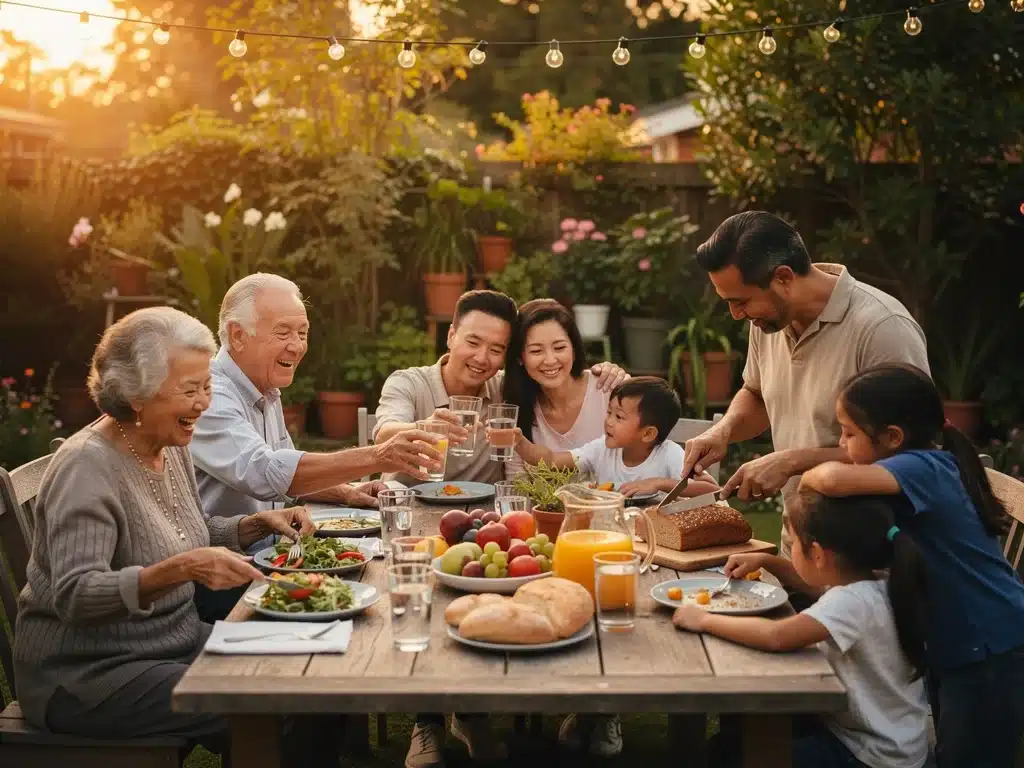
Blended families, often formed through remarriage or re-partnering, are another prominent example of evolving modern family structures. These families bring together children from previous relationships, creating unique dynamics and requiring significant adaptation from all members. The process of blending families can be complex, involving the integration of different parenting styles, traditions, and emotional histories.
Despite the initial challenges, blended families offer rich opportunities for growth, expanded support networks, and new forms of love. Children gain additional siblings and adult figures, while parents navigate the intricate process of forming a cohesive unit. Successful blended families often emphasize open communication, mutual respect, and patience as key ingredients for harmony.
Navigating Dynamics in Blended Households
One of the primary challenges in blended families is establishing new roles and boundaries. Children may struggle with loyalty issues or adjusting to new routines, while stepparents work to define their place within the family unit. Effective communication between all parents, both biological and step, is paramount for creating a stable and nurturing environment.
- Open Communication: Encouraging all family members to express their feelings and concerns fosters understanding and trust.
- Respecting Previous Bonds: Acknowledging and respecting children’s relationships with their biological parents is crucial for their emotional well-being.
- Creating New Traditions: Developing shared family activities and rituals helps to build a sense of unity and belonging for everyone.
- Patience and Flexibility: Blending takes time; patience and a willingness to adapt are essential for a successful integration.
The success of a blended family is not measured by the absence of challenges, but by the ability to navigate them with love and understanding. These families exemplify the human capacity for adaptation and resilience, demonstrating that love can indeed create a new, expansive definition of family. As societal norms continue to shift, blended families will undoubtedly remain a cornerstone of modern family structures, reflecting the intricate ways in which individuals and children find belonging and support.
Same-Sex Parent Families: Expanding Definitions of Love
Same-sex parent families represent a significant and increasingly recognized component of modern family structures in the U.S. for 2026. These families, formed through adoption, surrogacy, or previous heterosexual relationships, highlight that love, commitment, and effective parenting are not defined by gender or sexual orientation. Research consistently shows that children raised by same-sex parents thrive just as well as those raised by heterosexual parents, exhibiting similar levels of adjustment, development, and well-being.
The journey to parenthood for same-sex couples often involves unique legal and social hurdles. However, increasing legal recognition of same-sex marriage and adoption rights has paved the way for more couples to form families openly. This shift not only benefits same-sex parents and their children but also broadens society’s understanding of what constitutes a loving and stable family unit.
Challenges and Triumphs for Same-Sex Parents
While societal acceptance is growing, same-sex parent families may still encounter prejudice or lack of understanding. Children might face questions from peers or school staff, and parents may need to advocate for their family’s recognition and rights. Despite these challenges, many same-sex parent families report strong resilience and a deep commitment to fostering an inclusive and supportive home environment.
- Legal Advocacy: Navigating adoption laws, surrogacy agreements, and parental rights can be complex, often requiring legal expertise.
- Social Acceptance: While improving, some communities may still harbor biases, requiring parents to educate and advocate for their families.
- Building Support Networks: Connecting with other LGBTQ+ parent families provides invaluable community, shared experiences, and mutual support.
- Fostering Resilience in Children: Teaching children to be proud of their family and to respond to curiosity or prejudice with confidence and understanding.
The rise of same-sex parent families enriches the fabric of American society, demonstrating the boundless nature of familial love and commitment. Their experiences contribute to a more inclusive understanding of parenthood, reinforcing the idea that diverse family forms are equally capable of raising well-adjusted, happy children. This expansion of definitions is a vital aspect of the ongoing evolution of modern family structures.
Co-Parenting Arrangements: Shared Responsibilities Beyond Relationships
Co-parenting, a model where parents who are not in a romantic relationship collaborate to raise their children, is another increasingly common and evolving form of modern family structures. This can occur after divorce or separation, or intentionally by individuals who choose to have children together without being a couple. Effective co-parenting prioritizes the children’s well-being above all else, requiring clear communication, mutual respect, and a shared commitment to parenting responsibilities.
The success of a co-parenting arrangement hinges on the ability of both parents to set aside personal differences and focus on their shared role as parents. This often involves creating detailed parenting plans that outline schedules, financial responsibilities, decision-making processes, and communication protocols. When executed effectively, co-parenting can provide children with consistent love and support from both parents, even if those parents live in different households.
Strategies for Effective Co-Parenting
Successful co-parenting requires a significant degree of emotional maturity and a willingness to compromise. Establishing boundaries, maintaining respectful communication, and presenting a united front to children are crucial. Parents must also adapt as children grow, adjusting the co-parenting plan to meet evolving needs and developmental stages.
- Clear Communication: Utilizing tools like shared calendars and communication apps to keep both parents informed and aligned on children’s activities and needs.
- Consistent Rules: Establishing similar rules and expectations in both households helps children feel secure and minimizes confusion.
- Respectful Boundaries: Keeping co-parenting discussions focused solely on the children and avoiding bringing up past relational issues.
- Prioritizing Children’s Needs: Always putting the children’s emotional and physical well-being at the forefront of all decisions and interactions.
Co-parenting represents a progressive approach to raising children in circumstances where parents are not a couple. It underscores the belief that a child’s access to both parents is vital for their development, regardless of the parents’ romantic status. As such, co-parenting arrangements continue to be a vital and growing part of the diverse modern family structures, offering flexibility and stability for countless children across the U.S.
The Future of Parenthood: Adaptability and Inclusivity
Looking ahead to 2026 and beyond, the future of parenthood in the U.S. is characterized by an increasing emphasis on adaptability, inclusivity, and individualized approaches to family life. The traditional notion of a single, uniform family model is becoming increasingly obsolete, replaced by a recognition that families come in myriad forms, each with its unique strengths and challenges. This shift reflects a deeper societal understanding that the quality of family life is determined by love, support, and commitment, rather than by a specific structure.
Technological advancements, evolving legal frameworks, and changing social norms will continue to shape these dynamics. We can anticipate further innovations in reproductive technologies, more inclusive legal protections for diverse family forms, and continued destigmatization of non-traditional parenting arrangements. These trends will further empower individuals and couples to create families that best suit their circumstances and values, reinforcing the idea that there is no single ‘right’ way to be a family.
Embracing Diversity in Family Life
The ongoing evolution of modern family structures calls for a continued societal embrace of diversity. This means fostering environments where all families feel supported, respected, and valued. Educational institutions, healthcare providers, and community organizations play crucial roles in adapting their services and approaches to cater to the varied needs of these diverse family units. A truly inclusive society recognizes and celebrates the richness that different family forms bring.
- Policy Reform: Advocating for policies that are inclusive of all family types, from parental leave to healthcare benefits.
- Educational Awareness: Promoting understanding and acceptance of diverse family structures in schools and public discourse.
- Community Support: Developing resources and networks that cater specifically to the unique needs of different family configurations.
- Challenging Stereotypes: Actively working to dismantle outdated stereotypes and biases associated with non-traditional families.
Ultimately, the landscape of parenthood in the U.S. for 2026 will be defined by its capacity for change and its commitment to supporting all individuals in their journey to create loving and stable homes. The focus will remain on the well-being of children and the strength of the bonds within families, irrespective of their structure. This adaptability ensures that the concept of family remains a vibrant and evolving cornerstone of American society.
| Family Structure | Brief Description |
|---|---|
| Single-Parent Households | One parent raises children, often demonstrating immense resilience and requiring strong support networks. |
| Blended Families | Formed through remarriage or re-partnering, integrating children from previous relationships into new units. |
| Same-Sex Parent Families | Children raised by parents of the same sex, expanding definitions of love and family; children thrive equally. |
| Co-Parenting Arrangements | Parents not in a romantic relationship collaborate to raise children, prioritizing their well-being through shared responsibilities. |
Frequently Asked Questions About Modern Family Structures
Modern family structures in the U.S. for 2026 encompass diverse arrangements beyond the traditional nuclear model, including single-parent, blended, same-sex parent, and co-parenting households, reflecting evolving societal norms and individual choices in raising children.
Extensive research consistently indicates that children raised in modern family structures, such as those with single parents or same-sex parents, demonstrate comparable levels of adjustment, academic performance, and psychological well-being to those from traditional nuclear families. The quality of parenting and family environment are key factors.
Blended families often face challenges such as integrating different parenting styles, establishing new roles and boundaries, potential loyalty conflicts for children, and navigating complex emotional histories. Open communication, patience, and mutual respect among all members are crucial for success.
While societal acceptance has grown significantly, same-sex parent families may still encounter prejudice or lack of understanding in some communities. This can necessitate advocacy for their rights and education of others, though many find strong support networks within LGBTQ+ communities and among allies.
Successful co-parenting relies on clear, respectful communication between parents, consistent rules across households, and a shared commitment to prioritizing the children’s best interests above personal differences. Establishing well-defined parenting plans for schedules and decisions is also essential for harmony.
Conclusion
The evolving landscape of parenthood in the U.S. for 2026 clearly illustrates that the concept of family is dynamic, resilient, and increasingly diverse. From the unwavering strength of single-parent households to the intricate bonds of blended families, the inclusive love found in same-sex parent families, and the collaborative spirit of co-parenting arrangements, modern family structures are redefining what it means to raise children. These shifts underscore a fundamental truth: the essence of family lies not in its configuration, but in the love, support, and commitment shared among its members. As society continues to transform, embracing and supporting this rich tapestry of family forms will be crucial for fostering well-being and a sense of belonging for all.