Gestational Changes 2026: Neurobehavioral Impact on Infant Development

Advertisements
Understanding the neurobehavioral impact of critical gestational changes is paramount for optimal infant development. This article delves into how maternal health, environmental exposures, and nutritional intake during pregnancy in 2026 profoundly influence a child’s neurodevelopmental trajectory.
Advertisements
The journey of life begins long before birth, with the gestational period laying the critical groundwork for a child’s entire neurobehavioral future. In 2026, scientific advancements continue to shed light on how intricate factors during pregnancy significantly shape infant development. This article explores the profound neurobehavioral impact: understanding 3 key gestational changes affecting infant development in 2026, offering insights into how these early influences can determine a child’s cognitive, emotional, and social well-being.
Maternal Health and Its Neurodevelopmental Footprint
Maternal health during pregnancy is not merely about the mother’s well-being; it’s a direct determinant of the child’s developmental trajectory. The physiological and psychological states of the mother create the foundational environment for fetal growth, particularly impacting brain development. Understanding these connections is crucial for conscious parenting and proactive healthcare.
The Role of Maternal Stress and Mental Health
Chronic maternal stress, anxiety, and depression during pregnancy have been extensively linked to altered fetal brain development. Elevated levels of stress hormones, particularly cortisol, can cross the placental barrier and influence the developing fetal brain, potentially leading to long-term neurobehavioral challenges.
- Increased Cortisol Exposure: Fetal exposure to high maternal cortisol levels can alter brain structure and function, impacting areas related to stress regulation.
- Temperament and Emotional Regulation: Infants exposed to significant prenatal stress may exhibit increased irritability, difficulty with emotional regulation, and heightened reactivity to stress post-birth.
- Cognitive Outcomes: Research suggests a correlation between maternal mental health issues and later cognitive deficits, including attention problems and learning difficulties in children.
Addressing maternal mental health through support systems, therapy, and stress-reduction techniques is therefore not just beneficial for the mother but is a vital investment in the child’s neurodevelopmental health. Early intervention and continuous monitoring are becoming standard practices in prenatal care.
Impact of Maternal Physical Health Conditions
Beyond mental health, various physical health conditions in the mother can also exert a significant neurobehavioral impact on the developing infant. Conditions like gestational diabetes, hypertension, and infections can create an adverse uterine environment, influencing neural development.
For instance, uncontrolled gestational diabetes can lead to fetal hyperglycemia, affecting the development of the fetal brain’s white matter and potentially increasing the risk of neurodevelopmental disorders. Similarly, maternal infections, even seemingly minor ones, can trigger inflammatory responses that may cross the placenta and disrupt critical brain development processes. The emphasis in 2026 is on comprehensive maternal health management, integrating various specialists to ensure optimal conditions for fetal neurodevelopment. This holistic approach acknowledges the intricate interplay between maternal physiological states and infant neurological outcomes, advocating for preventative measures and early detection to mitigate potential risks.
Environmental Factors: Shaping the Fetal Brain
The uterine environment, while protective, is not entirely isolated from the external world. Environmental factors, ranging from exposure to toxins to the overall quality of the maternal living conditions, play a significant role in shaping the fetal brain. These external influences can have lasting neurobehavioral consequences, highlighting the importance of a clean and safe environment during pregnancy.
Prenatal Exposure to Environmental Toxins
Exposure to environmental toxins during gestation poses a considerable threat to neurodevelopment. Substances such as lead, mercury, certain pesticides, and air pollutants have been identified as neurotoxins that can cross the placenta and interfere with the delicate processes of brain formation. Even low-level exposures, previously considered harmless, are now understood to have subtle yet significant long-term effects.
- Lead Exposure: Linked to reduced IQ, behavioral problems, and attention deficits.
- Mercury Exposure: Can impair cognitive function, fine motor skills, and language development.
- Air Pollution: Studies suggest associations with increased risks of autism spectrum disorder and cognitive delays.
Awareness and strategies for minimizing exposure to these toxins are paramount. This includes advocating for cleaner air and water, promoting safer consumer products, and educating expectant mothers on how to reduce their personal exposure risks. The long-term societal cost of neurodevelopmental impairments due to environmental toxins far outweighs the investment in preventative measures.
Socioeconomic and Psychosocial Environment
Beyond chemical toxins, the broader socioeconomic and psychosocial environment in which the mother lives also contributes significantly to fetal neurodevelopment. Factors such as access to healthcare, nutritional resources, social support, and housing stability indirectly impact the fetal environment by influencing maternal stress levels and overall well-being.
For example, mothers experiencing poverty or lacking adequate social support may face higher levels of chronic stress and poorer nutritional intake, both of which have direct neurobehavioral implications for the infant. The collective understanding in 2026 emphasizes the need for comprehensive community support systems that address these broader determinants of health. Policies aimed at reducing socioeconomic disparities and enhancing access to resources are increasingly recognized as critical components of promoting healthy infant neurodevelopment. This holistic approach acknowledges that a healthy society contributes to healthy pregnancies and, consequently, healthy children.
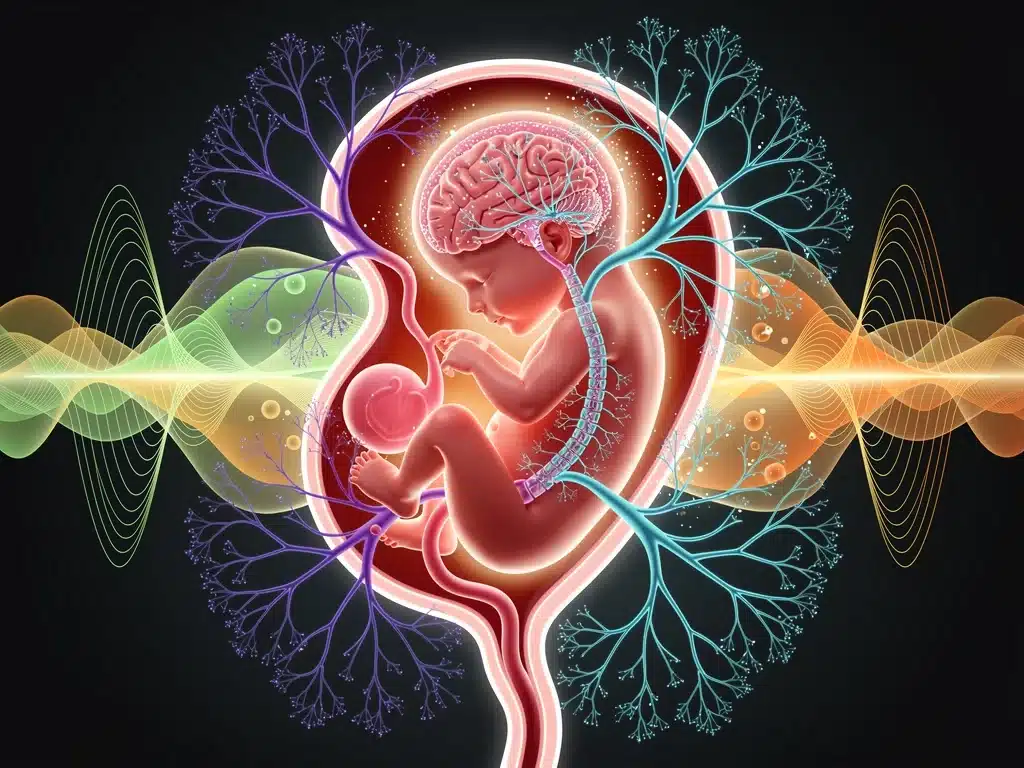
Maternal Nutrition: Fueling Fetal Brain Development
What a mother consumes during pregnancy directly fuels the rapid and complex development of the fetal brain. Maternal nutrition is not merely about calorie intake; it’s about providing the specific building blocks and micronutrients essential for optimal neurodevelopment. Deficiencies or excesses in certain nutrients can have profound and lasting neurobehavioral consequences.
Key Nutrients for Fetal Brain Growth
Several key nutrients are indispensable for healthy fetal brain development. These include, but are not limited to, folic acid, iron, iodine, choline, and omega-3 fatty acids, particularly DHA. Each plays a distinct yet interconnected role in various neurodevelopmental processes, from neural tube formation to synaptic plasticity.
- Folic Acid: Crucial for neural tube development, preventing serious birth defects of the brain and spine.
- Iron: Essential for oxygen transport to the fetal brain and for the synthesis of neurotransmitters.
- Omega-3 Fatty Acids (DHA): Fundamental for the development of neuronal membranes and visual acuity.
- Choline: Important for memory and learning functions, influencing hippocampal development.
Ensuring adequate intake of these nutrients through a balanced diet and, when necessary, targeted supplementation, is a cornerstone of prenatal care in 2026. Nutritional counseling and accessible healthy food options are critical for supporting optimal fetal neurodevelopment, emphasizing prevention over remediation.
Impact of Nutritional Deficiencies and Imbalances
Deficiencies in these vital nutrients, even mild ones, can lead to significant neurobehavioral impacts. For instance, maternal iron deficiency anemia has been linked to impaired cognitive development and behavioral problems in children. Similarly, iodine deficiency, a global health concern, can lead to cretinism and other forms of intellectual disability due to its crucial role in thyroid hormone production, which is essential for brain development. Neurobehavioral Tracking During Pregnancy is becoming increasingly important for early detection.
Beyond deficiencies, certain nutritional imbalances or excessive intake of some nutrients can also be detrimental. For example, excessive intake of certain vitamins can be toxic. The focus is on achieving a balanced and comprehensive nutritional profile throughout pregnancy. Public health initiatives and educational campaigns in 2026 continue to highlight the importance of optimal maternal nutrition, recognizing its profound and long-lasting influence on infant neurobehavioral outcomes. This proactive approach to nutrition underscores the understanding that the foundations for a healthy brain are laid in utero.
The Placenta: A Dynamic Interface
Often underestimated, the placenta is far more than just a conduit; it’s a dynamic organ that plays a crucial role in mediating the neurobehavioral impact of gestational changes. This intricate interface regulates nutrient transfer, waste removal, and hormone production, directly influencing the fetal environment and, consequently, brain development. Its health and function are key indicators of gestational well-being.
Placental Function and Fetal Brain Health
The efficiency and integrity of placental function directly correlate with fetal brain health. A well-functioning placenta ensures a steady supply of oxygen and essential nutrients, while also filtering out harmful substances. Conversely, placental insufficiency or dysfunction can compromise fetal growth and development, particularly affecting the brain.
- Nutrient Transport: The placenta actively transports glucose, amino acids, and fatty acids crucial for neural development.
- Hormone Production: Produces hormones like progesterone and estrogen, vital for maintaining pregnancy and influencing fetal brain maturation.
- Protective Barrier: Acts as a selective barrier against certain maternal pathogens and toxins, although not all.
Disruptions in placental function, such as those caused by maternal hypertension or pre-eclampsia, can lead to reduced blood flow to the fetus, resulting in oxygen and nutrient deprivation. This can have significant neurobehavioral consequences, including an increased risk of cerebral palsy and cognitive impairments. Monitoring placental health is an increasingly integral part of advanced prenatal care.
Epigenetic Modifications and Long-Term Outcomes
The placenta also plays a critical role in mediating epigenetic modifications in the fetus. Epigenetics refers to changes in gene expression that do not involve alterations to the underlying DNA sequence but can be influenced by environmental factors. The placental environment, through its regulation of nutrient and hormone exposure, can induce epigenetic changes that have long-term neurobehavioral impacts.
For instance, maternal stress or nutritional deficiencies can lead to epigenetic modifications in fetal brain regions involved in stress response and cognitive function. These modifications can persist into childhood and even adulthood, influencing susceptibility to mental health disorders and neurodevelopmental challenges. Understanding these epigenetic pathways opens new avenues for intervention and prevention, allowing for more targeted strategies to mitigate adverse gestational changes. The focus in 2026 is moving towards not just identifying risk factors, but also understanding the molecular mechanisms through which these factors exert their influence, offering hope for more personalized prenatal care.
Maternal Microbiome: An Unseen Influence
Emerging research highlights the profound impact of the maternal microbiome on infant neurobehavioral development. Far from being an isolated system, the maternal gut microbiota influences the immune system and metabolic processes, which in turn can affect the developing fetal brain. This unseen world of microorganisms is increasingly recognized as a key player in gestational health.
Gut-Brain Axis in Pregnancy
The concept of the gut-brain axis, a bidirectional communication pathway between the gut microbiota and the central nervous system, extends to pregnancy. The maternal gut microbiome influences the mother’s immune system and produces metabolites that can cross the placenta, potentially affecting fetal brain development. A balanced and diverse maternal microbiome is associated with better neurodevelopmental outcomes.
- Immune System Modulation: A healthy maternal microbiome helps regulate the maternal immune system, reducing inflammation that could harm fetal brain development.
- Metabolite Production: Beneficial gut bacteria produce short-chain fatty acids (SCFAs) and other metabolites that can influence fetal neurogenesis and synaptic formation.
- Stress Response: A balanced microbiome can modulate the maternal stress response, indirectly protecting the fetus from excessive cortisol exposure.
Dysbiosis, an imbalance in the maternal microbiome, has been linked to an increased risk of neurodevelopmental disorders such as autism spectrum disorder and ADHD in offspring. Understanding and supporting a healthy maternal microbiome through diet, probiotics, and lifestyle choices is becoming a significant area of focus in prenatal care, offering a novel pathway to optimize infant neurobehavioral health.
Vertical Transmission and Infant Microbiome Seeding
The maternal microbiome also plays a crucial role in seeding the infant’s own microbiome at birth, particularly through vaginal delivery. This initial colonization is vital for the development of the infant’s immune system and gut-brain axis, which continues to mature post-birth. Disruptions in this vertical transmission can have lasting effects on the child’s neurobehavioral development.
For instance, infants born via C-section or those exposed to antibiotics early in life may have altered microbiome compositions, which have been associated with an increased risk of allergies, autoimmune conditions, and even neurodevelopmental challenges. Research in 2026 is exploring interventions such as ‘vaginal seeding’ for C-section babies, and the judicious use of probiotics during pregnancy and infancy to promote a healthy microbiome. This area of research underscores the interconnectedness of maternal and infant health, highlighting the complex biological legacies passed from mother to child and their profound neurobehavioral implications.

Fetal Programming and Long-Term Health
The concept of fetal programming posits that the conditions experienced during gestation can program the fetus for long-term health outcomes, extending far beyond infancy into adulthood. This programming can affect various physiological systems, including the neuroendocrine and metabolic systems, with significant neurobehavioral consequences.
Developmental Origins of Health and Disease (DOHaD)
The Developmental Origins of Health and Disease (DOHaD) hypothesis provides a framework for understanding how early life events, particularly during gestation, influence an individual’s susceptibility to chronic diseases and neurodevelopmental disorders later in life. Adverse gestational environments can lead to permanent structural and functional changes in organs and systems, including the brain.
- Metabolic Programming: Maternal nutrition and metabolic health during pregnancy can program the fetus for increased risk of obesity, diabetes, and cardiovascular disease in adulthood.
- Neuroendocrine Programming: Exposure to maternal stress hormones can alter the fetal HPA (hypothalamic-pituitary-adrenal) axis, influencing stress response and mental health later in life.
- Immune System Programming: The prenatal environment can shape the developing immune system, affecting susceptibility to allergies, autoimmune diseases, and inflammatory conditions.
Understanding DOHaD principles is transforming prenatal care, moving beyond simply ensuring a healthy birth to actively optimizing the gestational environment for long-term health. This includes promoting healthy maternal lifestyles, managing chronic conditions, and minimizing exposure to environmental stressors, all with the goal of positively programming the fetus for optimal health and neurobehavioral resilience throughout life.
Intergenerational Impact and Future Considerations
The neurobehavioral impact of gestational changes is not limited to a single generation; it can have intergenerational consequences. The health and experiences of a pregnant mother can influence not only her child but potentially also her grandchildren, through epigenetic mechanisms and other biological pathways. This intergenerational lens highlights the profound societal importance of supporting maternal health.
For example, a mother’s nutritional status during her own fetal development can influence her reproductive health and the health of her future offspring. This creates a powerful argument for investing in the health of women across their lifespan, recognizing that the health of future generations is inextricably linked to the well-being of the current generation of mothers. In 2026, research continues to explore these complex intergenerational links, aiming to develop comprehensive strategies that support not just individual pregnancies, but the health and neurobehavioral thriving of entire populations. This expanded understanding calls for a holistic approach to public health, recognizing the deep and lasting ripple effects of gestational experiences.
Strategies for Optimizing Neurobehavioral Outcomes
Given the profound neurobehavioral impact of gestational changes, proactive strategies for optimizing infant development are crucial. These strategies encompass a wide range of interventions, from individual health choices to broader public health initiatives, all aimed at creating the most supportive environment for fetal brain growth.
Holistic Prenatal Care and Education
Comprehensive prenatal care that goes beyond routine check-ups is essential. This includes integrating mental health screening and support, nutritional counseling, and education on environmental toxin avoidance. Empowering expectant parents with knowledge and resources enables them to make informed decisions that positively influence their child’s neurodevelopment.
- Mental Health Integration: Routine screening for anxiety and depression, with access to counseling and support services.
- Personalized Nutrition Plans: Tailored dietary advice and supplementation based on individual needs and risk factors.
- Environmental Risk Assessment: Guidance on identifying and mitigating exposure to common prenatal neurotoxins.
Such holistic care models recognize the multifaceted nature of gestational influences and aim to address all potential areas of impact. The goal is to provide a continuum of care that supports both maternal well-being and optimal fetal neurodevelopment, acknowledging that these are inextricably linked. Education plays a pivotal role in this, transforming passive patients into active participants in their prenatal health journey.
Community Support and Policy Interventions
Beyond individual care, broader community support and policy interventions are vital for creating an environment conducive to healthy neurobehavioral development. This includes policies that ensure access to healthy food, reduce environmental pollution, and provide adequate social and economic support for families.
Public health campaigns can raise awareness about the importance of prenatal health and the impact of gestational changes. Policies such as parental leave, affordable childcare, and support for maternal mental health can significantly reduce stress and improve outcomes. The understanding in 2026 is that optimizing neurobehavioral outcomes for infants is a societal responsibility, requiring a collaborative effort from healthcare providers, policymakers, and communities. By investing in these comprehensive strategies, we not only support individual children but also build healthier, more resilient future generations, recognizing the profound and lasting impact of the earliest stages of life.
| Key Gestational Change | Neurobehavioral Impact |
|---|---|
| Maternal Health | Maternal stress, mental health, and physical conditions directly influence fetal brain development, affecting temperament, emotional regulation, and cognitive outcomes. |
| Environmental Factors | Prenatal exposure to toxins (e.g., lead, mercury) and socioeconomic conditions can impair cognitive function, motor skills, and increase risks of neurodevelopmental disorders. |
| Maternal Nutrition | Deficiencies in key nutrients (folic acid, iron, DHA) or nutritional imbalances can disrupt neural tube formation, neurotransmitter synthesis, and overall brain structure/function. |
| Placental & Microbiome Health | Placental function mediates nutrient delivery and epigenetic changes; maternal microbiome influences immune system and metabolite production, impacting fetal brain health. |
Frequently Asked Questions About Gestational Changes and Infant Development
Maternal stress elevates cortisol levels, which can cross the placenta and impact fetal brain regions responsible for stress regulation and emotional processing. This can lead to increased irritability, difficulty with emotional regulation, and potentially affect cognitive development in the child post-birth.
Key concerns include lead, mercury, certain pesticides, and air pollutants. These substances can cross the placental barrier and interfere with critical brain development processes, potentially leading to reduced IQ, behavioral problems, cognitive deficits, and an increased risk of neurodevelopmental disorders.
Essential nutrients for fetal brain growth include folic acid (for neural tube development), iron (for oxygen transport and neurotransmitter synthesis), iodine (for thyroid function), choline (for memory and learning), and omega-3 fatty acids like DHA (for neuronal membranes).
Yes, the maternal gut microbiome influences the immune system and produces metabolites that can cross the placenta, affecting fetal brain development. A balanced microbiome is linked to better neurodevelopmental outcomes, while dysbiosis has been associated with increased risks of certain neurodevelopmental disorders in offspring.
Fetal programming suggests that conditions experienced during gestation can program a fetus for long-term health, influencing susceptibility to chronic diseases and neurodevelopmental disorders. Adverse environments can lead to permanent changes in organ systems, impacting metabolic, neuroendocrine, and immune functions throughout life.
Conclusion
The intricate dance of gestational changes profoundly shapes an infant’s neurobehavioral future. From the mother’s physical and mental health to environmental exposures, nutritional intake, placental function, and even the maternal microbiome, every factor contributes to the complex tapestry of fetal brain development. Understanding these critical influences in 2026 allows for more targeted interventions and comprehensive prenatal care, fostering not just healthy births but also resilient, thriving individuals. By embracing a holistic approach to maternal well-being and advocating for supportive environments, we lay the strongest possible foundation for the neurobehavioral health of future generations.