Family Data Management 2026: Digital Organization & Security

Advertisements
Effective personal data management for families in 2026 is crucial for digital safety, requiring a proactive approach to organize, secure, and future-proof sensitive information across all devices and platforms.
Advertisements
The digital landscape evolves at a breathtaking pace, and with it, the challenges of safeguarding our most precious asset: personal data. For families, this means navigating a complex web of devices, online services, and privacy concerns. This guide will explore how to approach personal data management for families in 2026, offering practical strategies for digital organization and robust security.
Understanding the 2026 Digital Threat Landscape
As we move further into the 2020s, the digital world presents both incredible opportunities and significant risks. For families, understanding the current threat landscape is the first step toward effective personal data management. Cybercriminals are becoming increasingly sophisticated, targeting individuals and families with personalized attacks.
These threats extend beyond simple viruses to complex phishing schemes, ransomware, and identity theft, often exploiting vulnerabilities in smart home devices or social media accounts. The sheer volume of data generated by families daily—from financial records to health information and children’s online activities—creates a vast attack surface that requires vigilant protection.
Emerging Cyber Threats
The nature of cyber threats is constantly changing, with new vectors appearing regularly. Families must be aware of these evolving dangers to adequately protect their digital footprint.
- AI-Powered Phishing: Scams are becoming more convincing, using AI to craft highly personalized and grammatically flawless messages that mimic trusted contacts or organizations.
- IoT Vulnerabilities: Smart home devices, while convenient, often lack robust security, creating backdoor entry points for hackers into your home network and personal data.
- Deepfake Scams: Advanced AI can now create realistic audio and video fakes, used in extortion or identity fraud, making it harder to verify the authenticity of digital communications.
- Data Broker Exploitation: Companies that collect and sell personal data pose a risk, as breaches in their systems can expose your family’s information without your direct interaction.
Staying informed about these threats is not merely about fear; it’s about empowerment. Knowing what to look for, and understanding the tactics used by malicious actors, allows families to build stronger defenses and make more informed decisions about their digital interactions. This proactive stance is fundamental to robust data security.
Establishing a Family Digital Inventory
Before you can secure your family’s data, you need to know what data exists and where it resides. Establishing a comprehensive family digital inventory is a critical foundational step for effective personal data management. This process involves cataloging all digital assets, from devices to online accounts, and understanding the type of information each holds.
Think of it as a digital audit of your family’s entire online presence. Without this overview, gaps in security are inevitable, leaving sensitive information exposed. This inventory should be a living document, regularly updated as new devices are acquired or accounts created.
Categorizing Family Data
Not all data carries the same level of risk. Categorizing your family’s digital information helps prioritize security efforts. This approach ensures that the most sensitive data receives the highest level of protection.
- Highly Sensitive Data: Financial records (bank accounts, credit cards), health records, social security numbers, birth certificates, passports, and legal documents.
- Sensitive Personal Data: Email addresses, phone numbers, home addresses, dates of birth, employment details, and educational records.
- Public or Non-Sensitive Data: Social media posts, public profiles (with limited personal info), general browsing history (if not tied to specific identities).
Once categorized, you can assess the storage locations for each type of data. Is highly sensitive financial data stored on an inadequately secured cloud drive? Are children’s school records accessible through an old, rarely used email account? The inventory reveals these vulnerabilities, guiding your security strategy. Regularly reviewing this inventory and adjusting categories as needed ensures ongoing relevance and protection.
Implementing Robust Security Protocols
With a clear understanding of your data and its whereabouts, the next crucial step in personal data management for families is to implement strong security protocols. This goes beyond just having antivirus software; it involves a multi-layered approach that protects against various threats and minimizes potential damage in case of a breach.
Effective security protocols are about creating habits and using tools that collectively form a resilient defense. This includes not just technical solutions but also educating family members on safe digital practices, turning security into a shared responsibility rather than an individual burden.
Essential Security Tools and Practices
Modern cybersecurity relies on a combination of technology and user awareness. Integrating these tools and practices into your family’s digital routine is paramount.
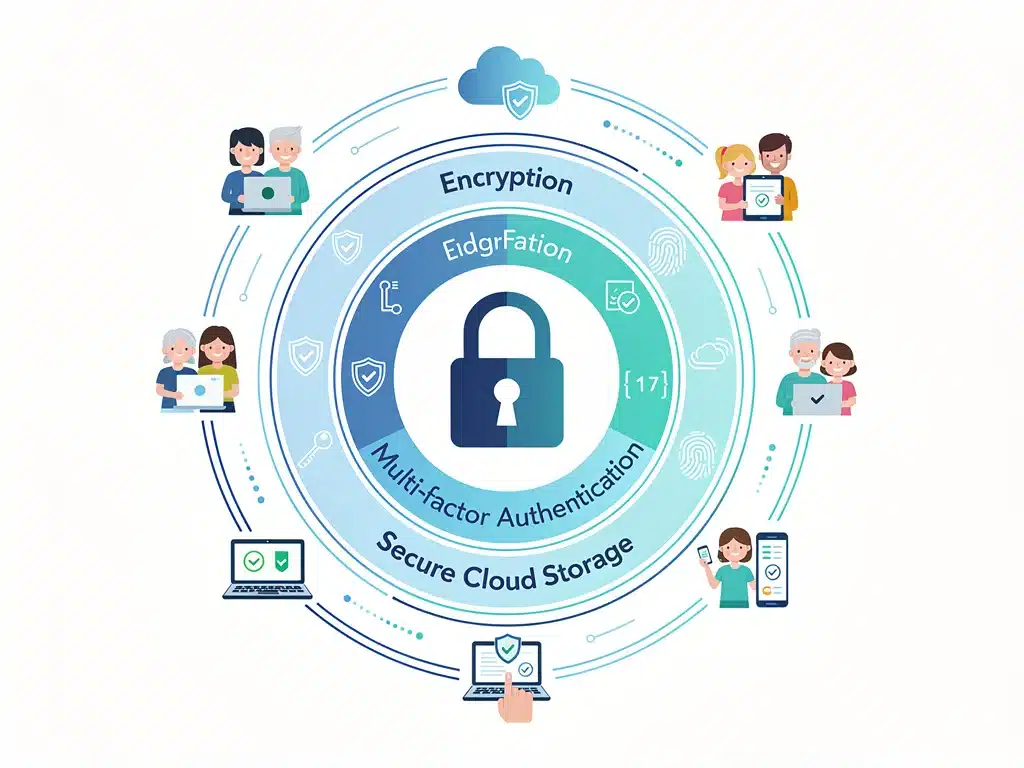
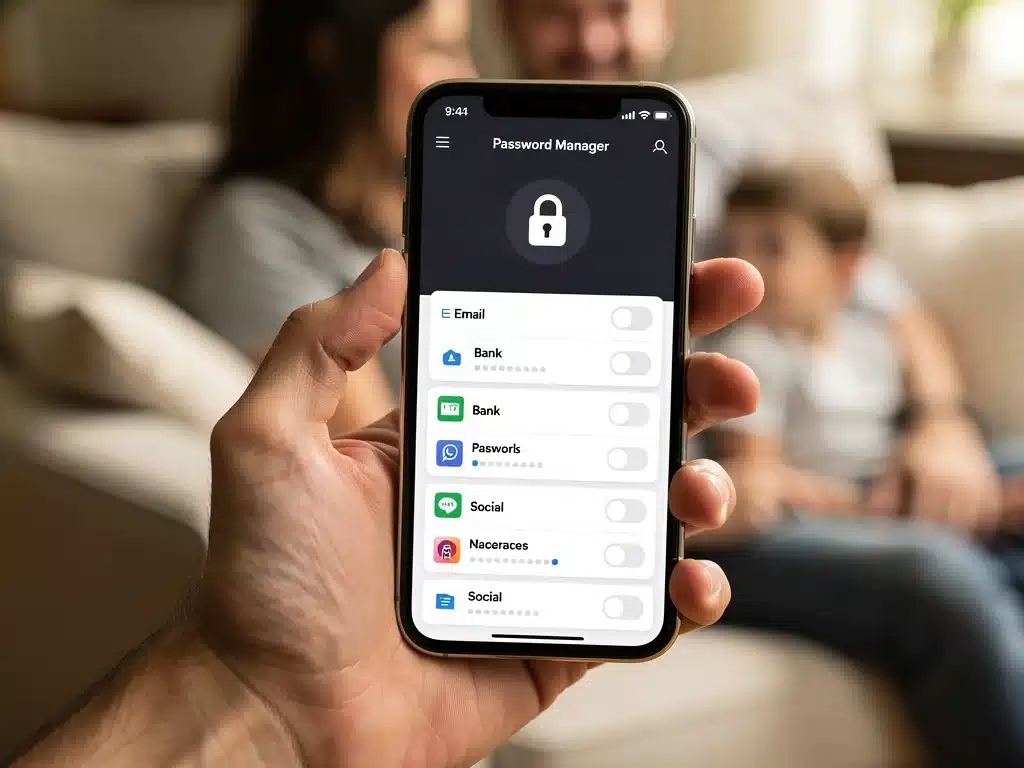
- Strong, Unique Passwords: Use a reputable password manager to generate and store complex, unique passwords for every account. Avoid reusing passwords under any circumstances.
- Multi-Factor Authentication (MFA): Enable MFA on all accounts that support it. This adds an extra layer of security, typically requiring a code from your phone in addition to your password.
- Regular Software Updates: Keep all operating systems, applications, and device firmware updated. Updates often include critical security patches that fix known vulnerabilities.
- Antivirus and Anti-Malware Software: Install and maintain robust antivirus and anti-malware solutions on all family devices, including smartphones and tablets.
- Secure Wi-Fi Networks: Ensure your home Wi-Fi network is secured with a strong, unique password (WPA3 if available) and consider using a guest network for visitors or IoT devices.
Beyond these tools, practicing caution online is vital. Teach family members to recognize phishing attempts, avoid clicking suspicious links, and be wary of unsolicited communications. A strong security posture is a blend of technological safeguards and a well-informed, cautious user base. This holistic approach significantly reduces the risk of data compromise.
Establishing Family Digital Rules and Education
Technology is an integral part of modern family life, but without proper guidance, it can introduce significant risks. Establishing clear family digital rules and prioritizing education are fundamental pillars of effective personal data management for families. These guidelines help foster a culture of digital responsibility and awareness among all family members, regardless of age.
Digital literacy is no longer optional; it’s a necessity. Educating children and adults alike on the importance of privacy, the dangers of oversharing, and the mechanics of secure online behavior forms the bedrock of a safe digital household. This proactive approach minimizes potential vulnerabilities and encourages smarter online choices.
Key Areas for Family Digital Education
Focusing on specific aspects of digital behavior can make education more targeted and impactful. These areas address common pitfalls and empower family members to protect themselves.
- Privacy Settings Mastery: Teach how to review and adjust privacy settings on social media, apps, and devices to control who sees personal information.
- Online Sharing Awareness: Discuss the long-term implications of sharing personal photos, videos, and information online, emphasizing that once something is posted, it’s often permanent.
- Identifying Scams: Train family members to recognize the red flags of phishing emails, suspicious links, and social engineering tactics that attempt to trick them into revealing data.
- Safe Browsing Habits: Promote the use of secure websites (HTTPS), critical thinking about pop-ups and downloads, and understanding the risks associated with public Wi-Fi.
Regular family discussions about online experiences, challenges, and new digital trends are also crucial. These conversations create an open environment where family members feel comfortable asking questions and reporting suspicious activities without fear of judgment. Continuous education ensures that digital rules remain relevant and effective as technology evolves, making everyone a more conscious and secure digital citizen.
Secure Storage and Backup Solutions for 2026
Even with robust security protocols, data loss or compromise remains a possibility. Therefore, implementing secure storage and reliable backup solutions is a non-negotiable component of modern personal data management for families. In 2026, these solutions must offer both strong encryption and convenient recovery options to protect against hardware failure, accidental deletion, and cyberattacks.
The goal is to ensure that critical family data—from cherished photos to important documents—is always accessible and recoverable, even if primary devices are lost or compromised. A well-designed backup strategy provides peace of mind and resilience in the face of digital misfortunes.
Hybrid Backup Strategies
A “hybrid” approach, combining local and cloud-based backups, often offers the best balance of security, redundancy, and accessibility. This strategy protects against a wider range of potential data loss scenarios.
For local backups, external hard drives or Network Attached Storage (NAS) devices are excellent options. They offer fast recovery times and keep data within your home network. However, local backups are vulnerable to physical damage, theft, or localized disasters like fire or flood. This is where cloud backups become indispensable.
Cloud solutions, such as encrypted cloud storage services, provide off-site redundancy, protecting your data even if your home is affected. When choosing a cloud provider, prioritize those that offer end-to-end encryption, zero-knowledge architecture, and have a strong reputation for privacy. Regular testing of your backup and restore process is also crucial to ensure that data can be successfully recovered when needed. This dual approach significantly strengthens your family’s data resilience.
Managing Digital Legacy and End-of-Life Planning
In the realm of personal data management for families, planning for the unexpected is as critical as daily security. This includes managing your family’s digital legacy and establishing clear end-of-life plans for digital assets. It’s an often-overlooked but profoundly important aspect of digital organization, ensuring that valuable information and memories are preserved and handled according to your wishes.
Without proper planning, digital accounts and data can become inaccessible or fall into unintended hands, causing distress and practical complications for surviving family members. Proactive digital legacy planning offers both practical solutions and emotional comfort.
Creating a Digital Will and Inventory
A digital will, or a section within a traditional will, specifically addresses your digital assets. This document outlines who should have access to your accounts and data after your passing, and what should be done with them.
Alongside a digital will, maintain a comprehensive inventory of all online accounts, crucial documents stored digitally, and digital assets like photos, videos, or cryptocurrency. This inventory should include account names, service providers, and instructions for access or deletion, but crucially, not passwords directly. Instead, reference a secure password manager that an executor can access with appropriate legal authorization.
- Appoint a Digital Executor: Designate a trusted individual who understands your wishes and has the technical capability to follow your instructions.
- Specify Account Disposition: Clearly state whether accounts should be memorialized, deleted, or transferred to specific beneficiaries.
- Consolidate Important Data: Centralize important digital files (e.g., family photos, financial records) in an accessible and secure location for your digital executor.
- Review and Update Regularly: Digital assets change frequently, so review and update your digital will and inventory at least annually or after significant life events.
This foresight not only protects your digital heritage but also significantly eases the burden on your loved ones during a difficult time. It’s an act of care that extends your organizational efforts beyond your lifetime, ensuring your digital footprint reflects your intentions.
The Future of Family Data Privacy: 2026 and Beyond
Looking ahead, the landscape of personal data management for families will continue to evolve rapidly. In 2026 and beyond, new technologies and regulatory shifts will shape how we organize and secure our digital lives. Staying informed about these changes is crucial for maintaining effective data privacy and security for your family.
Anticipating future trends allows families to adapt their strategies proactively, rather than reacting to new threats or regulations. This forward-thinking approach ensures that your family remains resilient and secure in an increasingly interconnected and data-driven world.
Anticipated Trends and Technologies
Several key trends and technological advancements are expected to impact family data privacy in the coming years, necessitating ongoing vigilance and adaptation.
- Enhanced Biometric Security: Beyond fingerprints and facial recognition, advanced biometrics like behavioral analysis or vein patterns may become more common, offering both convenience and new privacy considerations.
- Decentralized Data Storage: Blockchain-based or decentralized storage solutions could offer greater individual control over personal data, reducing reliance on centralized providers.
- AI for Proactive Threat Detection: Artificial intelligence will play an even larger role in identifying and neutralizing cyber threats in real time, but also in creating more sophisticated attacks.
- Stricter Data Privacy Regulations: Expect more comprehensive privacy laws globally, potentially giving individuals greater rights over their data and imposing stricter obligations on companies.
- Quantum Computing Threats: The long-term threat of quantum computers breaking current encryption standards will drive the development of quantum-resistant cryptography, which families will eventually need to adopt.
Preparing for these changes involves a commitment to continuous learning and adaptation. Families should regularly review their digital practices, update their security tools, and engage in conversations about emerging technologies. Embracing a mindset of perpetual improvement in digital security is the best way to safeguard personal data in the face of an ever-changing technological frontier, ensuring privacy and safety for generations to come.
| Key Aspect | Brief Description |
|---|---|
| Digital Inventory | Catalog all family devices and online accounts to understand data locations and types. |
| Security Protocols | Implement strong passwords, MFA, regular updates, and antivirus for robust protection. |
| Family Education | Teach privacy settings, online sharing awareness, and scam identification to all members. |
| Digital Legacy | Plan for end-of-life digital asset management with a digital will and account inventory. |
Frequently Asked Questions About Family Data Management
The most critical first step is creating a comprehensive digital inventory. This involves identifying all devices, online accounts, and types of personal data your family uses and stores. Understanding your digital footprint is essential before implementing any security measures.
Protection against AI-powered phishing requires constant vigilance and education. Teach family members to verify sender identities, scrutinize unusual requests, and never click suspicious links. Enable multi-factor authentication on all accounts, as it provides an extra layer of defense even if credentials are compromised.
Yes, smart home devices can pose significant security risks due to potential vulnerabilities and often weak default security settings. Ensure all devices are from reputable brands, update their firmware regularly, change default passwords, and consider isolating them on a separate guest Wi-Fi network.
A hybrid backup strategy is recommended. This involves maintaining both local backups (e.g., external hard drives, NAS) and encrypted cloud backups. This approach protects against various loss scenarios, from hardware failure to natural disasters, ensuring data redundancy and accessibility.
Digital legacy planning is crucial to ensure that your digital assets and memories are handled according to your wishes after your passing. It prevents inaccessible accounts, protects personal data, and eases the burden on family members by providing clear instructions for managing online accounts and digital information.
Conclusion
Navigating the complexities of personal data management for families in 2026 requires a proactive, informed, and adaptive approach. From understanding the evolving digital threat landscape to establishing clear family digital rules, implementing robust security protocols, and planning for digital legacies, each step contributes to a more secure and organized digital life. The digital world is constantly changing, and with it, the strategies needed to protect our families’ sensitive information. By embracing continuous education, leveraging advanced tools, and fostering open communication, families can confidently face the challenges of the digital age, ensuring their privacy and security remain paramount. This journey of digital transformation is ongoing, demanding consistent attention and a commitment to safeguarding what matters most in our interconnected lives.