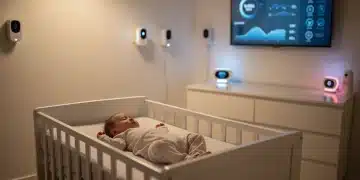
Smart Home Security 2026: 6 Must-Have Features for Families
Advertisements
By 2026, smart home security will integrate advanced AI, biometric access, and proactive threat detection, offering families unparalleled protection through interconnected devices and personalized automation for enhanced peace of mind.
Advertisements
The landscape of home protection is constantly evolving, and by 2026, the concept of a secure household will be redefined by intelligent, interconnected systems. For families navigating an increasingly complex world, understanding
The Rise of AI-Powered Predictive Threat Detection
By 2026, artificial intelligence will be at the core of proactive home security. AI-powered systems will move beyond simple motion detection, learning household routines and identifying anomalous patterns that could indicate a potential threat. This means fewer false alarms and a more intelligent response to genuine dangers.
These sophisticated algorithms analyze vast amounts of data from various sensors, including cameras, door/window sensors, and even environmental monitors. They can distinguish between a family member arriving home, a pet moving indoors, or an actual intruder attempting to gain access. The predictive capabilities will be a game-changer for family safety, allowing for intervention before an incident escalates.
Smarter Surveillance with Behavioral Analytics
Traditional security cameras merely record footage, but AI-enhanced cameras in 2026 will do much more. They will employ behavioral analytics to understand normal activity around and within your home, flagging anything out of the ordinary.
- Anomaly Detection: Identifies unusual loitering, package theft attempts, or suspicious vehicle presence.
- Object Recognition: Differentiates between humans, animals, and vehicles, reducing irrelevant alerts.
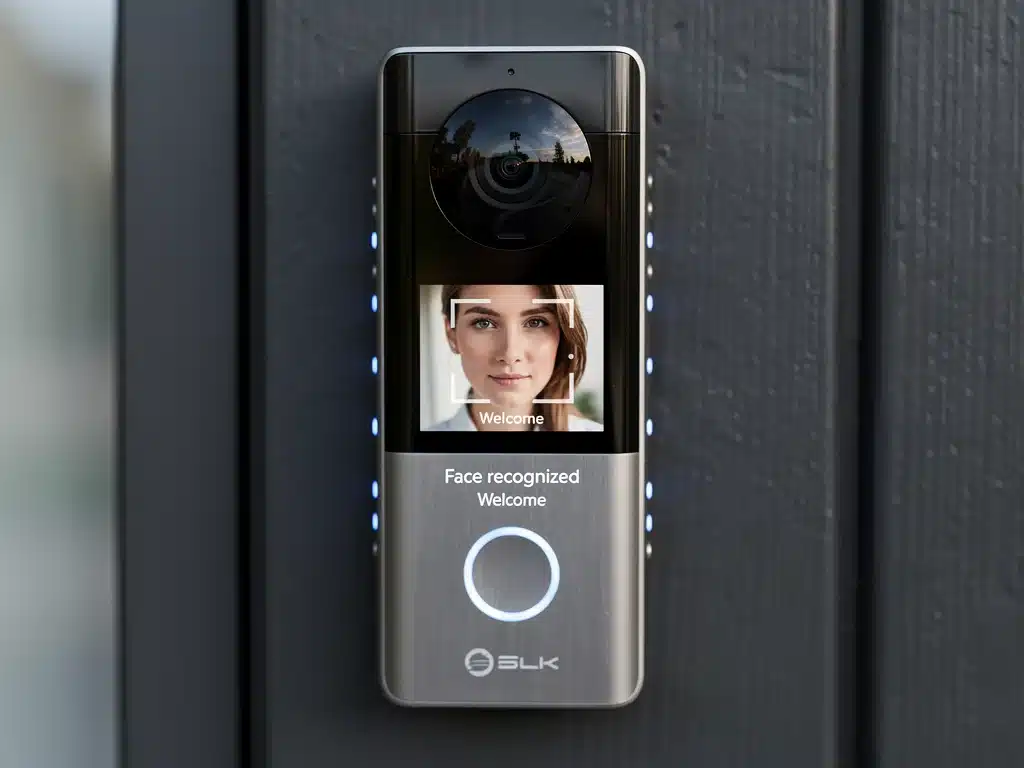
- Facial Recognition: Recognizes family members and approved guests, notifying you of unfamiliar faces.
The ability to predict and alert homeowners to potential threats before they materialize provides an invaluable layer of protection. This proactive approach significantly enhances response times and helps deter criminal activity.
Biometric Access Control for Enhanced Family Safety
Forget keys and complex passcodes; 2026 will see widespread adoption of biometric access controls as a standard for home security. These systems offer unparalleled convenience and a significantly higher level of security, making it almost impossible for unauthorized individuals to gain entry.
For families, this means streamlined entry and exit, especially for children who might otherwise misplace keys or forget codes. Biometric systems are not just about fingerprint scanners; they encompass a range of technologies designed to verify identity with precision and speed.
Fingerprint and Facial Recognition Door Locks
These advanced locks will replace traditional deadbolts, integrating seamlessly with smart home ecosystems. Entry becomes as simple as a touch or a glance, while providing robust security.
- High Accuracy: Advanced sensors ensure precise identification, minimizing false rejections.
- Tamper Detection: Alerts homeowners to any attempts to bypass or damage the lock.
- Audit Trails: Records who entered and when, offering a clear log of home access.
The integration of biometric access control provides a robust and convenient security solution, eliminating vulnerabilities associated with lost keys or shared codes. This feature ensures that only authorized individuals can enter the home, providing immense peace of mind for families.
Integrated Environmental Monitoring and Emergency Response
Smart home security in 2026 extends beyond deterring intruders; it encompasses comprehensive protection against environmental hazards. These integrated systems monitor for dangers like fires, carbon monoxide leaks, and even water damage, automatically alerting emergency services and taking preventative measures.
For families, this means a holistic approach to safety, where the smart home acts as a vigilant guardian against a multitude of threats. Early detection and automated responses can significantly mitigate damage and protect lives, especially when no one is home.
Smart Smoke and CO Detectors with Automated Actions
Next-generation detectors are not just loud alarms; they are intelligent devices that communicate with your entire smart home system. Upon detecting a threat, they can trigger a series of automated safety protocols.
- Automatic Ventilation: If CO is detected, smart HVAC systems can activate to ventilate the home.
- Emergency Lighting: Lights can turn on to illuminate escape routes during a fire.
- Direct Emergency Services Call: Systems can automatically contact fire or medical services with location data.
This level of integration ensures that your home actively responds to emergencies, providing critical protection for your family even when you are away. The seamless coordination of devices can be life-saving.
Advanced Drone Surveillance and Perimeter Defense
The perimeter of your property will become an active zone of defense with the introduction of advanced drone surveillance. By 2026, personal security drones will offer an unprecedented layer of outdoor monitoring, patrolling your property and responding to alerts generated by other sensors.
These autonomous flying sentinels can provide real-time aerial views, deter potential intruders with their visible presence, and even deploy non-lethal deterrents if necessary. For families with larger properties, this feature offers extended coverage that traditional cameras cannot match.
Autonomous Patrols and Event Response
Security drones will be programmed for scheduled patrols and can be dispatched automatically when a perimeter sensor is triggered or an unusual activity is detected by AI surveillance.
- Real-time Video Feed: Stream high-definition video directly to your smartphone or security hub.
- Thermal Imaging: Detects intruders in low light or concealed areas.
- Two-Way Audio: Allows you to communicate with visitors or warn off trespassers.
Integrating drones into your smart home security system creates a dynamic and highly effective perimeter defense. Their ability to cover large areas and respond rapidly to incidents makes them an invaluable asset for family protection.
Hyper-Personalized Security Automation and Geo-Fencing
Smart home security in 2026 will be defined by its ability to adapt precisely to your family’s lifestyle. Hyper-personalized automation, driven by advanced AI and geo-fencing technology, ensures that your home security system operates intelligently without constant manual input.
This means your home security system will automatically arm itself when the last family member leaves and disarm upon their return. It will adjust settings based on individual preferences, ensuring maximum convenience and security around the clock.
Seamless Transitions with Location-Based Triggers
Geo-fencing creates a virtual boundary around your home, using smartphone GPS to determine when family members are within or outside this zone. This triggers automated security actions.
- Auto-Arm/Disarm: System arms when everyone leaves, disarms when a recognized family member approaches.
- Lighting Control: Lights can turn on as you arrive home, creating a welcoming and secure environment.
- Temperature Adjustment: HVAC systems can adjust to save energy when the home is empty and optimize comfort upon return.
Hyper-personalized automation ensures your security system is always optimized for your family’s current situation, providing sophisticated protection that feels effortless and integrated into daily life.
Self-Healing Networks and Quantum-Resistant Encryption
The backbone of any robust smart home security system is its underlying network and data protection. By 2026, systems will feature self-healing networks that automatically detect and repair vulnerabilities, coupled with quantum-resistant encryption to safeguard against emerging cyber threats.
For families, this means confidence that their security infrastructure is resilient against both physical and digital attacks. Protecting personal data and ensuring continuous operation of security devices are paramount in an increasingly connected world.
Robust Cybersecurity Measures for Data Integrity
As smart homes become more integrated, safeguarding the data they collect and transmit is crucial. Quantum-resistant encryption represents the next frontier in protecting sensitive information.
- Data Privacy: Ensures personal data, such as biometric information and routines, remains confidential.
- System Resilience: Self-healing capabilities ensure continuous operation even if a component fails.
- Future-Proof Security: Quantum-resistant encryption protects against future advances in decryption technology.
These advanced network and encryption features provide a foundational layer of trust and reliability for your smart home security system, ensuring that your family’s safety is never compromised by technological vulnerabilities.
Voice-Activated Security Assistants and Unified Control
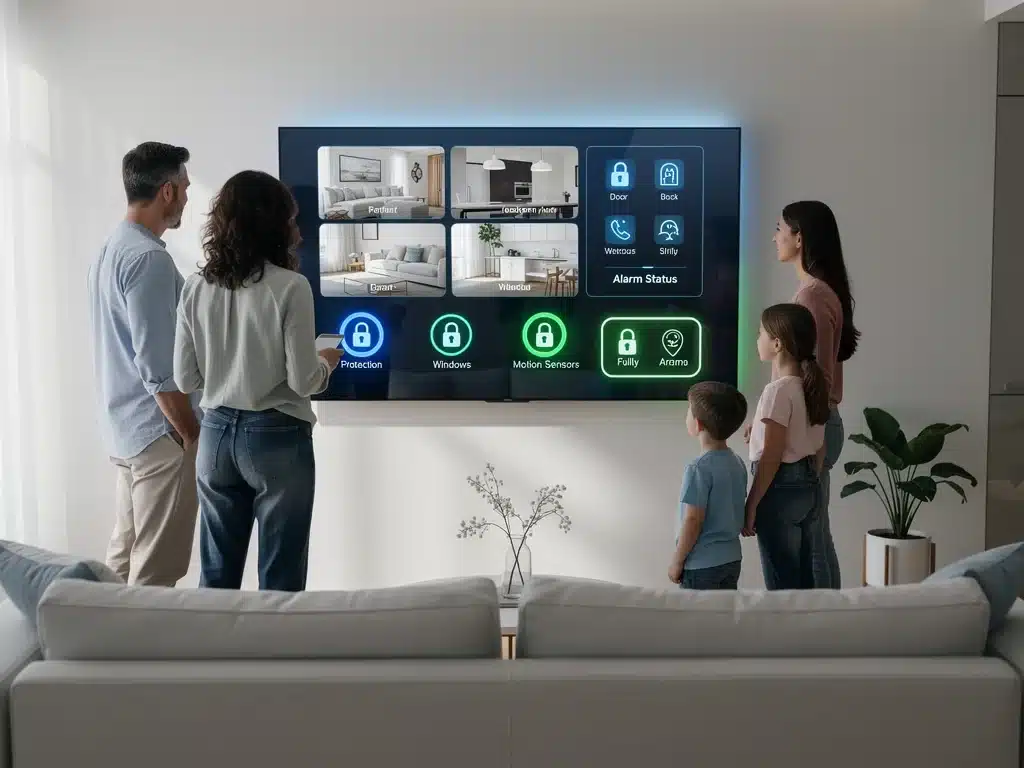
Managing a complex smart home security system can seem daunting, but by 2026, intuitive voice-activated assistants and unified control platforms will make it effortless. These systems allow families to interact with their security devices using natural language, centralizing management for unparalleled ease of use.
Imagine simply telling your home to arm itself for the night or to check a specific camera feed. This level of convenience not only makes security more accessible but also ensures that all family members, regardless of tech savviness, can manage the system effectively.
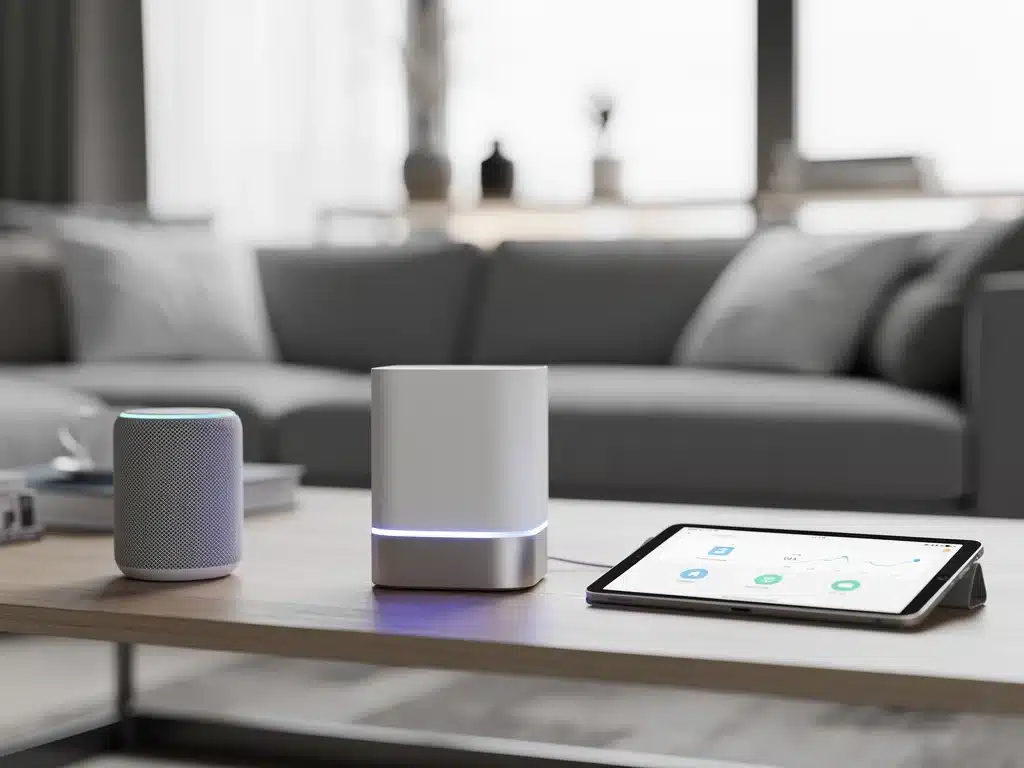
Centralized Management through Smart Hubs
A central smart hub acts as the brain of your security system, integrating all devices and allowing command through a single interface, whether it’s a touch screen, smartphone app, or voice assistant.
- Single Point of Control: Manage all security features from one dashboard.
- Voice Commands: Arm/disarm, view camera feeds, and lock doors using simple voice prompts.
- Customizable Scenes: Create personalized security routines that activate with a single command.
The convergence of voice control and unified platforms simplifies the management of even the most advanced security systems, making comprehensive protection intuitive and user-friendly for every family member.
| Key Feature | Brief Description |
|---|---|
| AI Predictive Threat Detection | Analyzes patterns to proactively identify and alert on potential security risks, minimizing false alarms. |
| Biometric Access Control | Uses fingerprints or facial recognition for secure, keyless entry, improving convenience and security. |
| Integrated Environmental Monitoring | Detects and responds to fires, CO leaks, and floods, automatically contacting emergency services. |
| Self-Healing Networks | Ensures continuous system operation and data integrity with robust cybersecurity and quantum-resistant encryption. |
Frequently Asked Questions About Smart Home Security in 2026
By 2026, AI will significantly enhance home security through predictive analytics, learning occupant routines to distinguish between normal activity and potential threats, thus reducing false alarms and enabling proactive responses to security breaches before they fully escalate.
Yes, biometric access systems in 2026 will offer superior security. Using advanced fingerprint and facial recognition, they provide highly accurate identification, eliminating risks associated with lost keys or forgotten codes. They also feature tamper detection and detailed access logs for enhanced safety.
Drones will provide advanced perimeter defense by 2026, offering autonomous patrols and real-time aerial surveillance. They can respond to sensor triggers, stream high-definition video, and even use thermal imaging to detect intruders, extending security coverage beyond traditional static cameras.
Hyper-personalized automation, driven by geo-fencing, allows security systems to adapt to a family’s unique schedule. It automatically arms or disarms the system based on who is home, adjusts lighting, and optimizes environmental controls, ensuring seamless and intelligent protection without manual intervention.
Quantum-resistant encryption is a cybersecurity measure designed to protect data from decryption by future quantum computers. It’s crucial for smart home security in 2026 to safeguard sensitive personal information and ensure the integrity and privacy of the entire interconnected security network against advanced cyber threats.
Conclusion
The evolution of smart home security by 2026 promises a future where family safety is more robust, intuitive, and integrated than ever before. From AI-powered predictive threat detection to biometric access and self-healing networks, these advancements are set to redefine our expectations of home protection. Embracing these six must-have features will not only enhance the security of our homes but also provide an unparalleled sense of peace and control. As technology continues to advance, the smart home will truly become a sanctuary, intelligently safeguarding loved ones and property against a myriad of potential threats.