
How to check toy recalls before buying holiday gifts
Advertisement
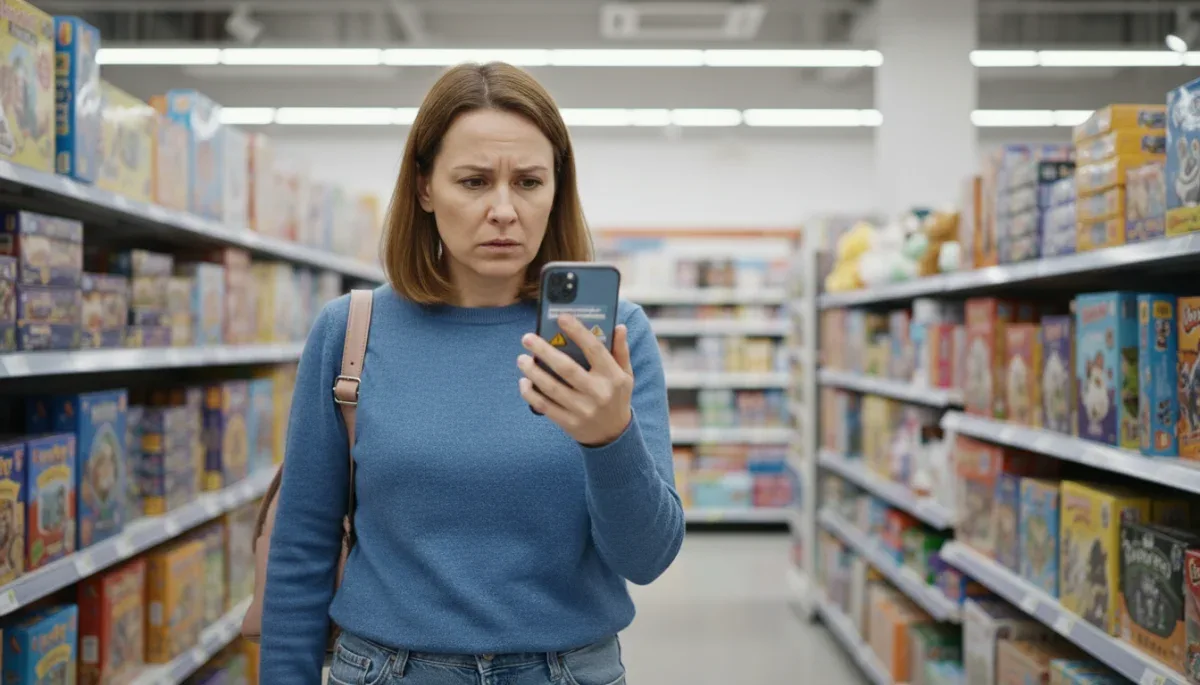
You can check toy recalls in seconds by searching the official Consumer Product Safety Commission database at cpsc.gov before completing any purchase. This verification helps parents, grandparents, and gift buyers avoid dangerous defects, though it requires matching exact model numbers and manufacturing dates rather than relying on product names alone.
Millions of toys move through retail channels each holiday season, and safety agencies regularly identify hazards that range from loose magnets to chemical exposure. Taking five minutes to review federal safety announcements ensures that a discounted toy or popular holiday item does not present hidden risks to children.
Searching the official CPSC recall database
The United States Consumer Product Safety Commission, commonly known as the CPSC, is the independent federal regulatory agency tasked with protecting the public from unreasonable risks of injury or death from consumer products. The commission maintains a publicly accessible database that documents every official product recall issued in the country. When you want to check toy recalls, the official website at cpsc.gov provides the most accurate and up-to-date record available.
Advertisement
Navigating the database is straightforward if you use specific search parameters. Instead of typing broad phrases such as plastic truck or baby doll, enter the precise brand name along with the product category. The search interface allows users to filter results by product type, date range, and hazard classification. Every published recall notice includes high-resolution images of the item, the retail dates during which it was sold, the retail price at the time of distribution, and the exact remedy provided by the manufacturer.
Key details provided in official CPSC notices
- Hazard description: The specific mechanical, electrical, or chemical danger identified during agency evaluation.
- Units affected: The approximate number of items distributed across retail and online storefronts.
- Remedy instructions: Whether consumers should return the item for a refund, request a replacement part, or dispose of the unit.
- Consumer contact information: Direct telephone numbers, email addresses, and dedicated web pages operated by the manufacturer for recall claims.
In addition to cpsc.gov, the federal government operates SaferProducts.gov. This secondary portal allows consumers, health care professionals, and child care providers to submit safety reports and read raw consumer complaints that have not yet resulted in an official recall. Reviewing both platforms gives holiday shoppers a comprehensive perspective on potential safety trends before selecting a gift.
Locating tracking labels and model numbers
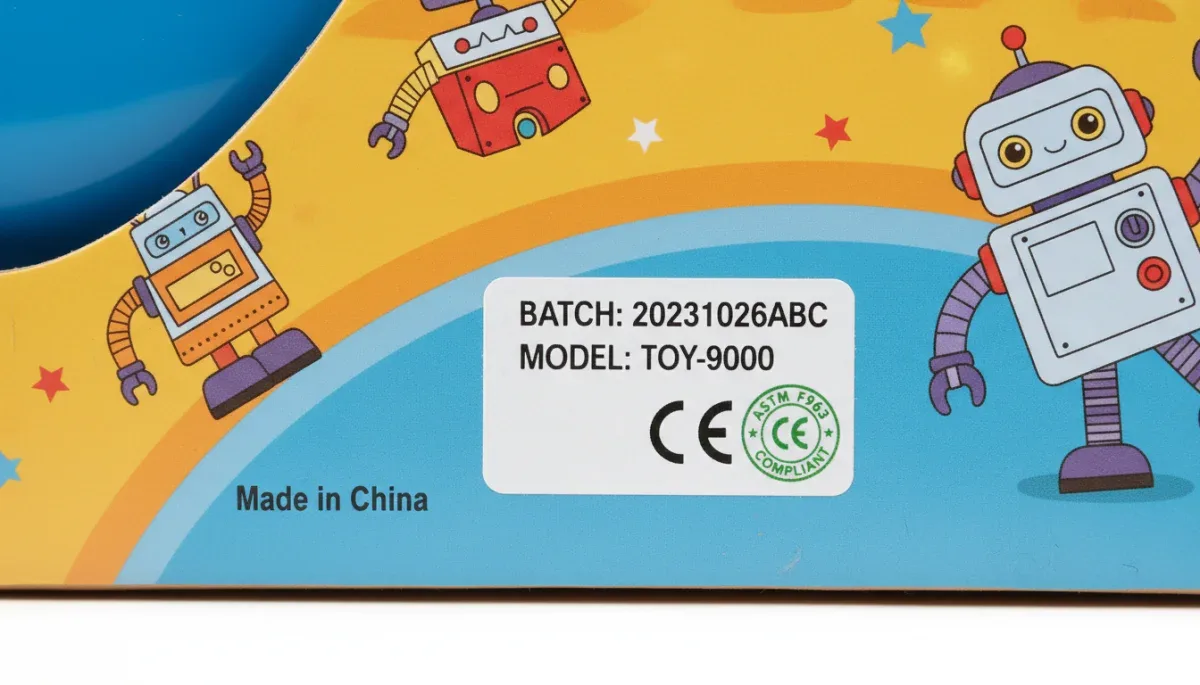
A frequent mistake during holiday shopping is assuming a product is safe simply because the brand name does not show an active recall. Manufacturers frequently sell multiple versions of the same toy across several production cycles. A recall often applies only to items manufactured during specific months or at a particular facility, making the physical tracking label the single most important detail to inspect.
Under the Consumer Product Safety Improvement Act, manufacturers of children's products must place permanent, distinguishing marks on both the product and its packaging. These tracking labels provide vital information that allows you to determine whether an individual unit is subject to an active safety notice. If you are shopping in a physical store, locate the tracking label before bringing the box to the register. When shopping online, you may need to ask the seller directly for the batch code if it is not listed in the product description.
What to look for on a product tracking label
- Manufacturer name: The legal corporate entity responsible for domestic distribution or importation.
- Location and date of production: The country, city, and date code indicating when the item was assembled.
- Batch or run number: A sequence of numbers and letters identifying the exact production cohort.
- Model or SKU code: The standard catalog number used by retailers and regulatory agencies to catalog the product line.
Tracking markings are typically molded into plastic toys, stamped onto battery covers, or printed on sewn fabric tags attached to plush items. If an online seller refuses to share the batch number, or if the product arrives with the label intentionally defaced or missing, the toy should not be given to a child. The absence of mandatory tracking information represents a fundamental violation of federal manufacturing regulations.
Understanding common toy hazards that trigger recalls
Federal safety standards categorize hazards based on the nature of the danger and the age group most vulnerable to injury. Understanding these categories allows gift buyers to identify risky design elements on store shelves before a formal recall is ever issued. Mechanical issues account for a large portion of annual notices, particularly for items marketed to infants, toddlers, and preschool-aged children.
Small parts pose the most frequent choking threat to children under three years old. Federal law strictly prohibits small components in toys designed for this age group, defined as any part that fits completely inside an official testing cylinder that mimics a child's windpipe. However, toys intended for older children sometimes contain pieces that break off easily under normal pressure, leading regulators to recall the items after receiving incident reports from consumers.
Other major recall categories involve materials that are invisible to the naked eye. Ingestible high-powered magnets can attract across intestinal walls if swallowed, creating severe internal blockages and perforations. Button cell batteries present similar emergency risks, as chemical reactions inside the body can cause tissue burns within two hours of ingestion. Chemical recalls typically involve excess concentrations of lead in surface paints or phthalates in flexible plastic materials, both of which are regulated by statutory limits under federal guidelines.
Evaluating secondhand toys and online marketplaces
Thrift shops, garage sales, and peer-to-peer online platforms offer accessible prices during the holidays, but they represent the highest risk for encountering recalled inventory. Under United States federal law, it is unlawful to sell, offer for sale, or distribute any consumer product that is subject to a voluntary corrective action or an involuntary recall. Despite this statutory prohibition, recalled items regularly appear on digital resale marketplaces due to automated listing volumes.
Peer-to-peer sellers often lack knowledge of historical safety announcements. A vintage wooden playset or an older model ride-on vehicle might have been recalled several years ago without the current owner realizing it. Unlike major brick-and-mortar retailers, whose point-of-sale systems automatically block recalled items from scanning at the cash register, an individual selling on an app has no technical barrier preventing the transaction.
If you plan to purchase used toys for the holidays, you must manually run the product name and model number through the CPSC search portal prior to paying. Check whether the item includes all original safety warnings, battery covers, and secure fasteners. Vintage toys produced before modern lead and phthalate limits were enacted carry additional risks, as older standards were significantly less protective than current consumer safety laws.
Setting up automated recall alerts and notifications
Because holiday shopping often takes place weeks or months before gifts are unwrapped, a toy that appears clear of defects in November could be recalled in mid-December. Relying on manual searches alone can leave blind spots if new notices appear while the item is sitting in storage. Setting up automated safety alerts ensures that you receive direct communication the moment a product on your gift list is recalled.
The CPSC provides free email subscription lists divided by product categories, including dedicated feeds for infant and child products. By subscribing to these feeds through the agency website, you receive immediate notifications whenever a manufacturer issues a corrective notice. Furthermore, the agency collaborates with other federal entities through Recalls.gov, a unified alert system that aggregates announcements from food, drug, vehicle, and consumer product databases into one platform.
Whenever you purchase a toy that includes a manufacturer registration card, fill it out and mail it or submit the digital form on the company website. Federal regulations require manufacturers of durable infant and toddler products to provide postage-paid registration cards specifically for recall notifications. Companies are legally prohibited from using registration card data for marketing campaigns, meaning your contact details are preserved solely for safety communications.
At a glance
| Safety factor | What to know |
|---|---|
| CPSC database | Search by exact brand and model number at cpsc.gov to find official recall alerts. |
| Tracking labels | Review the mandatory physical label on the toy to confirm batch dates and production runs. |
| Resale platforms | Selling recalled items is illegal, but buyers must verify used listings manually. |
| Product registration | Registration cards can only be used by manufacturers for safety and recall notifications. |
Frequently asked questions
Is it illegal to sell recalled toys at garage sales?
Yes, federal law makes it illegal for anyone to sell a recalled consumer product. This restriction applies equally to commercial retail establishments, thrift stores, yard sales, and private individuals listing items on digital secondhand platforms, regardless of whether the seller knew about the active recall.
Do stores automatically stop selling recalled toys?
Major retailers use inventory management software to lock recalled product barcodes at the register immediately upon receiving federal notice. However, smaller shops or online third-party sellers on marketplace platforms may occasionally fail to remove recalled units promptly, making independent verification essential.
What should I do if a toy I bought is recalled?
Stop using the toy immediately and keep it away from children while you review the official CPSC notice. The notice will direct you to contact the manufacturer for a free repair kit, an exchange, or a full refund depending on the specific remedy arranged.
Are recalled toys eligible for a refund without a receipt?
Most recall remedies do not require an original store receipt because the manufacturer coordinates the corrective action directly. Companies usually provide prepaid return packaging or ask for a photograph confirming the product has been destroyed before issuing a refund or replacement.
The bottom line
Checking safety notices through the Consumer Product Safety Commission database protects your household from hazardous design flaws, chemical contamination, and unexpected choking risks during the holidays. Taking a structured approach to verifying tracking labels, registering durable goods, and evaluating secondhand gifts ensures that every present given to a child meets mandatory federal safety standards. Before wrapping any toy this season, verify the specific batch code printed on the item against the current recalls list on cpsc.gov.
Written by
Maria Eduarda
Maria Eduarda writes about tech & life, gift guides and seasonal toys for portalreborn.com. Each article explains how things work, compares published details such as prices, policies and program rules, and points readers to the official source before they decide.