Gen Z Redefining Work-Life Balance: 2026 Insights
Advertisements
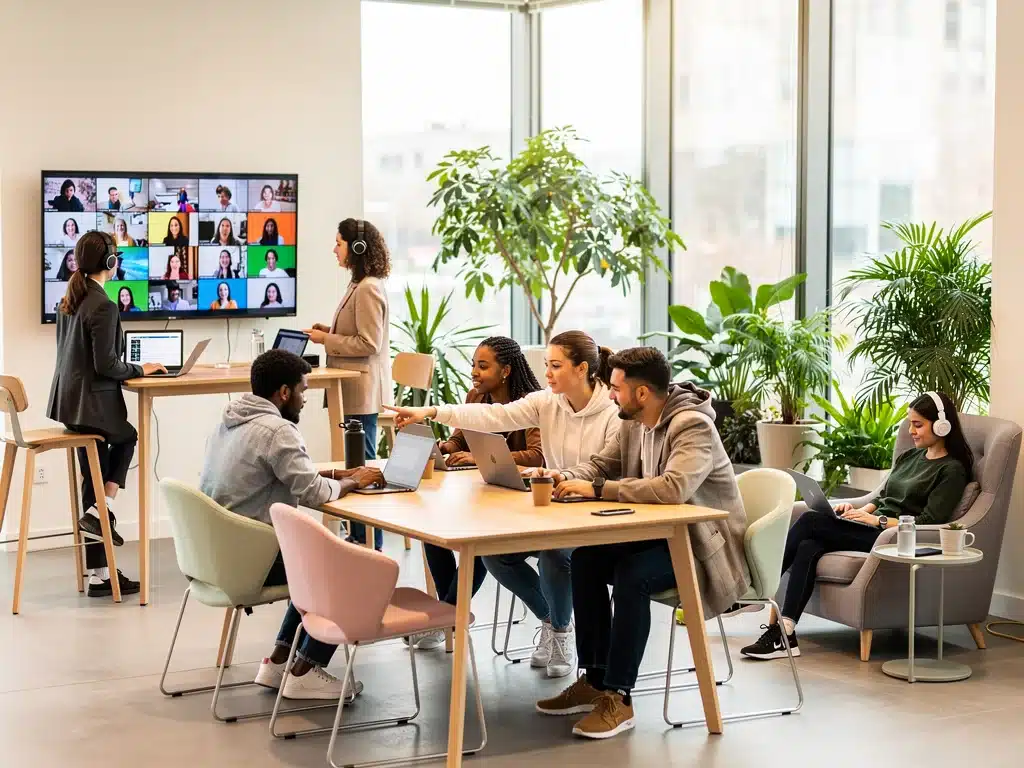
Gen Z is fundamentally redefining work-life balance by 2026, emphasizing well-being, flexibility, and purpose, thereby compelling organizations to adapt their traditional structures to meet evolving employee expectations and retain top talent.
The landscape of work is perpetually evolving, but few shifts have been as pronounced or as rapid as those driven by the emerging workforce. By 2026, the influence of Gen Z work-life balance preferences will be undeniable, profoundly reshaping how organizations operate and how individuals perceive their careers. This generation, born between the mid-1990s and early 2010s, is not merely adapting to existing structures; they are actively demanding a paradigm shift, prioritizing personal well-being, flexibility, and purpose in ways previous generations did not. Understanding these dynamics is crucial for businesses aiming to attract and retain the talent that will drive future innovation and productivity.
Advertisements
The Genesis of a New Work Ethic: Understanding Gen Z’s Values
Gen Z enters the workforce with a distinct set of values shaped by a world of unprecedented technological advancement, economic uncertainty, and social awareness. Unlike their predecessors, who might have viewed work as a primary identifier, Gen Z often sees it as a means to an end, enabling a fulfilling life outside of professional duties. This perspective is not a sign of laziness but rather a conscious prioritization of mental health, personal growth, and social impact.
Their formative years were marked by events like the 2008 financial crisis, the rise of the gig economy, and a global pandemic, all of which contributed to a pragmatic yet idealistic outlook. They are digital natives, comfortable with constant connectivity, yet paradoxically, they crave genuine human connection and a clear separation between their professional and personal lives. This complex interplay of experiences underpins their demands for a more equitable and human-centric workplace.
Digital Fluency and its Dual Impact
Gen Z’s inherent digital fluency means they expect seamless technological integration in their work, enabling efficiency and remote capabilities. However, this constant connection also makes them acutely aware of the potential for burnout, leading to a strong desire for clear boundaries.
- Technological Expectation: They anticipate advanced tools and platforms that streamline tasks and facilitate collaboration, often preferring cloud-based solutions and intuitive interfaces.
- Burnout Awareness: Having grown up with social media and 24/7 connectivity, they are highly sensitive to the blurring lines between work and personal life and actively seek ways to disconnect.
- Hybrid Work Preference: Their comfort with digital tools makes hybrid or fully remote work models highly attractive, offering autonomy and flexibility.
The values Gen Z brings to the table are not merely preferences; they are fundamental expectations that will redefine the employer-employee relationship. Companies that fail to recognize and adapt to these core values risk losing out on a significant portion of future talent. Their emphasis on transparency, authenticity, and social responsibility also extends to their employers, demanding that organizations align with their ethical standards. This generation is not afraid to speak up or move on if their values are not reflected in their workplace culture.
Comparing Generations: A Shift in Priorities
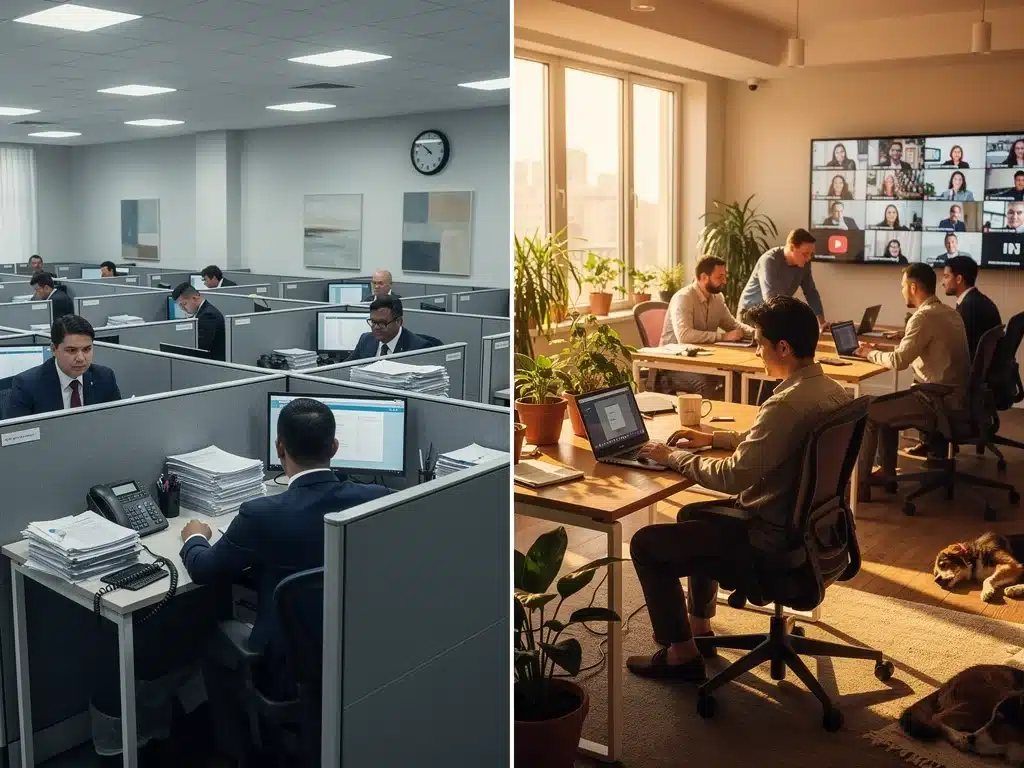
To truly grasp the impact of Gen Z, it’s essential to compare their work-life balance philosophies with those of previous generations like Baby Boomers, Gen X, and Millennials. Each generation has approached work with a distinct mindset, shaped by their historical context and societal norms. By 2026, these differences will be more pronounced than ever, necessitating a multi-generational understanding for effective workforce management.
Baby Boomers and the Traditional Career Path
Baby Boomers (born 1946-1964) typically embraced a linear career path, prioritizing loyalty, long tenure, and climbing the corporate ladder. Their focus was often on financial security and material success, with work-life balance being a secondary concern, often sacrificed for career advancement. Long hours and dedication were seen as virtues, leading to a culture where personal time was often intertwined with professional obligations.
Gen X’s Quest for Independence
Gen X (born 1965-1980) entered a more skeptical world, valuing independence, self-reliance, and a healthy dose of cynicism towards corporate structures. While they also worked hard, they were the first generation to truly articulate a desire for work-life balance, seeking to avoid the workaholic tendencies of their parents. They often prioritized family time and sought flexibility, albeit within more traditional frameworks.
Millennials and the Search for Meaning
Millennials (born 1981-1996) brought a strong desire for purpose and meaning in their work, valuing collaboration, feedback, and opportunities for growth. They were instrumental in popularizing flexible work arrangements and challenged the nine-to-five norm. While they sought balance, the allure of startup culture and rapid career progression often led to a blurring of lines between work and personal life, sometimes resulting in burnout despite their intentions.
Gen Z’s Holistic Approach
Gen Z takes the quest for balance further, viewing it not just as a perk but as a fundamental right. Their approach is holistic, integrating mental health, physical well-being, and personal fulfillment into the very definition of a successful career. They are less willing to compromise these aspects for higher pay or traditional career advancement, leading to a significant re-evaluation of what constitutes a desirable job. This generation is not afraid to job-hop until they find an environment that truly aligns with their values, making retention a key challenge for employers.
The stark contrast in priorities means that organizations cannot apply a one-size-fits-all approach to employee engagement. What motivates a Baby Boomer may not resonate with a Gen Z employee, and understanding these nuanced differences is paramount for fostering a productive and inclusive workplace by 2026. The shift isn’t just about offering more perks; it’s about fundamentally rethinking the purpose and structure of work itself.
The Pivotal Role of Flexibility and Autonomy
For Gen Z, flexibility and autonomy are not merely buzzwords; they are non-negotiable elements of a desirable work environment. This preference stems from a deeply ingrained desire for control over their time and how they allocate their energy. They have witnessed the struggles of previous generations with rigid work schedules and are determined to forge a different path, one that allows for better integration of life’s various demands.
The traditional 9-to-5, in-office model is increasingly seen as outdated and inefficient. Gen Z employees thrive in environments where they can choose when and where they work, as long as they meet their objectives. This doesn’t mean a lack of commitment; rather, it signifies a belief that productivity is measured by output, not by hours spent at a desk.
Remote and Hybrid Work Models
The pandemic accelerated the adoption of remote and hybrid work, and Gen Z has fully embraced these models. They see them as opportunities to optimize their personal lives, whether it’s by avoiding long commutes, caring for family, or pursuing personal interests. Employers who revert to full-time in-office mandates risk alienating this talent pool.
- Increased Productivity: Many Gen Z individuals report that flexible arrangements allow them to work during their most productive hours, leading to higher quality output.
- Enhanced Well-being: Reduced commute times and the ability to manage personal appointments contribute significantly to better mental and physical health.
- Access to Global Talent: Companies offering remote options can tap into a wider talent pool, unconstrained by geographical limitations.
Beyond location flexibility, Gen Z also values autonomy in how they approach their tasks. They prefer to be given clear objectives and then trusted to determine the best methods to achieve them. Micromanagement is a significant deterrent, stifling creativity and motivation. This generation thrives on empowerment and expects their leaders to act as facilitators rather than strict overseers.
By 2026, organizations that successfully integrate genuine flexibility and autonomy into their operational models will be better positioned to attract and retain Gen Z talent. This requires a cultural shift towards trust and results-oriented management, moving away from archaic notions of presenteeism. It’s about empowering employees to do their best work on their own terms, fostering a sense of ownership and accountability.
The Pursuit of Purpose and Impact
More than just a paycheck, Gen Z seeks purpose and meaning in their professional lives. They want to understand how their work contributes to a larger goal, whether it’s solving societal problems, promoting sustainability, or creating positive change. This desire for impact extends beyond the immediate tasks and encompasses the overall mission and values of the organization. A company’s commitment to social responsibility and ethical practices is a significant factor in their job selection and retention.
This generation has grown up acutely aware of global issues, from climate change to social inequality, and they expect their employers to be part of the solution. They are not content with mere corporate social responsibility initiatives; they look for genuine integration of purpose into the core business model. Brands that demonstrate authenticity and transparency in their efforts to make a difference will naturally appeal more to Gen Z.
Alignment with Personal Values
Gen Z is highly selective when it comes to aligning their personal values with their employer’s mission. They often conduct thorough research into a company’s ethical stance, environmental impact, and diversity and inclusion policies before committing. This vetting process is a crucial step in their job search, demonstrating their commitment to working for organizations that reflect their ideals.
- Ethical Business Practices: They prioritize companies with strong ethical frameworks, fair labor practices, and transparent governance.
- Social Responsibility: Organizations actively involved in community initiatives or addressing global challenges are highly regarded.
- Environmental Stewardship: A demonstrable commitment to sustainability and eco-friendly practices is a significant draw.
Furthermore, Gen Z values opportunities to contribute to these causes directly through their work. They seek roles where they can apply their skills to projects that have a tangible positive impact, rather than simply performing routine tasks. This often means a preference for innovative, mission-driven companies, even if it means sacrificing some traditional benefits or higher initial salaries.
By 2026, companies that articulate a clear, compelling purpose beyond profit, and consistently demonstrate their commitment to it, will have a distinct advantage in attracting and retaining Gen Z talent. This requires authentic communication, genuine action, and opportunities for employees to be actively involved in meaningful initiatives. The narrative around ‘why we do what we do’ has never been more important.
Well-being and Mental Health as Core Workplace Pillars
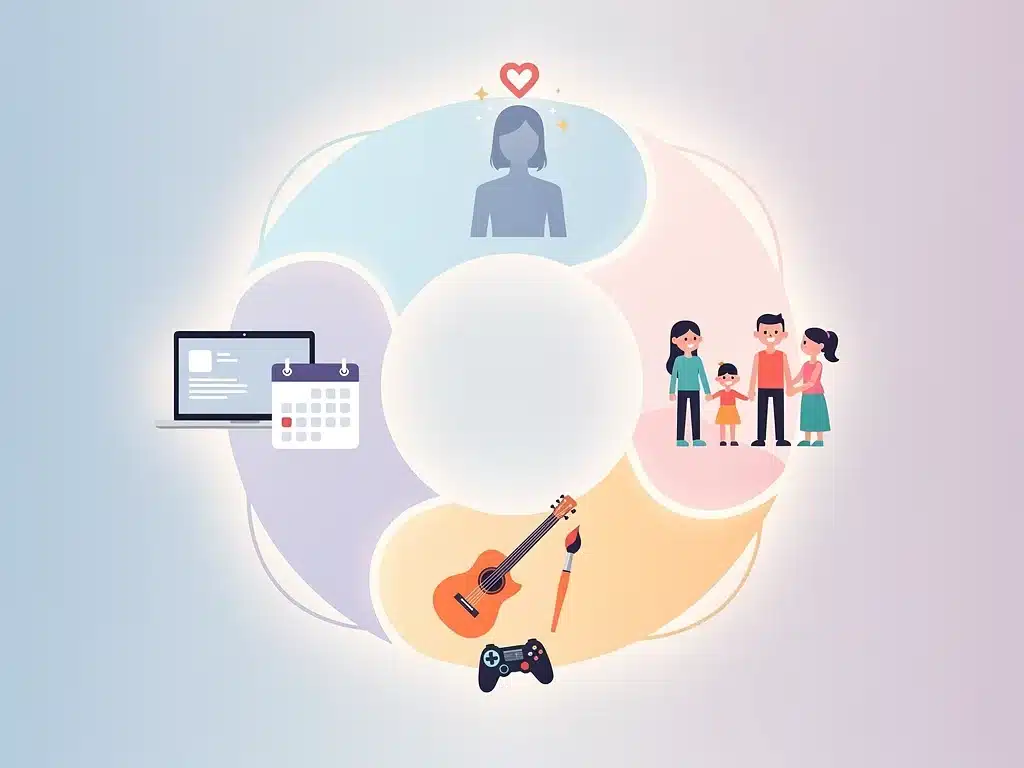
Perhaps one of the most defining aspects of Gen Z’s approach to work-life balance is their unwavering emphasis on well-being and mental health. This generation is more open and vocal about mental health struggles than any before them, largely due to increased awareness and reduced stigma. They expect their employers to not only acknowledge these concerns but also to actively provide resources and foster a culture that supports holistic employee health.
The traditional notion of ‘leaving your problems at the door’ is entirely rejected by Gen Z. They understand that personal well-being directly impacts professional performance and vice versa. Consequently, they seek workplaces that offer comprehensive mental health support, stress reduction initiatives, and a general environment that prioritizes employee health over relentless productivity demands.
Proactive Mental Health Support
Gen Z looks for companies that offer more than just reactive solutions. They want proactive measures that prevent burnout and promote mental resilience. This includes access to therapy, counseling services, mental health days, and resources for stress management.
- Access to Professional Help: Employer-sponsored mental health benefits, including therapy and counseling, are highly valued.
- Mental Health Days: The provision of dedicated days off for mental recuperation, distinct from sick days, is a significant draw.
- Stress Reduction Programs: Initiatives like mindfulness workshops, wellness challenges, or subsidized gym memberships contribute to a supportive environment.
Beyond formal programs, the culture of the workplace plays a critical role. Gen Z thrives in environments where open communication about mental health is encouraged, where leaders lead by example in prioritizing their own well-being, and where there is a genuine understanding of the importance of work-life boundaries. Overwork and a constant ‘hustle culture’ are major red flags for this generation, as they directly contradict their values.
By 2026, organizations that embed well-being and mental health support into their core values and operational practices will not only attract Gen Z but also cultivate a more resilient, engaged, and productive workforce overall. This shift requires a commitment from leadership to foster a truly empathetic and understanding workplace culture, recognizing that a healthy employee is a happy and effective employee.
The Future Workplace: Adapting to Gen Z’s Demands by 2026
As Gen Z continues to swell the ranks of the global workforce, their collective influence will fundamentally reshape workplace norms by 2026. Organizations that proactively adapt to their demands for work-life balance, flexibility, purpose, and well-being will undoubtedly gain a competitive edge. This adaptation is not merely about implementing new policies; it requires a deep cultural transformation that embraces a more human-centric approach to work.
The future workplace, as envisioned by Gen Z, is one where output is valued over hours, where personal growth is nurtured alongside professional development, and where ethical considerations are as important as financial performance. This vision challenges decades of established corporate practices and necessitates a willingness to innovate and evolve.
Key Adaptations for Employers
To successfully navigate this shift, employers must consider several key areas of adaptation. This involves rethinking everything from recruitment strategies to performance management and leadership styles.
- Flexible Work Structures: Implementing robust hybrid or remote work policies, empowering employees with choice and autonomy over their schedules.
- Purpose-Driven Mission: Clearly articulating and genuinely living out a compelling organizational purpose that resonates with Gen Z’s values, backed by tangible actions.
- Holistic Well-being Programs: Investing in comprehensive mental health support, wellness initiatives, and fostering a culture that respects work-life boundaries.
- Skill Development and Growth: Providing continuous learning opportunities and clear pathways for career progression that align with their desire for personal and professional development.
- Inclusive and Diverse Culture: Building a workplace that champions diversity, equity, and inclusion, where every voice is heard and valued.
Furthermore, leadership styles will need to evolve from hierarchical command-and-control to more coaching-oriented, empathetic approaches. Leaders will be expected to demonstrate emotional intelligence, foster psychological safety, and actively listen to their teams. Mentorship and sponsorship programs will also be crucial for guiding Gen Z professionals through their careers, offering the support and development they seek.
By 2026, the organizations that thrive will be those that view Gen Z’s demands not as challenges, but as opportunities to build more resilient, innovative, and human-centered workplaces that benefit all employees. This generational shift is a catalyst for positive change, pushing companies to create environments where individuals can truly flourish, both personally and professionally.
Navigating the Challenges of Generational Integration
While Gen Z’s influence promises positive transformations, integrating their distinct expectations into multi-generational workplaces presents its own set of challenges. Bridging the gap between traditional work ethics and emerging priorities requires thoughtful strategy, open communication, and a commitment to understanding diverse perspectives. Companies must find ways to honor the contributions of all generations while evolving to meet the needs of their newest talent.
One primary challenge lies in managing expectations. Older generations, accustomed to different norms, may view Gen Z’s demands for flexibility and well-being as a lack of commitment or a sense of entitlement. Conversely, Gen Z might perceive older colleagues’ adherence to traditional structures as resistance to progress. Fostering mutual respect and understanding is critical to prevent generational friction.
Strategies for Harmonious Coexistence
Successful integration hinges on creating an inclusive environment where every employee feels valued and understood. This involves proactive measures to educate and bridge cultural differences within the workplace.
- Intergenerational Mentorship: Programs where different generations can learn from each other, sharing experiences and perspectives, can build empathy and understanding.
- Clear Communication of Policies: Transparent communication regarding flexible work policies, well-being initiatives, and performance expectations helps manage diverse viewpoints.
- Inclusive Leadership Training: Equipping managers with skills to lead diverse teams, understand generational motivators, and mediate potential conflicts.
Another challenge involves adapting infrastructure and technology to support diverse work styles without alienating any group. While Gen Z is digitally fluent, not all generations are equally comfortable with new tools or remote collaboration. Investing in training and support systems that cater to varying tech proficiencies is essential for a seamless transition to more flexible work models.
By 2026, organizations that successfully navigate these integration challenges will benefit from a richer, more dynamic workforce. Embracing generational diversity means leveraging different strengths, perspectives, and experiences to drive innovation and achieve collective goals. It’s about building a workplace where adaptability is a core competency, allowing all employees to thrive in an ever-changing professional landscape.
| Key Aspect | Gen Z’s Redefinition |
|---|---|
| Work-Life Balance | Prioritizes well-being and personal life over traditional career sacrifices, seeking true integration. |
| Flexibility & Autonomy | Demands remote/hybrid options and control over work methods as non-negotiable. |
| Purpose & Impact | Seeks meaningful work aligned with personal values and social responsibility. |
| Mental Health Support | Expects proactive mental health resources and a culture that openly addresses well-being. |
Frequently Asked Questions About Gen Z and Work-Life Balance
While Millennials sought purpose and flexibility, often blurring lines between work and personal life, Gen Z prioritizes strict boundaries and holistic well-being. They are less willing to sacrifice personal time for career advancement, emphasizing mental health and a clear separation between professional and private spheres.
Gen Z highly values flexible work arrangements like remote or hybrid options, mental health days, comprehensive well-being programs, and opportunities for meaningful work aligned with social responsibility. They also prioritize transparent communication and a culture that fosters psychological safety and respect.
To attract and retain Gen Z, companies must offer genuine flexibility, demonstrate a clear and authentic purpose beyond profit, invest in robust well-being and mental health support, and provide opportunities for continuous learning and career growth. An inclusive and diverse culture is also paramount.
Not necessarily less committed, but their commitment is defined differently. Gen Z is committed to work that aligns with their values and contributes to their overall well-being. They may be less loyal to a single employer if their needs for balance, purpose, and flexibility are not met, leading to higher job mobility.
Technology is central to Gen Z’s expectation of seamless, efficient work, enabling remote and flexible arrangements. However, they are also acutely aware of technology’s potential for burnout, actively seeking clear boundaries and digital detox to maintain mental well-being and prevent constant connectivity from eroding personal time.
Conclusion
The profound generational shifts driven by Gen Z are not merely temporary trends but fundamental recalibrations of what work means in the 21st century. By 2026, their unwavering commitment to holistic well-being, authentic purpose, and genuine flexibility will have cemented a new standard for work-life balance. Organizations that proactively embrace these values, adapting their cultures, policies, and leadership styles, will not only successfully attract and retain this dynamic talent pool but also cultivate more resilient, engaged, and ultimately, more successful workplaces for all. The future of work is not just about productivity; it’s about fostering environments where individuals can truly flourish, both personally and professionally.