Emotional Intelligence in Kids: Foster Empathy & Resilience by Age 7
Advertisements
Fostering emotional intelligence in kids, specifically building empathy and resilience by age seven, is crucial for their overall development, equipping them with essential life skills for navigating complex emotions and social interactions effectively.
Cultivating emotional intelligence in kids from an early age is more than just teaching manners; it’s about equipping them with the fundamental tools to understand, manage, and express their emotions constructively, while also recognizing and responding to the feelings of others. By focusing on strategies to foster empathy and resilience by age seven, parents and caregivers can lay a robust foundation for a child’s mental well-being, social competence, and future success, guiding them toward a more conscious and fulfilling life.
Advertisements
Understanding Emotional Intelligence in Early Childhood
Emotional intelligence, often abbreviated as EQ, refers to the capacity to recognize, understand, and manage one’s own emotions, as well as to perceive and influence the emotions of others. In early childhood, this foundational skill set begins to develop rapidly, shaping a child’s interactions with the world around them. It’s not an innate trait but rather a collection of abilities that can be nurtured and strengthened through intentional guidance and supportive environments. For young children, emotional intelligence manifests in their ability to express feelings appropriately, calm themselves when upset, and interact positively with peers and adults.
The early years, particularly up to age seven, represent a critical window for the development of these emotional capacities. During this period, children are highly receptive to learning social cues and internalizing emotional regulation strategies. Their brains are rapidly forming connections, making it an opportune time to instill habits of empathy, self-awareness, and problem-solving. A child with a strong emotional foundation is better equipped to handle academic challenges, navigate friendships, and adapt to new situations, ultimately leading to greater overall happiness and success.
The Pillars of Early Emotional Development
Several key components contribute to a child’s emotional intelligence. These pillars are interconnected and evolve as the child grows, requiring consistent encouragement and modeling from caregivers.
- Self-Awareness: The ability to recognize and understand one’s own moods, emotions, and drives, as well as their effect on others. For young children, this means identifying basic feelings like happy, sad, angry, or scared.
- Self-Regulation: The capacity to control or redirect disruptive impulses and moods, and to suspend judgment—to think before acting. This involves learning coping mechanisms for frustration or disappointment.
- Motivation: A passion to work for reasons that go beyond money or status, and a propensity to pursue goals with energy and persistence. In children, this can be seen in their curiosity and desire to master new skills.
- Empathy: The ability to understand the emotional makeup of other people. For kids, this is about recognizing when a friend is sad and offering comfort, or understanding why someone might be upset.
- Social Skills: Proficiency in managing relationships and building networks, and an ability to find common ground and build rapport. This includes sharing, taking turns, and resolving conflicts peacefully.
Understanding these components helps parents and educators target specific areas for development, ensuring a comprehensive approach to fostering emotional intelligence. It’s about creating an environment where children feel safe to explore their emotions and learn from their experiences.
Strategy 1: Cultivating Emotional Vocabulary and Expression
One of the most foundational steps in building emotional intelligence in kids is to help them develop a rich emotional vocabulary. Before children can manage their emotions, they must first be able to identify and name them. Imagine trying to explain a complex concept without the right words; it’s equally challenging for a child to navigate their inner world without the language to describe it. Introducing a wide range of emotion words—beyond just ‘happy’ and ‘sad’—empowers children to articulate their feelings with greater precision, leading to better self-understanding and communication.
Parents and caregivers can actively engage in conversations that validate and explore feelings. When a child is upset, instead of simply saying, “Don’t be sad,” try, “I see you’re feeling frustrated because your tower fell. It’s okay to feel frustrated.” This approach not only names the emotion but also normalizes it, teaching the child that all feelings are acceptable. Over time, this practice helps children build a mental library of emotions and associate them with specific situations and bodily sensations.
Practical Ways to Expand Emotional Language
Integrating emotional vocabulary into daily life doesn’t have to be a formal lesson. It can be woven into everyday interactions and activities, making the learning process natural and engaging for children.
- Read Emotion-Themed Books: Many children’s books feature characters experiencing various emotions. Discuss the characters’ feelings and ask your child how they think the character feels and why.
- Use “Feeling” Charts: A visual chart with different facial expressions representing emotions can help children point to how they are feeling, especially before they can articulate it verbally.
- Model Emotional Expression: Share your own feelings appropriately. “I’m feeling a little overwhelmed right now because I have a lot to do.” This shows children that adults have emotions too and how to express them calmly.
- Play “Guess the Emotion” Games: Use flashcards or act out different emotions and have your child guess what feeling is being expressed. This makes learning fun and interactive.
Encouraging children to express their feelings in healthy ways is equally important. This means teaching them constructive outlets for strong emotions, such as talking about it, drawing, or engaging in physical activity, rather than resorting to yelling or hitting. By providing these tools, we help children develop a sense of agency over their emotional landscape.
Strategy 2: Fostering Empathy Through Perspective-Taking
Empathy, the ability to understand and share the feelings of another, is a cornerstone of emotional intelligence and crucial for healthy social development. For children, developing empathy means moving beyond their own immediate needs and desires to consider the experiences and emotions of others. This skill doesn’t emerge automatically; it requires deliberate cultivation through experiences that encourage perspective-taking. By age seven, children are increasingly capable of understanding that others have different thoughts and feelings than their own, making this an ideal time to reinforce empathic behaviors.
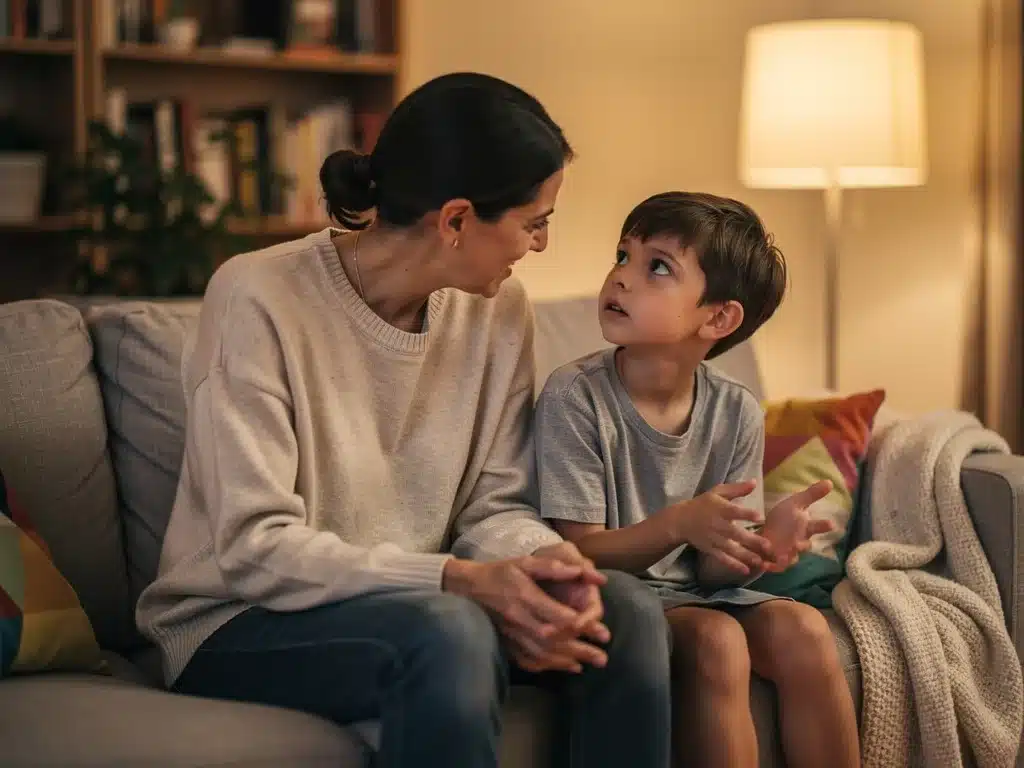
Teaching empathy involves helping children connect with others’ emotional states. When a child sees another child crying, a parent can prompt, “Look at Sarah, she seems sad. Why do you think she might be sad? What could we do to help her feel better?” These questions guide children to think about the situation from another’s point of view and consider actions that demonstrate care and concern. Such conversations are vital for building a bridge between a child’s own feelings and the feelings of others.
Activities to Build Empathy
Incorporating empathy-building activities into a child’s routine can make a significant difference in their ability to relate to others. These activities provide concrete opportunities for children to practice understanding different perspectives.
- Role-Playing Scenarios: Use dolls, puppets, or even yourselves to act out situations where characters experience different emotions. Ask your child how each character feels and why.
- Discuss Feelings in Stories and Movies: When reading or watching, pause to discuss the characters’ emotions and motivations. “How do you think the wolf felt when he couldn’t blow down the brick house?”
- Community Involvement: Engage in simple acts of kindness or community service appropriate for their age, like helping a neighbor or donating old toys. This shows them the impact of their actions on others.
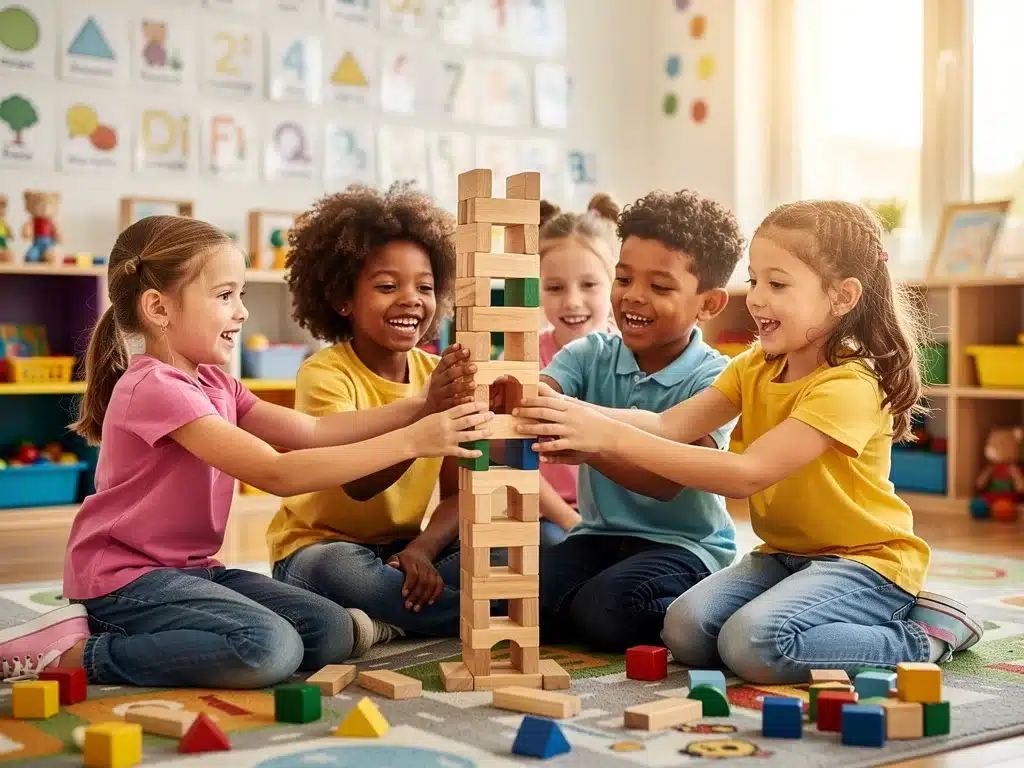
- Encourage Sharing and Cooperation: Create opportunities for children to share toys, take turns, and work together on projects. These interactions naturally require them to consider others’ needs and desires.
It’s also important to model empathetic behavior as parents. When you show understanding and compassion towards others, your child learns by example. Explaining why you are helping a friend or expressing concern for a family member provides a powerful lesson in empathy. These consistent efforts help children integrate perspective-taking into their natural way of interacting with the world.
Strategy 3: Nurturing Resilience Through Problem-Solving
Resilience is the capacity to recover quickly from difficulties; toughness. For young children, this means being able to cope with setbacks, adapt to change, and bounce back from challenges without becoming overly discouraged or giving up. Building resilience by age seven is incredibly important, as it equips children with the mental fortitude to face life’s inevitable obstacles. Instead of shielding children from all difficulties, the goal is to provide them with the tools and support to navigate those challenges effectively, transforming potential failures into learning opportunities.
A key aspect of nurturing resilience is teaching problem-solving skills. When children encounter a problem, whether it’s a broken toy or a disagreement with a friend, the instinct might be to solve it for them. However, a more empowering approach is to guide them through the process of finding their own solutions. This fosters a sense of agency and competence, showing them that they are capable of overcoming difficulties. The focus shifts from preventing problems to equipping children with the ability to manage them.
Developing Problem-Solving Skills
Encouraging a problem-solving mindset helps children develop confidence and a ‘can-do’ attitude, which are vital components of resilience. These techniques can be easily integrated into everyday interactions.
- Brainstorm Solutions Together: When a child faces a problem, ask, “What are some things we could do to fix this?” List their ideas, no matter how silly, and then help them evaluate the pros and cons of each.
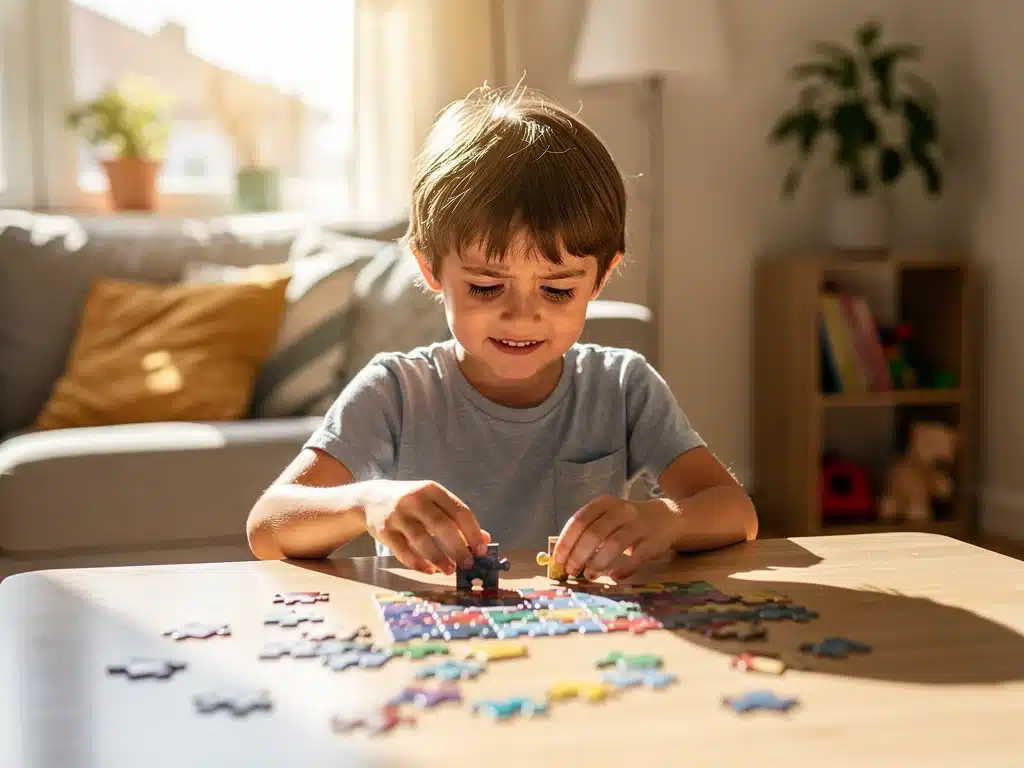
- Encourage Independent Play: Provide opportunities for open-ended play where children can encounter and solve their own small problems, such as building a complex structure or figuring out a puzzle.
- Allow for Natural Consequences (within safe limits): Sometimes, letting a child experience the natural outcome of a decision (e.g., forgetting a toy means not playing with it) teaches valuable lessons about responsibility and planning.
- Celebrate Effort, Not Just Outcome: Praise your child for trying hard, for not giving up, and for attempting different approaches, even if the final result isn’t perfect. This reinforces the value of persistence.
It’s also crucial to teach children that making mistakes is a normal part of learning. When they stumble, help them reflect on what went wrong and what they can do differently next time. This constructive feedback, coupled with unwavering support, builds a strong foundation for a resilient mindset.
Strategy 4: Promoting Self-Regulation and Coping Mechanisms
Self-regulation is the ability to manage one’s emotions, thoughts, and behaviors effectively in different situations. For children, this means learning to calm down when angry, focus attention, and resist impulsive actions. This is a critical component of emotional intelligence, as it directly impacts a child’s ability to navigate social interactions, learn in school, and maintain their overall well-being. By age seven, children are developing more sophisticated cognitive controls, making it an opportune time to explicitly teach and practice various coping mechanisms.
Helping children develop self-regulation starts with acknowledging their feelings, rather than dismissing them. When a child is experiencing a strong emotion, the first step is to validate it: “I can see you’re feeling really mad right now because you can’t have another cookie.” Once the emotion is acknowledged, you can then guide them towards a coping strategy. This process teaches children that while all feelings are okay, not all behaviors are, and there are constructive ways to deal with intense emotions.
Effective Coping Mechanisms for Young Children
Providing children with a repertoire of coping strategies empowers them to regain control when emotions feel overwhelming. These mechanisms should be simple, accessible, and practiced regularly.
- Deep Breathing Exercises: Teach children simple breathing techniques, like “smell the flower, blow out the candle,” to help calm their nervous system when feeling stressed or angry.
- “Calm Down” Corners: Designate a quiet, comfortable space where children can go when they need to regulate their emotions. This space can include soft pillows, books, or sensory toys.
- Mindful Movement: Simple stretching, yoga poses, or even just running around outside can help children release pent-up energy and regulate their bodies and minds.
- Verbalizing Feelings: Encourage children to talk about what they are feeling. “Use your words to tell me what’s bothering you.” This shifts them from reactive behavior to thoughtful communication.
Consistency is key when teaching self-regulation. Practice these strategies during calm moments so that children can access them more easily during times of distress. Over time, children will internalize these coping mechanisms, developing the ability to self-regulate independently and effectively manage their emotional responses.
The Role of Play in Emotional Development
Play is not merely a pastime for children; it is a fundamental vehicle for learning, especially when it comes to emotional development. Through play, children naturally explore social dynamics, experiment with different roles, and process complex emotions in a safe and imaginative environment. Unstructured, child-led play provides invaluable opportunities for children to practice empathy, develop self-regulation, and build resilience without the pressure of formal instruction. It’s in these moments of imaginative interaction that children truly begin to understand the nuances of emotional intelligence.
When children engage in pretend play, for instance, they often take on the perspectives of various characters, requiring them to think about how another person might feel or react. A child playing doctor might console a “sick” doll, demonstrating empathy and care. Similarly, navigating the inevitable conflicts that arise during group play—like deciding who gets to be the superhero or how to share a toy—forces children to practice negotiation, compromise, and emotional regulation. These real-time, hands-on experiences are far more impactful than abstract lessons.
Types of Play that Enhance Emotional Skills
Different forms of play offer unique benefits for fostering emotional growth. Encouraging a variety of play experiences can lead to more holistic development.
- Imaginative and Pretend Play: This type of play allows children to step into different roles, explore various emotional scenarios, and practice perspective-taking. Playing house, superheroes, or school all contribute to this.
- Cooperative Games: Board games, team sports, or group building projects teach children about rules, taking turns, winning and losing gracefully, and working together towards a common goal.
- Creative Arts: Drawing, painting, music, and dance provide outlets for emotional expression. Children can communicate feelings that they might not yet have the words for through artistic endeavors.
- Outdoor and Free Play: Unstructured time outdoors allows children to take risks, solve physical challenges, and develop independence, all of which contribute to resilience and self-confidence.
Parents can support this process by providing a rich environment for play, offering open-ended toys, and, most importantly, by stepping back and allowing children the space to explore and learn on their own. While direct intervention might sometimes be necessary to ensure safety or guide difficult interactions, often the most valuable lessons are learned when children are given the freedom to figure things out for themselves during play.
Creating an Emotionally Supportive Home Environment
The home environment plays a paramount role in shaping a child’s emotional intelligence. It serves as the primary laboratory where children learn about emotions, practice social skills, and develop their sense of self. An emotionally supportive home is one where feelings are openly acknowledged, validated, and discussed without judgment. It’s a space where children feel safe to express their full range of emotions, knowing they will be met with understanding and guidance, rather than criticism or dismissal. This foundation of psychological safety is crucial for children to develop a healthy relationship with their own feelings and those of others.
Parents are the most influential teachers in a child’s life, and their own emotional responses and behaviors serve as powerful models. When parents demonstrate empathy, manage their own stress constructively, and communicate openly about feelings, they provide a living example of emotional intelligence in action. This modeling is often more impactful than any direct instruction, as children are keen observers and imitators of the adults around them. Creating a consistent and predictable routine also contributes to emotional security, helping children feel more in control and less anxious.
Key Elements of a Supportive Home
Cultivating an emotionally supportive home involves intentional practices that foster open communication, empathy, and respect among family members.
- Active Listening: When your child speaks, especially about their feelings, give them your full attention. Listen without interrupting, and reflect back what you hear to ensure understanding.
- Validate Feelings: Instead of saying “Don’t cry,” try “I understand you’re feeling sad.” Acknowledging their emotion makes them feel seen and heard, even if you can’t solve the problem.
- Family Meetings: Regular, informal family meetings can be a space for everyone to share their highs and lows, discuss challenges, and practice active listening and problem-solving together.
- Empathy in Action: Encourage family members to show empathy towards each other. If one child is upset, guide siblings to offer comfort or understand their perspective.
- Consistent Boundaries: While fostering emotional expression, it’s also important to have clear and consistent boundaries regarding appropriate behavior. This teaches self-control and respect for others.
Ultimately, an emotionally supportive home is built on love, respect, and open communication. It’s a place where children learn that all feelings are okay, and that there are healthy ways to express and manage them. This environment nurtures their emotional intelligence, preparing them to thrive in the world beyond their home.
Long-Term Benefits of Early Emotional Intelligence
Investing in the emotional intelligence of children by age seven yields profound and lasting benefits that extend far beyond their formative years. Children who develop strong emotional skills early on are better equipped to navigate the complexities of adolescence and adulthood, leading to greater personal well-being, stronger relationships, and enhanced academic and professional success. This early foundation acts as a protective factor, helping them to cope with stress, build resilience in the face of adversity, and maintain a positive outlook on life.
Academically, children with higher emotional intelligence often demonstrate better concentration, impulse control, and motivation, all of which contribute to improved learning outcomes. They are more likely to participate actively in class, collaborate effectively with peers, and persevere through challenging subjects. Socially, these children tend to have more fulfilling friendships, are better at resolving conflicts, and exhibit greater leadership qualities. Their ability to understand and respond to the emotions of others makes them valued friends and compassionate community members.
Impact on Future Success and Well-being
The ripple effects of early emotional intelligence are evident in various aspects of a person’s life, contributing significantly to their overall happiness and societal contributions.
- Mental Health: Children with strong emotional intelligence are less prone to anxiety and depression, as they possess better coping mechanisms and self-regulation skills.
- Relationship Quality: They tend to form deeper, more meaningful connections with others, characterized by mutual understanding and respect, which is crucial for healthy adult relationships.
- Career Prospects: In the professional world, emotional intelligence is increasingly recognized as a key predictor of success, often more so than traditional IQ. Skills like teamwork, communication, and adaptability are highly valued.
- Ethical Decision-Making: An empathetic individual is more likely to consider the impact of their actions on others, leading to more ethical and responsible choices throughout their life.
Ultimately, fostering emotional intelligence in kids is an investment in their entire future. It’s about nurturing well-rounded individuals who are not only smart but also kind, resilient, and capable of contributing positively to the world. The strategies implemented in these crucial early years set the stage for a lifetime of emotional well-being and success, making it one of the most valuable gifts a parent can give their child.
| Key Strategy | Brief Description |
|---|---|
| Emotional Vocabulary | Help children identify and name a wide range of emotions to enhance self-awareness and communication. |
| Fostering Empathy | Encourage perspective-taking through discussions, role-playing, and community involvement. |
| Nurturing Resilience | Guide children in problem-solving and celebrate effort to help them bounce back from setbacks. |
| Self-Regulation | Teach and practice coping mechanisms like deep breathing and designated calm-down spaces. |
Frequently Asked Questions About Emotional Intelligence in Kids
Emotional intelligence for kids is their ability to understand, manage, and express their own emotions, while also recognizing and responding to the feelings of others. It involves skills like self-awareness, self-regulation, empathy, and social skills, crucial for navigating social interactions and personal growth.
The period up to age seven is critical for brain development, making children highly receptive to learning emotional and social skills. Establishing a strong emotional foundation early helps children develop resilience, better relationships, and academic readiness for future challenges.
You can teach emotional vocabulary by reading emotion-themed books, using feeling charts, modeling your own emotional expressions, and playing games that involve identifying different emotions. This helps children articulate their feelings more precisely.
To build empathy, engage in role-playing, discuss characters’ feelings in stories, encourage community involvement through simple acts of kindness, and promote sharing and cooperation during play. These activities help children consider others’ perspectives.
Play is crucial for emotional development as it allows children to explore social dynamics, practice empathy, and process emotions in a safe, imaginative way. Unstructured play, cooperative games, and creative arts all provide opportunities for skill development.
Conclusion
The journey of fostering emotional intelligence in kids, particularly by nurturing empathy and resilience by the tender age of seven, is one of the most invaluable investments parents and caregivers can make. By consciously implementing strategies such as expanding emotional vocabulary, encouraging perspective-taking, building problem-solving skills, and teaching self-regulation, we equip children with a powerful toolkit for life. These foundational skills not only enhance their immediate well-being and social interactions but also lay the groundwork for their future success, mental health, and capacity to contribute meaningfully to society. An emotionally intelligent child is a conscious child, ready to navigate the world with confidence, compassion, and an admirable ability to bounce back from adversity, truly embodying the spirit of transformation and growth.