Future of Urban Living: U.S. City Trends Next Decade
Advertisements
The future urban living in U.S. cities over the next decade will be defined by evolving social dynamics, technological integration, and a profound shift towards sustainability and resilience in the face of environmental and economic challenges.
The landscape of American cities is in constant flux, a dynamic canvas reflecting societal shifts, technological advancements, and evolving priorities. As we look ahead to the next decade, the concept of future urban living is poised for transformative changes. From how we commute and inhabit spaces to how communities interact and thrive, U.S. cities are at the cusp of an exciting evolution. This article delves into five pivotal trends that will fundamentally reshape urban life, offering a comprehensive analysis of the forces at play and their potential impacts on residents and city planners alike. Prepare to explore the innovations and challenges defining the next era of city dwelling.
Advertisements
The Rise of Hyper-Localism and 15-Minute Cities
The concept of hyper-localism is gaining significant traction, challenging the traditional urban planning model where long commutes were often a given. This trend, often encapsulated by the ’15-minute city’ ideal, advocates for a paradigm where residents can access all essential services and amenities—work, school, shopping, healthcare, and recreation—within a short walk or bike ride from their homes. It’s a vision that prioritizes convenience, community, and reduced reliance on personal vehicles.
This shift is not merely about proximity; it’s about fostering stronger community bonds and enhancing the quality of daily life. By bringing essential services closer to residents, cities aim to create more vibrant, pedestrian-friendly neighborhoods. This can lead to increased social interaction, a reduction in traffic congestion and pollution, and a greater sense of belonging among residents. The emphasis is on building self-sufficient micro-communities that contribute to the overall resilience and livability of the larger urban area.
Reimagining Urban Design
Achieving the 15-minute city ideal requires a fundamental rethinking of urban design and zoning regulations. Cities must move away from single-use zoning towards mixed-use developments that integrate residential, commercial, and public spaces. This involves strategic planning to ensure a balanced distribution of resources and opportunities across all neighborhoods.
- Mixed-Use Zoning: Encouraging developments that combine housing, retail, and offices in single buildings or blocks to reduce travel time.
- Pedestrian and Bicycle Infrastructure: Investing in safe, accessible pathways and bike lanes to promote active transportation.
- Community Hubs: Creating central gathering places like parks, plazas, and community centers that serve as focal points for neighborhood activities.
- Local Business Support: Fostering an environment where small, independent businesses can thrive, providing unique goods and services.
The implementation of hyper-localism presents both opportunities and challenges. While it promises increased convenience and sustainability, careful planning is crucial to avoid creating isolated enclaves or exacerbating existing inequalities. Equitable access to amenities and affordable housing within these localized zones will be paramount to ensuring the benefits are shared by all residents. The goal is to build cohesive urban fabric, not fragmented pockets.
Ultimately, the move towards hyper-localism signifies a re-evaluation of what makes a city truly livable. It’s an acknowledgment that while scale and connectivity are important, the immediate environment and daily experience of residents hold immense value. This trend will undoubtedly shape how U.S. cities grow and develop over the next decade, prioritizing human-centric design and fostering stronger, more resilient communities.
Sustainable Infrastructure and Green Urbanism
As climate change continues to pose significant threats, U.S. cities are increasingly turning to sustainable infrastructure and green urbanism as foundational elements of their future planning. This trend encompasses a wide range of initiatives aimed at reducing environmental impact, enhancing ecological health, and building resilience against climate-related challenges. The focus is on integrating nature into the urban fabric and developing systems that operate efficiently with minimal resource consumption.
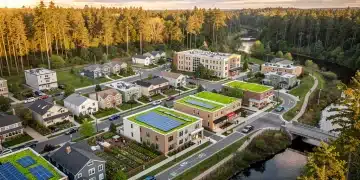
Sustainable infrastructure involves more than just renewable energy; it extends to water management, waste reduction, and the creation of eco-friendly building materials. Cities are investing in smart grids, advanced public transportation networks, and circular economy principles to minimize their carbon footprint. Green urbanism, on the other hand, emphasizes elements like urban forests, green roofs, vertical farms, and permeable surfaces that help manage stormwater, improve air quality, and provide vital ecosystem services.
Innovative Green Technologies
The adoption of innovative green technologies is central to this paradigm shift. From advanced recycling facilities to smart irrigation systems, technology is enabling cities to operate more sustainably. The integration of sensors and data analytics allows for optimized resource allocation and proactive environmental management, making urban environments more responsive to ecological needs.
- Smart Water Management: Utilizing sensors and data to detect leaks, optimize irrigation, and manage stormwater runoff more effectively.
- Renewable Energy Integration: Expanding solar panel installations, wind farms, and geothermal systems to power urban infrastructure.
- Waste-to-Energy Solutions: Converting municipal waste into usable energy, reducing landfill dependency and generating clean power.
- Urban Farming Initiatives: Developing community gardens, rooftop farms, and vertical farms to increase local food production and reduce transportation emissions.
The benefits of sustainable infrastructure and green urbanism extend beyond environmental protection. These initiatives often lead to economic advantages through job creation in green sectors, reduced utility costs, and increased property values in eco-friendly neighborhoods. Furthermore, green spaces have been shown to improve public health by reducing stress, encouraging physical activity, and mitigating the urban heat island effect.
However, implementing these changes requires substantial investment and complex coordination among various stakeholders. Cities must overcome challenges such as funding limitations, regulatory hurdles, and public engagement to successfully transition to a greener, more sustainable future. Despite these obstacles, the imperative to create resilient and environmentally responsible urban spaces is driving significant innovation and commitment across the United States, promising a healthier and more viable future for city dwellers.
The Digital Transformation of Urban Spaces: Smart Cities
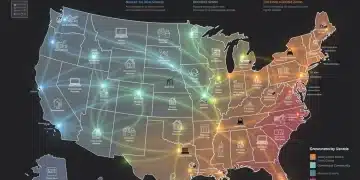
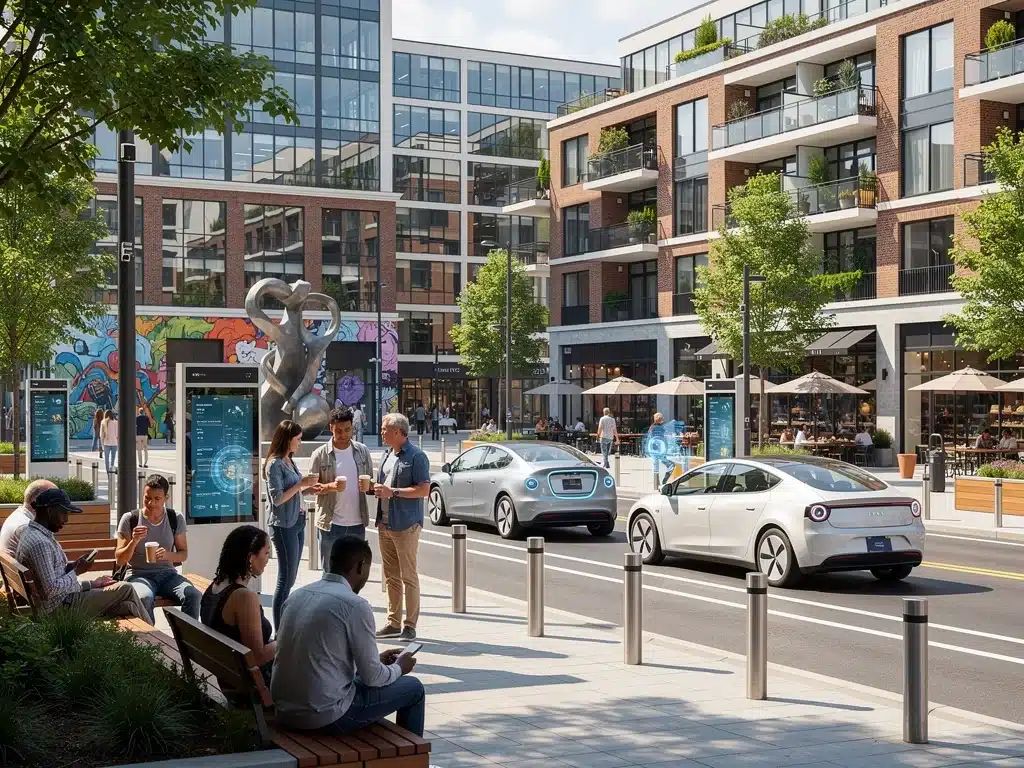
The concept of smart cities, once a futuristic dream, is rapidly becoming a tangible reality across the U.S. This transformation involves the comprehensive integration of digital technology and data analysis into urban infrastructure and services to improve efficiency, sustainability, and the quality of life for residents. From intelligent traffic management systems to interconnected public services, smart cities leverage the power of information to create more responsive and effective urban environments.
At its core, a smart city uses an extensive network of sensors, cameras, and other data-gathering devices to collect real-time information about various aspects of urban life. This data is then analyzed to identify patterns, predict needs, and inform decision-making, allowing city administrators to manage resources more effectively and address challenges proactively. The goal is to optimize everything from energy consumption and waste management to public safety and transportation flow, making cities more livable and efficient.
Key Components of Smart City Development
The development of smart cities involves several interconnected components, each contributing to the overall intelligence and responsiveness of the urban system. These components often rely on robust digital infrastructure, including high-speed internet and secure data networks, to function seamlessly.
- Smart Mobility: Implementing intelligent transportation systems, real-time public transit information, and autonomous vehicle integration to reduce congestion and improve commute times.
- Connected Public Services: Enhancing services like street lighting, waste collection, and emergency response through sensor-based monitoring and automated systems.
- Digital Citizen Engagement: Utilizing platforms and apps to facilitate communication between residents and city government, allowing for easier reporting of issues and access to information.
- Data-Driven Urban Planning: Using big data analytics to inform zoning decisions, infrastructure projects, and resource allocation, leading to more strategic development.
While the benefits of smart cities are numerous, including increased efficiency, reduced costs, and improved public safety, there are also significant challenges to address. Concerns around data privacy, cybersecurity, and the potential for digital divides must be carefully managed. Ensuring that smart city initiatives are inclusive and benefit all residents, regardless of socioeconomic status, is crucial for equitable urban development.
The digital transformation of urban spaces is not just about technology; it’s about creating a more adaptive and resilient urban ecosystem. By harnessing data and connectivity, U.S. cities are poised to become more dynamic, sustainable, and responsive to the evolving needs of their populations, ultimately enhancing the quality of urban living for generations to come.
Affordable Housing Crisis and Innovative Solutions
The affordable housing crisis remains one of the most pressing challenges facing U.S. cities, impacting residents across all income levels and hindering urban growth. Rising housing costs, stagnant wages, and limited housing supply have created a complex problem that demands innovative and multi-faceted solutions. Addressing this crisis is not just about providing shelter; it’s about ensuring economic stability, social equity, and the overall health of urban communities.
The roots of the crisis are deep, stemming from a combination of factors including restrictive zoning laws, speculative real estate markets, and insufficient investment in affordable housing initiatives. Many cities are experiencing a severe shortage of housing units that are affordable to low and middle-income earners, leading to displacement, increased homelessness, and longer commutes as people are forced to live further from their workplaces. This situation disproportionately affects marginalized communities and exacerbates existing social inequalities.
Emerging Housing Strategies
In response, cities and developers are exploring a variety of innovative strategies to increase the supply of affordable housing and make urban living more accessible. These solutions often involve a departure from traditional development models, embracing new technologies and policy frameworks to create more diverse and cost-effective housing options.
- Modular and Prefabricated Construction: Utilizing factory-built components to speed up construction time and reduce costs, making housing more affordable.
- Accessory Dwelling Units (ADUs): Encouraging homeowners to build secondary units on their property, increasing housing density and offering rental income opportunities.
- Land Value Taxation: Implementing policies that tax the value of land rather than improvements, potentially incentivizing development and reducing speculative holding of vacant land.
- Community Land Trusts: Non-profit organizations that acquire and hold land permanently to ensure long-term affordability of housing and other community assets.
Beyond these approaches, cities are also re-evaluating zoning regulations to permit higher density development, encouraging transit-oriented developments, and exploring inclusionary zoning policies that mandate a certain percentage of affordable units in new projects. Public-private partnerships are becoming increasingly crucial in leveraging resources and expertise to scale up affordable housing initiatives. The effectiveness of these solutions varies, and a combination of strategies tailored to the specific needs of each city is often required.
Solving the affordable housing crisis will require sustained commitment and collaboration from all levels of government, private developers, and community organizations. The success of U.S. cities in the next decade will largely depend on their ability to create inclusive urban environments where all residents have access to safe, stable, and affordable housing, fostering equitable growth and prosperity.
Resilient Cities: Adapting to Climate Change and Disasters
The growing frequency and intensity of climate-related disasters, from extreme weather events to rising sea levels, are forcing U.S. cities to prioritize resilience as a core component of urban planning. Building resilient cities means developing the capacity to withstand, adapt to, and recover quickly from shocks and stresses, ensuring the continuity of essential services and the well-being of residents. This trend goes beyond mitigation; it’s about proactive adaptation and strategic preparedness.
Cities are realizing that simply reacting to disasters is no longer sufficient. A comprehensive approach to resilience involves assessing vulnerabilities, investing in protective infrastructure, developing robust emergency response plans, and fostering community preparedness. This includes everything from upgrading stormwater systems to handle heavier rainfall to establishing early warning systems for natural hazards. The goal is to minimize damage, protect lives, and ensure a swift return to normalcy after disruptive events.
Strategies for Urban Resilience
Developing urban resilience requires a multi-faceted approach that integrates environmental, social, and economic considerations. Cities are adopting innovative strategies to protect their infrastructure, ecosystems, and communities from future shocks, making them more robust and adaptable.
- Climate-Resilient Infrastructure: Designing and upgrading infrastructure (e.g., roads, bridges, utilities) to withstand extreme weather conditions and sea-level rise.
- Nature-Based Solutions: Implementing green infrastructure like wetlands, protective dunes, and urban forests to naturally mitigate flood risks and improve ecological health.
- Community Preparedness Programs: Educating residents and establishing networks for mutual aid and support during emergencies, enhancing social cohesion.
- Early Warning Systems: Deploying advanced technologies to detect and predict natural hazards, providing timely alerts to residents and emergency services.
The economic implications of building resilient cities are substantial, but the cost of inaction is often far greater. Investments in resilience can prevent billions of dollars in damages, reduce insurance costs, and maintain economic stability in the face of disruptions. Furthermore, resilient cities are more attractive to businesses and residents, fostering long-term growth and prosperity.
However, achieving urban resilience is a continuous process that requires ongoing investment, adaptive planning, and strong governance. It involves close collaboration between government agencies, private sector partners, and community organizations to identify risks, implement solutions, and build a culture of preparedness. U.S. cities are increasingly recognizing that resilience is not an option but a necessity for thriving in an unpredictable future, making it a defining trend for the next decade.
Evolving Workforce and the Future of Urban Commuting
The dynamics of work have undergone a profound transformation, accelerated by technological advancements and recent global events. This evolution is directly impacting urban commuting patterns and reshaping how city dwellers interact with their work environments. The traditional 9-to-5 office paradigm is giving way to more flexible models, influencing everything from public transportation needs to the design of urban spaces.
Remote work arrangements, hybrid schedules, and the rise of the gig economy are fundamentally altering peak hour traffic, reducing daily commutes for many, and shifting demand for office space. This doesn’t mean the end of the office, but rather a redefinition of its purpose—from a mandatory daily destination to a collaborative hub for innovation and social connection. As a result, cities are grappling with how to adapt their infrastructure and services to these new realities, ensuring efficient and sustainable mobility for an increasingly diverse workforce.
Redefining Urban Mobility
The evolving workforce necessitates a re-evaluation of urban mobility strategies. Cities are looking beyond traditional public transit systems to embrace a multimodal approach that integrates various forms of transportation, making commutes more flexible, efficient, and environmentally friendly.
- Expanded Public Transit: Investing in faster, more reliable, and more extensive public transportation networks to serve evolving commuter needs.
- Micro-Mobility Solutions: Promoting electric scooters, bicycles, and ride-sharing services as viable options for short-distance travel within urban centers.
- Autonomous Vehicles: Preparing for the eventual integration of autonomous vehicles into public and private transportation systems, potentially revolutionizing traffic flow and parking.
- Transit-Oriented Development: Designing urban areas where residential and commercial spaces are concentrated around public transit hubs, reducing reliance on personal cars.
The shift in commuting patterns also presents an opportunity for cities to reclaim urban space previously dedicated to parking lots and wide roadways. These areas can be repurposed for green spaces, pedestrian zones, or affordable housing, contributing to a more livable and sustainable urban environment. However, challenges remain in ensuring equitable access to these evolving mobility options and adapting existing infrastructure to new technologies.
The future of urban commuting is not just about moving people; it’s about connecting communities and supporting economic vitality in a flexible and sustainable manner. U.S. cities that successfully adapt to the evolving workforce dynamics will be better positioned to attract talent, foster innovation, and enhance the overall quality of life for their residents in the coming decade, making urban living more dynamic and less constrained by the daily grind.
Community-Centric Development and Social Equity
At the heart of future urban living is a growing emphasis on community-centric development and social equity. This trend recognizes that vibrant cities are built on strong, inclusive communities where all residents have opportunities to thrive, regardless of their background or socioeconomic status. It challenges traditional top-down planning approaches, advocating instead for processes that actively involve residents in shaping their neighborhoods and city’s future.
Community-centric development prioritizes the needs and aspirations of local populations, ensuring that urban growth benefits everyone and does not lead to displacement or marginalization. This involves fostering diverse and affordable housing options, providing equitable access to public services, green spaces, and cultural institutions, and actively working to dismantle systemic barriers that perpetuate inequality. The goal is to build cities where social cohesion and well-being are as important as economic prosperity.
Fostering Inclusive Urban Spaces
Creating inclusive urban spaces requires intentional design and policy choices that promote diversity, accessibility, and participation. It’s about ensuring that urban development decisions reflect the varied needs of a city’s population and contribute to a more just society.
- Participatory Planning: Engaging residents in the planning and decision-making processes for local development projects, ensuring their voices are heard.
- Equitable Access to Amenities: Strategically locating parks, community centers, healthcare facilities, and educational institutions to serve all neighborhoods fairly.
- Cultural Preservation: Supporting and celebrating the diverse cultural heritage of urban communities, preventing gentrification from eroding local identity.
- Affordable and Diverse Housing: Implementing policies and programs that create a range of housing options affordable to people across all income brackets.
The pursuit of social equity in urban development also involves addressing historical injustices and systemic inequalities. This includes initiatives to improve educational outcomes in underserved neighborhoods, expand access to job training and economic opportunities, and ensure fair and unbiased law enforcement. It’s a holistic approach that recognizes the interconnectedness of social, economic, and environmental factors in shaping urban life.
While challenging, the move towards community-centric development and social equity is essential for the long-term health and stability of U.S. cities. By investing in their people and fostering inclusive environments, cities can unlock their full potential, creating spaces where everyone feels a sense of belonging and has the opportunity to contribute to a shared future. This trend is not just about building better cities, but about building better societies within those cities.
| Key Trend | Brief Description |
|---|---|
| Hyper-Localism | Creating 15-minute cities where essential services are accessible by walk/bike, fostering community. |
| Green Urbanism | Integrating sustainable infrastructure and nature-based solutions for environmental resilience. |
| Smart Cities | Leveraging digital technology and data for improved efficiency, services, and quality of life. |
| Affordable Housing | Innovative solutions like modular construction and ADUs to combat the housing crisis. |
Frequently Asked Questions About Future Urban Living
The 15-minute city concept is an urban planning idea where residents can meet all their essential needs—work, shopping, education, health, and leisure—within a 15-minute walk or bike ride from their homes. It aims to reduce commutes, strengthen local communities, and promote sustainable living.
Smart city technology will enhance daily life through optimized traffic flow, improved public safety with smart surveillance, more efficient waste management, and personalized public services. Real-time data will make urban environments more responsive and convenient for residents, leading to a smoother urban experience.
The main challenges include restrictive zoning laws, high construction costs, speculative real estate markets, and limited government funding for affordable housing initiatives. These factors combine to create a severe shortage of housing units accessible to low and middle-income individuals and families.
U.S. cities are building resilience through climate-adapted infrastructure, nature-based solutions like wetlands, robust early warning systems for natural disasters, and community preparedness programs. These efforts aim to protect urban areas from extreme weather and environmental changes, ensuring long-term stability.
Yes, remote and hybrid work models are expected to permanently alter urban commuting patterns by reducing daily peak hour traffic and shifting demand for traditional office spaces. This will lead to more flexible transportation options and the repurposing of urban areas previously dedicated to commuting infrastructure.
Conclusion
The trajectory of urban living in U.S. cities over the next decade is one of profound transformation, driven by an intricate interplay of social, technological, and environmental forces. The five trends explored—hyper-localism, sustainable infrastructure, smart city development, the affordable housing crisis, and urban resilience—are not isolated phenomena but rather interconnected elements shaping a more dynamic, sustainable, and equitable urban future. Cities are evolving into adaptive ecosystems, prioritizing human well-being, ecological balance, and technological integration. While challenges such as equitable access and funding remain, the commitment to innovation and community-centric planning offers a promising outlook. By embracing these shifts, U.S. cities can foster environments where residents thrive, economies flourish, and communities are better prepared for the uncertainties of tomorrow, redefining the very essence of urban life.