
How Toniebox Works and What Parents Should Check
Advertisement
The Toniebox audio player operates as a screen-free audio system that uses small, hand-painted figurines equipped with radio frequency identification chips to trigger spoken stories and songs through an internal speaker. This device helps parents introduce audio entertainment to toddlers and young children without exposing them to digital screens, though it requires an initial internet connection and ongoing purchases of proprietary figurines to expand the content library.
Understanding the balance between independent child play and technical setup is essential for families evaluating this audio platform. While the physical hardware is designed for straightforward handling by small hands, the system depends on specific household network standards, cloud-based parental management tools, and continuous investment that parents should examine carefully before bringing the unit into their home.
How the Toniebox audio system functions
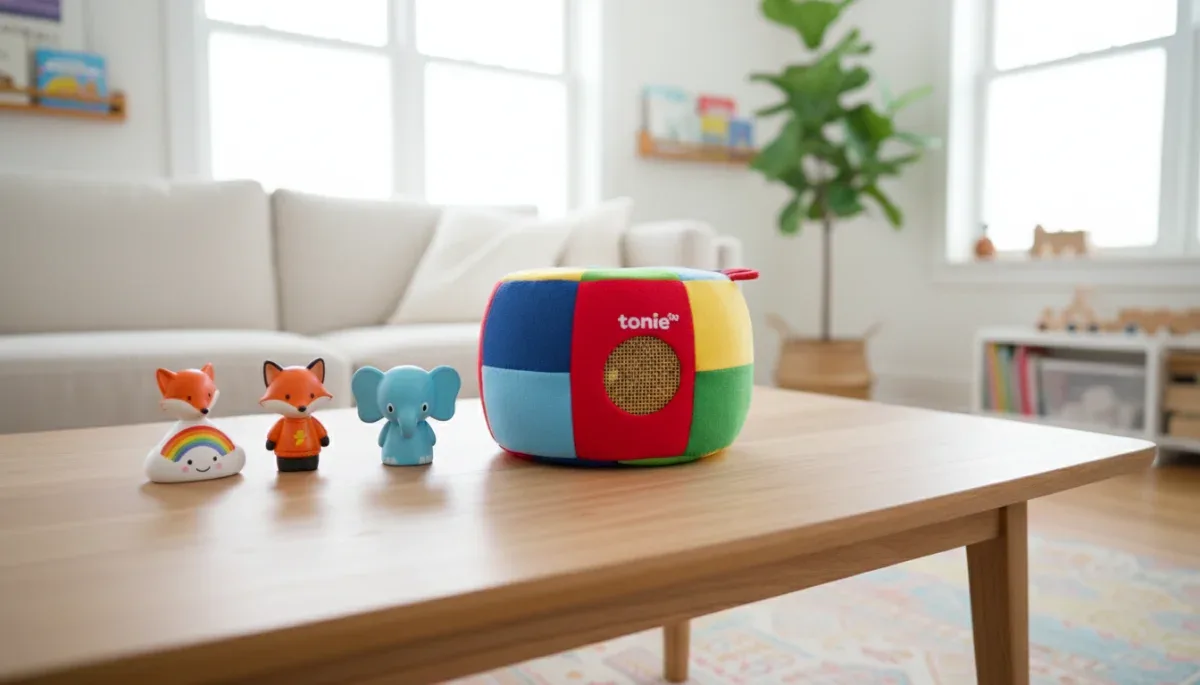
At its core, the Toniebox audio player consists of a cushioned, water-repellent fabric cube with an integrated speaker, internal rechargeable battery, headphone jack, and an embedded radio frequency identification reader beneath its top surface. When a child places a compatible figurine, known as a Tonie, on the top panel, an integrated magnetic base secures the figurine in place. The internal reader immediately detects the unique identifier transmitted by the chip inside the base of the character.
Advertisement
If the box has never encountered that specific figurine before, it uses an active home wireless connection to communicate with the central Tonies cloud server. The audio file associated with that character downloads directly onto the internal flash memory storage of the box. An indicator light located on the top of the device illuminates during this download process. Once the full audio file finishes downloading, the indicator turns solid green, signifying that the content is completely stored locally and ready for playback without an ongoing internet connection.
The internal flash storage holds approximately four hundred hours of content, depending on audio file sizes. Because content remains stored on the physical device, children can bring the cube into backyards, vehicles, or areas without wireless internet and continue listening as long as the battery retains power. Removing the figurine instantly pauses the playback, while replacing it on the magnetic pad resumes the narrative from the exact second it stopped.
Home network and setup requirements
Initial configuration of the Toniebox audio player requires an adult to configure the hardware using a modern smartphone, tablet, or web browser. The setup process links the specific hardware serial number to a registered household account on the official Tonies platform. While the companion software guides users through connecting the device to residential internet, parents should verify their router configurations before beginning the process.
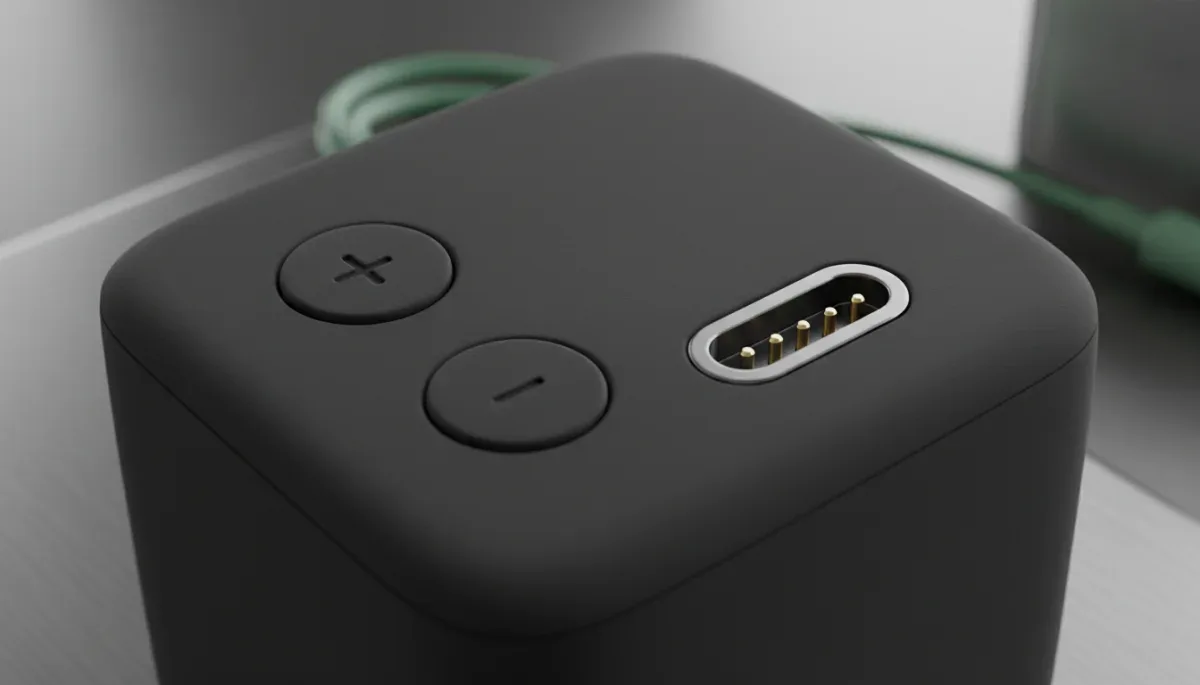
The hardware is engineered to function exclusively on standard two-point-four gigahertz wireless frequencies. Many contemporary residential routers utilize dual-band or mesh systems that automatically merge two-point-four gigahertz and five gigahertz frequencies under a single network name. This can occasionally cause connection conflicts during initial pairing unless the router permits temporary separation of frequency bands. Furthermore, the player cannot navigate public captive portal networks, such as those used in hotels, airports, or universities that demand a web browser click-through agreement.
Essential technical checks before setting up
- Verify that your home wireless network supports a dedicated 2.4 GHz band.
- Ensure access to a web browser or the official smartphone application to link hardware to your account.
- Complete the download of all new figurines on home Wi-Fi before taking the box on trips.
- Keep the proprietary charging base within reach of an accessible household electrical wall outlet.
Once linked to the home network, routine operation does not require interacting with the setup assistant again. The box retains network access credentials and reconnects automatically whenever new figurines require an initial content download. However, families relocating between residences or taking the unit to a secondary home will need to repeat the connection process for each distinct network name.
Audio controls and child usability
The user interface of the Toniebox audio player is deliberately tactile, designed to allow young children who cannot yet read to operate the system independently. The primary volume controls resemble two triangular ears located on top of the soft cube. Squeezing the larger silicone ear raises the volume incrementally, while squeezing the smaller ear lowers the volume until the audio silences completely.
Track navigation relies on an internal accelerometer rather than standard physical buttons. Tapping or firmly slapping the left side of the soft cube skips backward to the previous chapter or song, while tapping the right side skips forward to the subsequent track. Fast-forwarding and rewinding through individual audio tracks is achieved by tilting the cube approximately forty-five degrees to either side while the figurine rests firmly in position.
Because these physical gestures require a degree of gross motor coordination, toddlers may initially require parental modeling to understand how firmly to tap the cushioned sides. The soft outer foam padding protects the internal electronic components from accidental drops, tumbling off low tables, and standard handling by small children. The base of the player features a circular indent that docks onto the included charging plate, allowing children to place the unit onto the charger without needing to handle exposed pins or fragile cables.
Content library and figurine options
The content ecosystem for the Toniebox audio player separates into two distinct categories: preloaded content characters and recordable figurines known as Creative-Tonies. Preloaded figurines feature licensed characters from major children's entertainment franchises, classic fairy tales, educational nonfiction themes, and collections of popular nursery rhymes. Each preloaded character carries fixed, non-editable audio content that ranges between twenty and ninety minutes of total runtime.
Creative-Tonies offer a flexible alternative by providing ninety minutes of blank digital audio storage on the company cloud. Parents, grandparents, and caregivers can upload personal audio tracks using the official companion application or a web browser dashboard. Uploaded materials may include custom voice recordings of family members reading storybooks, personal audio greetings, or purchased digital audio files in compatible formats like MP3.
Ways parents utilize recordable figurines
- Recording distant family members reading classic picture books aloud for bedtime routines.
- Uploading high-quality audio files of age-appropriate podcasts and educational talks.
- Compiling customized playlists of soothing classical music or gentle white noise for sleep environments.
- Sharing voice memos and encouraging daily messages while traveling away from home.
Managing Creative-Tonies requires an adult to log in to the household dashboard to assign, rearrange, or delete audio files. Once the audio track changes are saved in the cloud portal, placing the Creative-Tonie onto the Wi-Fi-connected cube updates the physical unit. The box synchronizes with the remote servers and downloads the revised track list to its local memory cache.
Managing screen-free listening and parental settings
While the hardware itself is devoid of screens and menus, parents retain administrative control through the companion digital platform. Within the official smartphone application or desktop portal, caregivers can adjust operational limits to match household safety standards and daily family schedules. The most critical setting for many parents is the hardware volume limiter.
The maximum decibel level of the internal speaker can be capped from within the digital dashboard. Parents can set distinct volume ceilings for the built-in speaker and the auxiliary three-point-five millimeter headphone port. Restricting the maximum volume provides hearing protection when children use headphones in quiet spaces or bedroom environments. Once set, a brief connection to the home network applies these preferences permanently to the physical hardware.
The digital management system also allows parents to adjust the brightness of the small LED status light on the top panel. For children who use the audio player as a nightlight or sleep companion, lowering the indicator brightness prevents unwanted illumination during naptime or evening hours. Additionally, parents can restrict content assignment rights so that only designated administrative accounts can alter the contents of recordable characters.
Ongoing costs and practical limitations
While the physical build quality of the Toniebox audio player emphasizes long-term durability, the platform operates on a closed proprietary business model. Content playback depends strictly on the purchase of individual figurines. At the time of writing, starter sets that include the audio box, one figurine, and a charging base generally retail between eighty and one hundred dollars in the United States, while individual preloaded characters generally retail between fifteen and twenty dollars each.
Building a diverse library of stories and songs requires ongoing capital investment. Unlike standard Bluetooth speakers or open tablet computers, the player cannot stream music from general subscription services such as Spotify, Apple Music, or public library digital lending applications. Families seeking broad access to vast audio catalogs without purchasing physical plastic figurines may find this proprietary restriction economically limiting over multiple years.
Physical space and storage must also be considered. As a family accumulates figurines, keeping the small character toys organized and accessible without misplacing them becomes an ongoing household task. If a child misplaces a specific figurine, the audio content tied to that character cannot be played on the physical box until the toy is found, even though the digital file remains safely stored in the internal memory.
At a glance
| Factor | What to know |
|---|---|
| Connectivity requirement | Operates exclusively on 2.4 GHz wireless networks during initial setup and content downloading. |
| Audio source model | Requires proprietary figurines containing RFID chips rather than standard digital audio streaming services. |
| Parental safety controls | Maximum speaker and headphone volume levels are customizable through an official web application. |
| Portability capacity | Stores up to 400 hours locally to provide uninterrupted playback without continuous internet access. |
Frequently asked questions
Can a Toniebox work without a Wi-Fi connection?
Yes, the box plays previously downloaded audio files entirely offline. Internet access is only necessary during the initial hardware registration and whenever a new figurine is placed on the device for the first time to download its audio files to local storage.
How long does the internal rechargeable battery last?
The manufacturer rates the integrated battery for up to seven hours of continuous audio playback depending on volume level. Recharging is accomplished by placing the cube onto its circular base station, which connects to standard domestic electrical outlets.
Are parents able to limit the player maximum volume?
Yes, maximum volume thresholds can be capped through the official Tonies application. Caregivers can set separate decibel ceilings for the integrated speaker and the headphone jack to safeguard child hearing during close-range or headphone listening sessions.
Can standard audiobooks or family recordings be played?
Yes, Creative-Tonies allow families to upload ninety minutes of custom audio files through the companion portal. Users can upload standard audio files such as MP3s or record spoken voice messages directly within the smartphone software for immediate playback on the box.
The bottom line
The Toniebox delivers an intuitive, screen-free listening experience that empowers young children to control stories and music through durable physical figurines and motion gestures. While the offline reliability and robust build appeal to families seeking alternatives to tablet displays, the system requires an initial two-point-four gigahertz wireless connection and ongoing investment in proprietary characters. Before purchasing, verify that your home router allows a dedicated two-point-four gigahertz network setup and that the ongoing cost of individual figurines aligns with your household entertainment budget.
Written by
Lucas Bastos
Lucas Bastos writes about societal shifts for portalreborn.com. Each article explains how things work, compares published details such as prices, policies and program rules, and points readers to the official source before they decide.