
How sensory play kits work and what safety labels mean
Advertisement
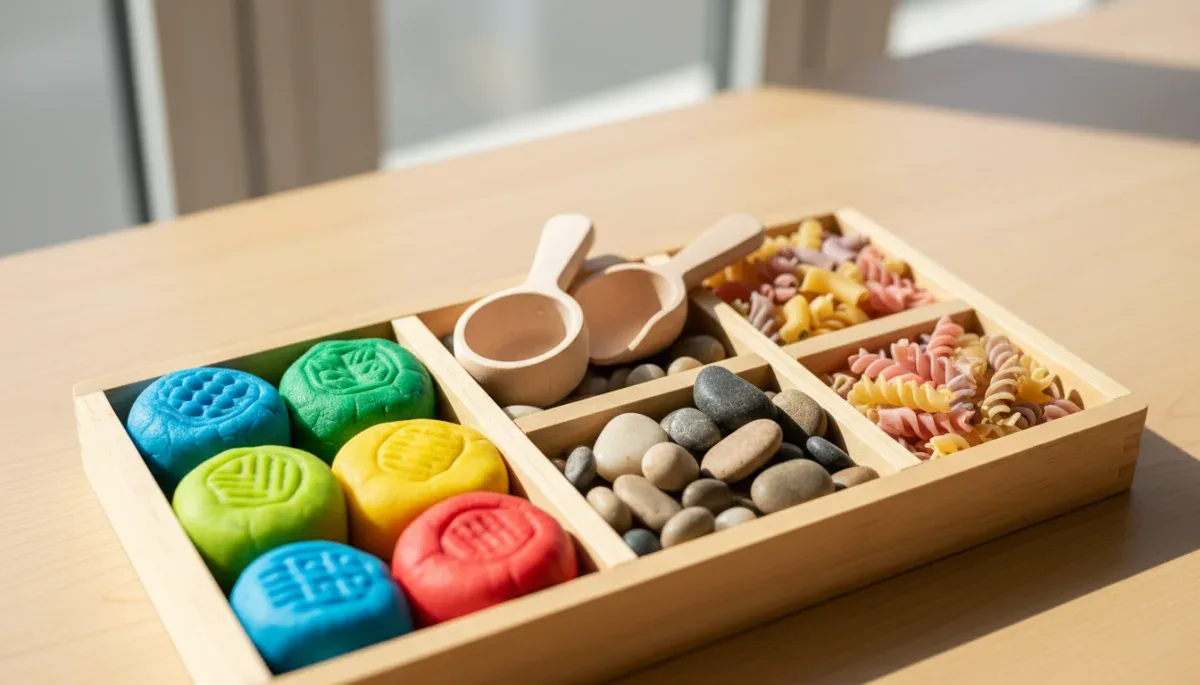
Sensory play kits work by providing curated materials that stimulate a child's senses of touch, sight, sound, and movement, while mandatory safety labels indicate whether those components comply with federal injury-prevention standards. These kits typically contain a primary base material, such as modeling dough, sand, or dried legumes, alongside manipulatives like scoops, tweezers, and figurines that invite unstructured tactile investigation.
Understanding these materials helps parents and caregivers select tools that match a child's physical dexterity and cognitive stage, though the primary challenge involves distinguishing between legal safety cutoffs and developmental milestones. While marketing descriptions emphasize creative freedom, packaging labels exist to define absolute physical and chemical limits established by consumer protection authorities.
How sensory kits stimulate developmental pathways
Sensory play kits are packaged collections of loose parts and textures designed to encourage open-ended exploration without prescribed outcomes. When children interact with distinct textures, their brains process input through multiple sensory systems simultaneously. The primary sensory channels engaged include the tactile system, which registers pressure, temperature, and texture; the proprioceptive system, which governs body awareness and the force needed to manipulate objects; and the visual system, which detects contrast, color, and spatial boundaries.
Advertisement
Manipulating loose sensory components strengthens fine motor control and bilateral coordination. Pinching small objects between the thumb and forefinger strengthens the pincer grasp, an essential precursor to writing, buttoning clothing, and using utensils. Scooping, pouring, and transferring materials from one container to another requires sustained hand-eye coordination and spatial judgment, prompting children to adjust their physical output based on the weight and fluid movement of the specific base material.
Key components found in commercial sensory sets
- Primary tactile bases: Bulk substances such as dyed rice, moldable sand, beeswax compound, or natural clay that provide resistance and surface variation.
- Graduated tools: Child-sized tongs, wooden spoons, measuring scoops, and rolling pins designed to challenge grip strength and dexterity.
- Thematic loose parts: Smooth stones, resin shapes, wooden rings, and miniature figures that promote sorting, patterning, and imaginative narrative building.
Beyond motor mechanics, these kits support self-regulation by offering repetitive, rhythmic motor feedback. Squeezing dense dough or sifting loose grains provides calming proprioceptive input that can help young children reset after sensory overstimulation in other environments. Because there is no singular correct method to manipulate the materials, children experience reduced performance pressure, allowing cognitive resources to focus entirely on physical cause-and-effect relationships.
Federal regulations and ASTM standards
In the United States, commercial sensory play kits sold for children aged twelve and younger must satisfy stringent safety criteria enforced by the Consumer Product Safety Commission (CPSC). The foundational standard governing these products is ASTM F963, a comprehensive federal specification that details mechanical, physical, and chemical requirements for children's toys. When a manufacturer places an ASTM compliance mark on a box, it legally asserts that third-party testing has verified the absence of specific mechanical hazards, structural defects, and harmful residues.
The mechanical evaluation defined in ASTM F963 tests how components behave during expected use and foreseeable abuse. Laboratory technicians subject sensory tools and figurines to drop tests, torque tests, tension tests, and compression tests. These simulations ensure that plastic tools do not shatter into sharp shards, that small decorative attachments do not detach under moderate pulling forces, and that containers do not crack to expose dangerous edges when dropped onto hard surfaces from standard table heights.
Chemical safety constitutes another mandatory testing area under federal law. The Consumer Product Safety Improvement Act (CPSIA) imposes strict limits on the presence of lead and specified phthalates in all children's products. Lead content in accessible substrates must remain below 100 parts per million, while paint and surface coatings cannot exceed 90 parts per million. Phthalates, which are chemical plasticizers historically used to soften vinyl and plastics, are prohibited above 0.1 percent for eight distinct chemical formulations. Official laboratory testing confirms that materials intended for constant skin contact do not leach these restricted substances.
Decoding choking hazard labels and age grades
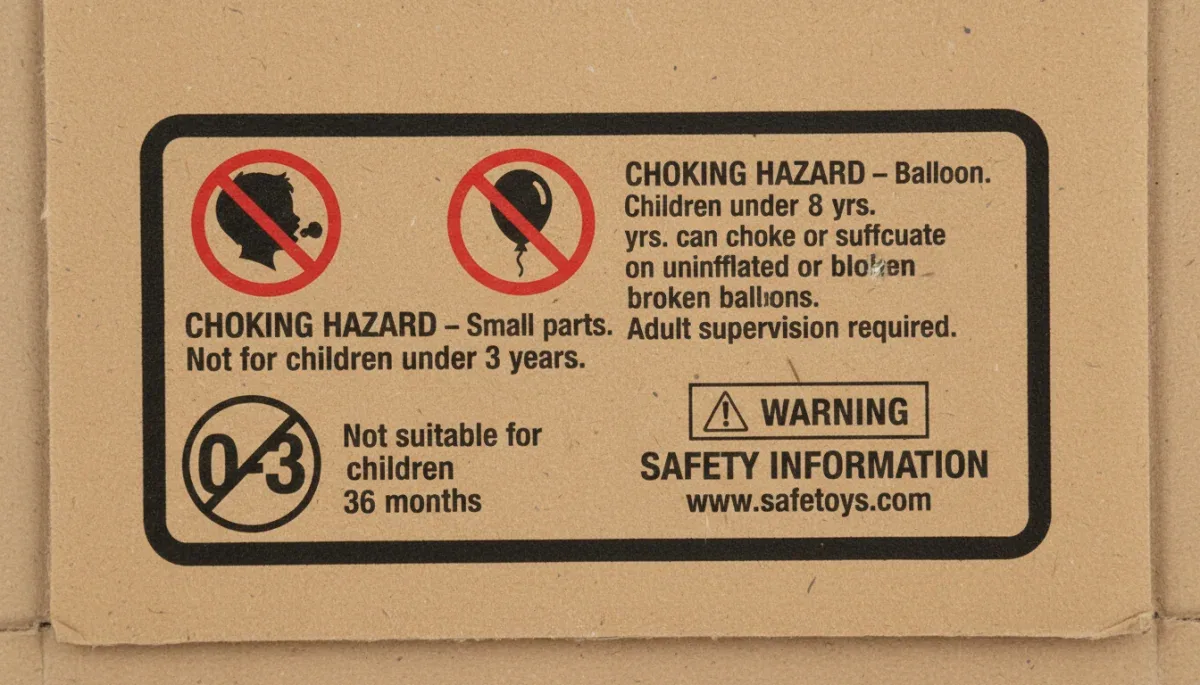
The most visible safety markings on sensory play kits are mandatory choking hazard warnings, which are required under federal law for any product containing small parts intended for children aged three to six. Federal regulation 16 CFR Part 1501 defines a small part using a standardized testing cylinder measuring 1.25 inches in diameter and between 1.0 and 2.25 inches in depth, which mirrors the dimensions of a fully expanded toddler throat. If any component fits entirely inside this cylinder without compression, it receives a formal small-part designation.
Consumers frequently confuse age grading with developmental interest. An age label reading "Ages 3+" accompanied by a triangular warning symbol and a small parts warning is an absolute safety threshold, not a measure of intellectual capability. This designation indicates that the kit contains items small enough to occlude a young child's airway. Children younger than three years old explore objects orally as a primary learning method and lack the voluntary swallowing control to prevent accidental aspiration of small beads, dry beans, or small stones.
Standard warning language readers will encounter
- Small parts advisory: A label stating "Choking Hazard - Small Parts. Not for children under 3 yrs," which alerts buyers to components that fit inside the federal test cylinder.
- Small ball warning: A specific notice for spherical items under 1.75 inches in diameter, which present a heightened aspiration risk due to their uniform shape.
- Marble notification: A distinct advisory required on any kit that incorporates traditional glass or plastic marbles, regardless of overall kit theme.
When selecting a sensory kit, caregivers must balance the child's calendar age against individual oral behaviors. Some children continue to mouth toys well past their third birthday. In such cases, kits with an "Ages 3+" safety label remain hazardous regardless of the child's advanced language or fine motor skills. Safety guidelines emphasize that age ratings reflect the lowest age at which a child can safely handle the product without immediate physical peril.
Chemical certifications and toxicity statements
Because sensory play often involves direct skin contact with wet or powdery media, chemical labeling provides crucial context regarding product composition. Art materials integrated into sensory kits, such as finger paints, modeling compounds, and liquid solutions, are governed by the Labeling of Hazardous Art Materials Act (LHAMA), codified under ASTM D4236. This standard requires an independent toxicologist to evaluate the formulation for chronic health hazards before packaging can claim the product is suitable for household use.
The phrase "non-toxic" on consumer packaging is widely misunderstood. From a regulatory perspective, a non-toxic label means the item does not cause acute poisoning or chronic biological damage under normal handling or foreseeable ingestion. It does not signify that the material is edible, hypoallergenic, or safe for dietary consumption. Ingesting significant quantities of a non-toxic sensory base can still cause gastrointestinal distress, intestinal blockage, or electrolyte disturbances, particularly if the base contains concentrated salts or absorbent starches.
Allergen disclosure represents an additional safety consideration that is not universally mandated across all toy categories. While food products face strict federal labeling under the Food Allergen Labeling and Consumer Protection Act, sensory kits categorized as toys may not clearly state whether modeling dough contains wheat gluten or if sensory bases were processed on equipment shared with tree nuts. Families managing severe contact allergies must examine manufacturer specifications directly to confirm ingredient origins, especially with homemade or small-batch boutique play kits.
High-risk materials and storage precautions
Certain materials commonly associated with tactile sensory activities present unique safety considerations that require heightened scrutiny. Expanding water beads, for example, have prompted major safety alerts from the CPSC due to the severe internal obstruction hazards they pose if swallowed. Because these polyacrylamide spheres absorb fluids and expand to many times their dry size within the digestive tract, federal authorities have urged parents to remove them from homes with young children. Commercial sensory kits designed for domestic use are increasingly phasing out these components in favor of stable, non-expanding bases.
Microbial growth constitutes another operational risk in sensory play kits that incorporate organic or damp fillers. Uncooked beans, grain mixtures, and homemade flour doughs can absorb ambient moisture from child hands and storage bins, creating an environment favorable to mold, fungi, and bacteria. Commercial formulations frequently incorporate food-grade preservatives, such as potassium sorbate or excessive salt concentrations, to deter bacterial colonization during storage.
Storage and maintenance steps for sensory bases
- Airtight containment: Store tactile fillers in rigid plastic containers with tight-fitting latches to prevent humidity ingress and pest infestation.
- Moisture checks: Inspect doughs and organic grains for discoloration, unusual odors, or weeping liquid before handing them to a child.
- Hand hygiene protocol: Wash hands before and after sensory sessions to limit the introduction of oils and organic food particles into the bin.
- Immediate disposal criteria: Discard organic bases immediately if they come into contact with bodily fluids, unwashed outdoor debris, or visible mildew.
Proper environmental control ensures that the tactile materials maintain their structural integrity across multiple uses. If a sensory material begins to crumble into ultra-fine dust, it can cause eye irritation or respiratory coughing during vigorous movement. Discarding degraded fillers and refreshing base media preserves both the physical utility and the sanitary quality of the play environment.
Comparing commercial kits with homemade assemblies
Many caregivers assemble homemade sensory bins using bulk household staples such as dry rolled oats, split peas, or baking soda mixtures. While homemade kits offer control over ingredients and eliminate synthetic dyes or artificial perfumes, they lack the standardized testing that commercial products undergo. Dry legumes, hard unpopped corn kernels, and raw pasta present identical physical choking risks to plastic small parts when offered to children under three years old.
Commercial kits from established manufacturers carry the advantage of verifiable batch tracking and compliance testing documentation. Regulated toy companies must maintain a Children's Product Certificate (CPC) that details the specific accredited laboratory that conducted mechanical and chemical checks. This documentation provides a clear paper trail confirming that surface pigments do not contain heavy metals and that the structural plastic tools resist fracturing under load.
Conversely, curated bins sold by individual craft sellers on digital marketplaces occupy a middle ground that requires extra consumer vigilance. While many independent makers use high-grade natural ingredients, smaller operations may not always complete third-party CPSC-accredited laboratory evaluations for every unique iteration of their sets. Buyers evaluating boutique kits should confirm whether the seller conforms to ASTM F963 criteria or whether the product is marketed strictly as a decorative display rather than a tested children's toy.
At a glance
| Safety factor | What to know |
|---|---|
| ASTM F963 mark | Indicates the product passed mandatory federal tests for mechanical durability and lead content. |
| Ages 3+ advisory | Signifies the presence of small parts that fit within the federal choking test cylinder. |
| ASTM D4236 label | Verifies that art components were reviewed by a toxicologist for chronic health hazards. |
| Non-toxic claim | Means the formula avoids hazardous poisons, but it does not mean the item is edible. |
Frequently asked questions
What makes a sensory play kit different from a standard toy?
Sensory kits focus entirely on open-ended material exploration rather than structured game rules or pre-programmed electronic responses. They combine bulk tactile media, such as sand or dough, with loose accessories to encourage fine motor manipulation, sensory processing, and independent creative experimentation at the child's own developmental pace.
Why do some sensory kits have an age warning for older children?
Age warnings indicate mechanical and choking hazards rather than complexity or intelligence requirements. A kit marked for ages three and older contains loose parts or small balls that can block a toddler's airway, meaning the product cannot safely be given to children who still place objects in their mouths.
Does a non-toxic label mean the sensory base is safe to eat?
No, a non-toxic label does not mean the material is food or safe for ingestion. It simply confirms that the ingredients do not contain acutely poisonous substances or chronic toxins, though eating the material can still result in stomach upset, vomiting, or intestinal blockage.
Are homemade sensory bins safer than store-bought options?
Homemade bins give you direct control over known food ingredients, but they carry the exact same choking risks as commercial sets. Uncooked beans, dry pasta, and small household items present severe airway hazards for children under three, requiring the same direct supervision as commercial toys.
The bottom line
Sensory play kits offer valuable developmental benefits by promoting fine motor control, tactile processing, and open-ended focus, but their physical components demand careful adult selection. Federal safety labels like ASTM F963 and small parts warnings provide objective legal boundaries designed to keep children safe from choking and toxic exposures. Before buying or using any sensory kit, inspect the exact components and verify the age grading against your child's current mouthing habits.
Written by
Rita Lima
Rita Lima writes about conscious living and personal growth for portalreborn.com. Each article explains how things work, compares published details such as prices, policies and program rules, and points readers to the official source before they decide.