
How school cell phone bans change family communication
Advertisement
Public school cell phone bans remove instant digital access between parents and students during academic hours, shifting families back to centralized school channels and scheduled check-ins. This change helps districts minimize classroom interruptions and digital peer conflicts, but it also removes the direct convenience of on-demand coordination that many households have relied on for over a decade.
For parents balancing shifting work shifts, shared custody arrangements, and complicated after-school transport, losing instant access requires a practical shift in routine. Understanding how districts enforce these restrictions and setting up clear communication habits at home allows families to navigate the school year without administrative friction.
The shift toward bell-to-bell restrictions in public districts
State legislatures and local school boards across the country have steadily expanded rules restricting personal mobile devices during instructional time. Several states, including Florida, Indiana, and Ohio, have passed legislation mandating public districts to restrict student smartphone use throughout the school day, while major urban districts such as Los Angeles Unified have enacted system-wide prohibitions. These measures are often called bell-to-bell policies because they apply from the morning entry bell until the final dismissal bell, covering lunch periods, passing time between classes, and study halls.
Advertisement
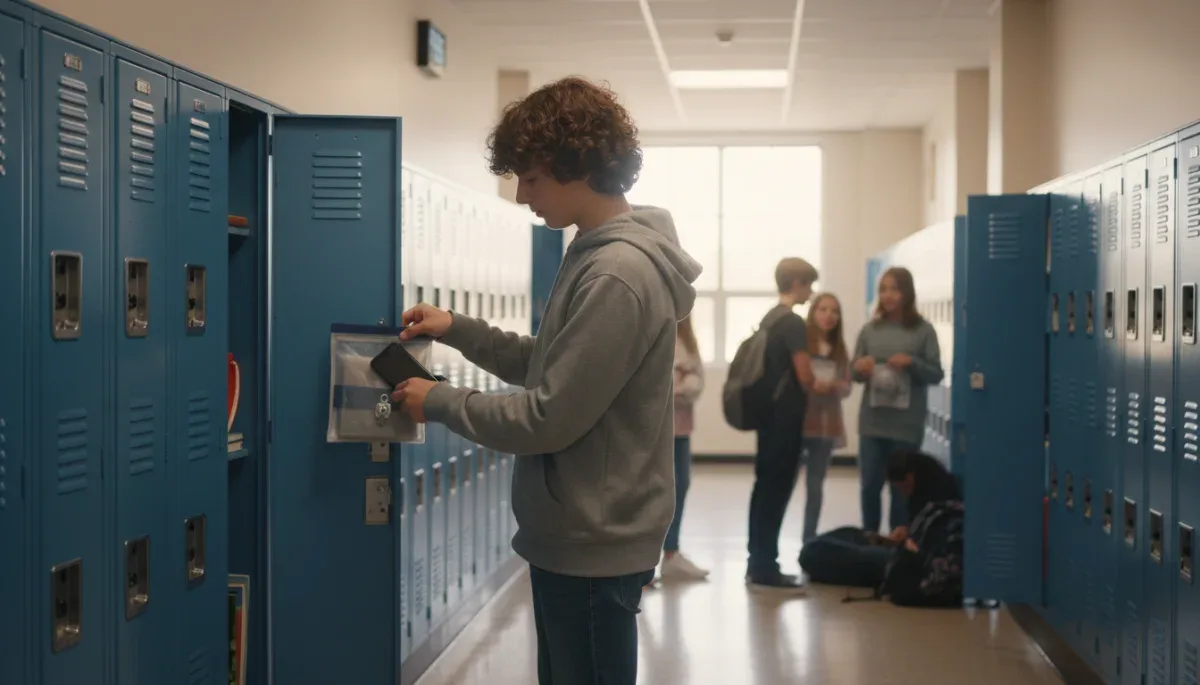
In practice, enforcement methods vary depending on the district budget and physical school layout. Some schools require devices to stay turned off and out of sight inside personal backpacks or hallway lockers, while others implement magnetic locking pouches or designated classroom storage caddies. When devices are confiscated for unauthorized visibility, retrieval often involves administrative intervention or parental pickup. For families, this means a text message sent at midday will remain unread until the final bell rings, altering the rhythm of everyday updates.
Daily logistics and managing after-school schedule changes
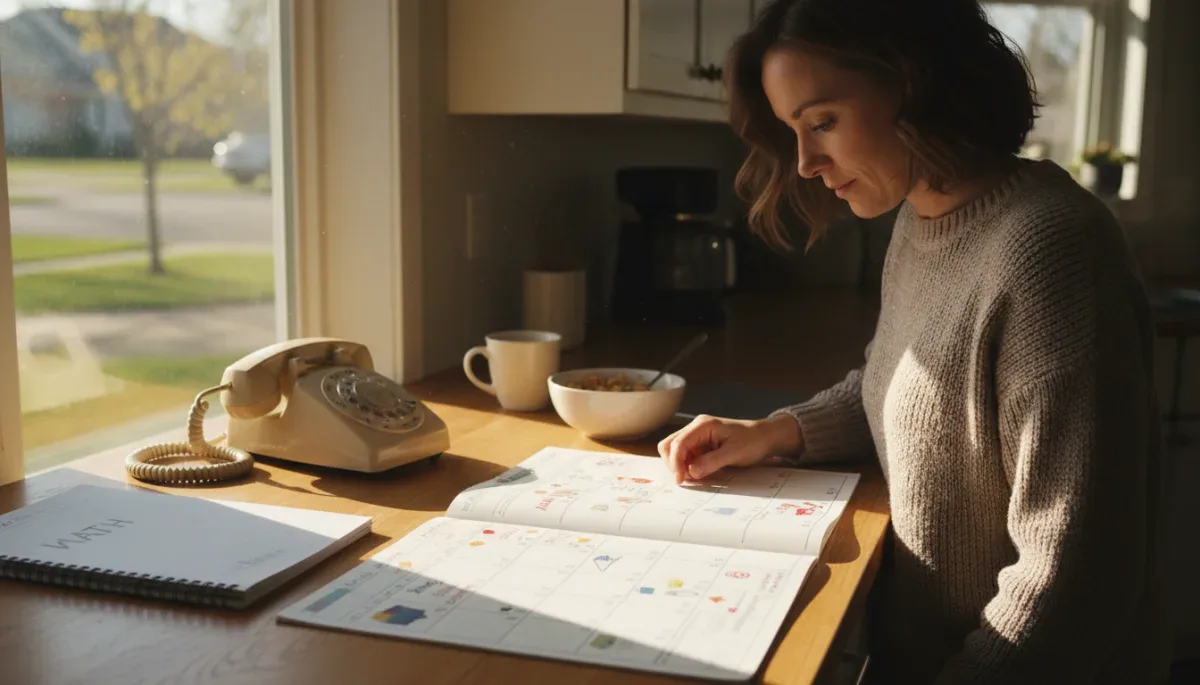
The most immediate disruption families experience under strict phone policies involves everyday transportation and scheduling. In past years, parents frequently sent text messages regarding carpool changes, delayed bus routes, unexpected traffic, or sports cancellations directly to their children during fifth period. Under bell-to-bell rules, those spontaneous updates no longer reach the student in real time.
When schedules change unexpectedly, families must revert to using the school front office as their primary communication hub. Front offices operate under strict administrative protocols, often receiving dozens of pickup adjustments during the final hour of the school day. Submitting messages early in the day gives office staff enough time to distribute written passes or convey messages to homeroom teachers before afternoon dismissal chaos begins.
Establishing consistent daily routines
- Review afternoon transportation plans and backup drivers at the breakfast table or during the morning commute.
- Set up a standardized pickup location on campus where the student waits if their ride is delayed past dismissal.
- Establish an emergency contact card inside the student backpack with updated family phone numbers and neighborhood contacts.
- Contact the school main office before their stated afternoon cutoff deadline whenever transport plans change mid-afternoon.
Emergency protocols and reaching children during critical events
Safety concerns frequently drive parental resistance to school cell phone bans. Many parents feel an understandable instinct to maintain a direct digital lifeline to their child in the event of an active campus threat, medical incident, or severe weather warning. However, school safety officials and emergency responders generally advise against unrestricted phone use during active campus emergencies.
Safety organizations emphasize that widespread phone use during an active lockdown can compromise student safety. Ringing devices and glowing screens can betray hiding locations in darkened classrooms, while thousands of simultaneous outgoing calls overwhelm local cellular towers needed by police and medical teams. Furthermore, unverified social media posts broadcast from inside classrooms can create panic and spread inaccurate information before emergency personnel establish secure perimeters. In an actual emergency, districts use automated notification systems to alert parents via email, phone calls, and official district text alerts.
Health monitoring, medical exemptions, and special accommodations
Not all students can participate in blanket phone bans without personalized policy exceptions. Children managing chronic health conditions frequently rely on smart devices to monitor biological data throughout the day. The most common example involves continuous glucose monitors used by students with Type 1 diabetes, which transmit real-time blood sugar readings directly to a smartphone app or share data remotely with parents and school nurses.
Federal law protects access to necessary medical monitoring through formal documentation. Parents of students with medical needs, sensory disorders, or specialized communication requirements must secure formal exemptions through a Section 504 Plan or an Individualized Education Program. School districts must accommodate approved assistive medical technology, though staff may request that non-medical apps and notifications be locked during instructional periods.
Steps for documenting medical exceptions
- Obtain written documentation from the child treating physician outlining why the mobile device is medically necessary during school hours.
- Request a formal Section 504 conference with the school administration and guidance team before the academic term starts.
- Specify within the written accommodation plan exactly how and when the device will be accessed for health monitoring.
- Confirm with the school nurse how data sharing between the student device and clinical staff will be maintained.
Developing independent problem-solving skills in students
While the initial loss of instant contact creates logistical hurdles, teachers and school counselors frequently note measurable social benefits when personal devices are removed from the daily environment. Without a smartphone in their pocket, students are encouraged to resolve minor daily difficulties directly with peers and school staff rather than seeking immediate parental intervention for routine discomforts.
In unrestricted environments, students often text parents immediately when they forget a notebook, receive a low quiz grade, or experience minor playground friction. This habit can inadvertently delay the development of executive functioning and interpersonal negotiation. When direct messaging is absent, students must speak directly with their classroom teacher about missed assignments, consult front office personnel regarding forgotten lunches, and engage face-to-face with classmates during unstructured lunch periods.
Practical communication routines for modern households
Adapting to school cell phone bans requires families to establish predictable communication windows outside of school operational hours. Instead of scattered, ongoing text threads throughout the morning and afternoon, households can organize their check-ins around distinct daily transitions. This approach keeps parents informed while preventing disciplinary infractions caused by policy violations.
Many families find success by designating fifteen minutes after the dismissal bell as their standard check-in window. Once students exit campus boundaries or enter their lockers, they can review family messages and confirm their arrival at after-school activities, sports practices, or bus stops. Clear expectations prevent anxious phone calls from parents while training children to treat school hours as a focused, offline block of time.
At a glance
| Factor | What to know |
|---|---|
| Daily logistics | Schedule updates must go through the main office rather than direct texts. |
| Emergency contact | Districts broadcast official alerts through automated systems, not individual classrooms. |
| Medical tracking | Formal 504 plans allow necessary health monitors to bypass general bans. |
| Confiscation rules | Repeated infractions often require an adult to physically collect the device. |
Frequently asked questions
Can parents still contact their child during school hours?
Yes, parents can call the school main office to relay essential messages or handle urgent family situations. Administrative staff will deliver notes directly to classrooms or summon students to the front desk when an urgent matter arises during instructional time.
What happens if a student has an unexpected schedule change?
Parents should phone the school administrative office as early as possible before afternoon dismissal. Office staff record the transportation update and deliver a printed pass to the student classroom before the final bell rings for the day.
Are smartwatches covered under public school cell phone bans?
Most district policies apply to all wearable smart technology capable of sending messages, accessing the internet, or recording media. Wearables that receive cellular notifications generally must be stored away or set to offline modes alongside mobile phones.
Can students call home if they feel sick during class?
Students must report to the school health clinic or nurse office rather than calling parents directly from class. The school nurse evaluates the student symptoms, logs the visit, and contacts parents officially if pickup is medically recommended.
The bottom line
Public school cell phone bans alter the immediate convenience of family communication, but they establish calmer classrooms and encourage student self-reliance throughout the academic day. Successful adaptation relies on clear morning planning, relying on the school administrative office for genuine emergencies, and establishing consistent check-in routines after dismissal. Before the school year begins, review your local district official student handbook to verify their specific device policy and office message deadlines.
Written by
Rita Lima
Rita Lima writes about conscious living and personal growth for portalreborn.com. Each article explains how things work, compares published details such as prices, policies and program rules, and points readers to the official source before they decide.