
Panda Crate vs Lovevery for Toddlers Compared
Advertisement
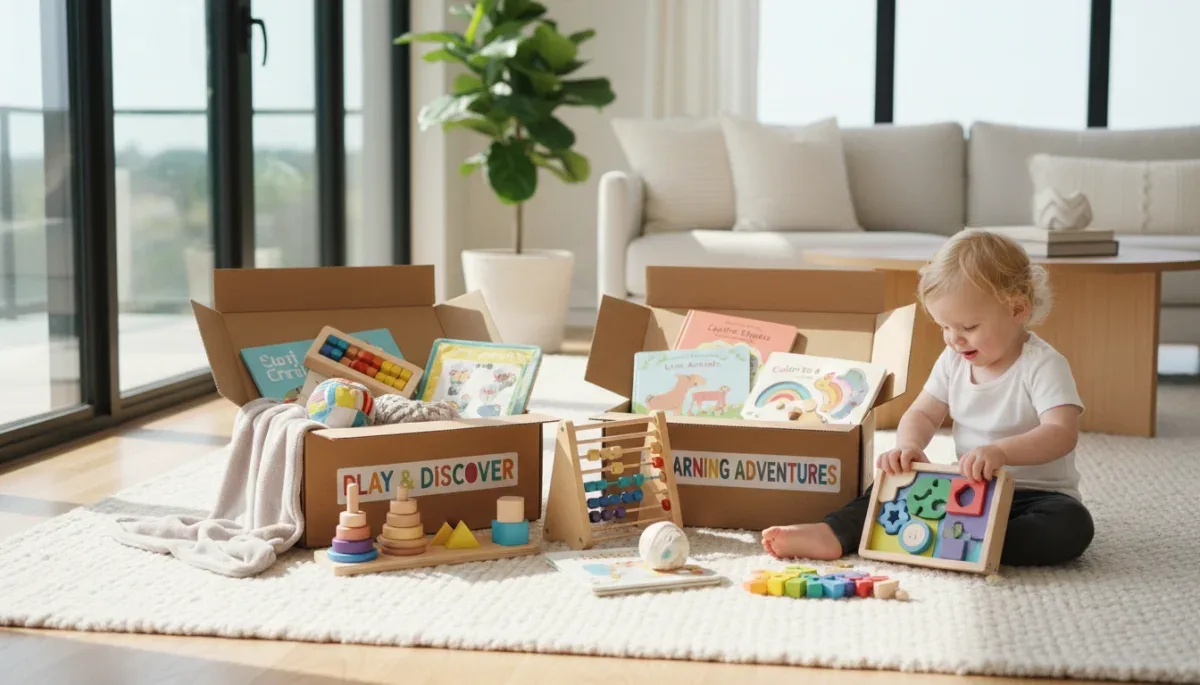
Choosing between KiwiCo Panda Crate and Lovevery Play Kits depends on whether you prefer practical, project-based activity items at a lower cost or comprehensive, heirloom-quality wooden play systems structured around child development milestones. Both brands offer structured toy deliveries that eliminate the guesswork of shopping for toddlers, but they approach early learning with different design philosophies, shipment schedules, and price structures.
This guide helps parents, grandparents, and gift shoppers compare published product details, membership rules, and material standards without promotional hype. The primary consideration is that while both programs provide age-appropriate materials, Lovevery requires a higher upfront financial commitment per box, whereas KiwiCo focuses on compact, bi-monthly crates that emphasize specific sensory and problem-solving concepts.
Developmental philosophy and age staging
Both programs align their shipments with early childhood growth, but their curriculum models differ. KiwiCo designs the Panda Crate line in partnership with educators and child development researchers, covering early childhood up through age three. The line groups materials into broad developmental windows that target specific motor, cognitive, and social-emotional skills. Each crate focuses on a defined theme, such as counting, body awareness, or spatial relationships, accompanied by practical ideas for open-ended play at home.
Advertisement
Lovevery structures its Play Kits around specific multi-month developmental stages, working alongside Montessori educators, pediatricians, and psychologists. For toddlers aged one through four, boxes ship every three months to match rapid transitions in gross motor coordination, executive functioning, and communication. The toys inside directly support self-directed play and real-world skill practice, using realistic imagery rather than cartoon illustrations to help young children make sense of their environment.
Core differences in curriculum structure
- KiwiCo Panda Crate: Focuses on hands-on exploration and concept-specific themes designed to prompt parent-child interaction and sensory discovery.
- Lovevery Play Kits: Focuses on Montessori-aligned, stage-based toys that encourage independent problem-solving and functional everyday skills.
- Guidance materials: Both brands include printed guides explaining milestone timing, though Lovevery provides extensive research-backed activity suggestions and developmental timelines.
Toy materials, durability, and safety standards
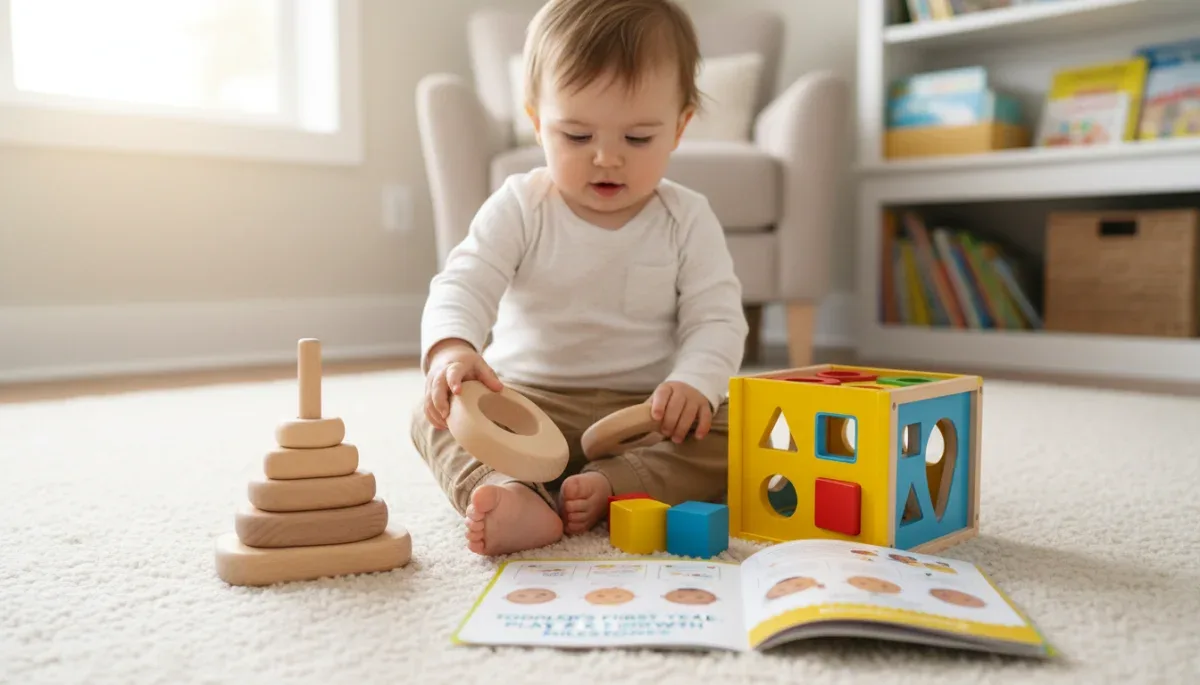
Material composition and manufacturing integrity represent a significant dividing line between these two subscription services. Lovevery focuses heavily on sustainable materials, incorporating FSC-certified sustainably harvested wood, organic cotton, water-based non-toxic finishes, and bio-based plastics. The objects are engineered for long-term durability and weight, intended to be passed down through multiple children or retained as heirloom items. The aesthetic favors clean wood tones paired with deliberate, high-contrast primary colors.
KiwiCo uses a mix of solid wood, engineered wood, fabric, silicone, and food-grade plastics across its Panda Crate items. The components are thoroughly tested to meet or exceed United States toy safety regulations, including ASTM F963 standards. While the pieces are sturdy enough for regular toddler handling, they generally feature lighter builds and a mix of soft textiles and tactile plastics. The visual design is playful and modern, incorporating cheerful color palettes and animal motifs that appeal to young toddlers.
Pricing structure and shipping schedules
Cost is often the deciding factor for families evaluating subscription models. At the time of writing, KiwiCo Panda Crate operates on a bi-monthly schedule, meaning a new box arrives every two months through age three. Single crates generally cost around thirty-four to forty dollars per shipment, depending on whether you pay month-to-month or purchase a prepaid multi-crate plan. Shipping within the contiguous United States is typically included or available at a low flat rate depending on ongoing promotions.
Lovevery Play Kits for toddlers ship every three months, reflecting larger collections designed to sustain play across a broader window. At the time of writing, toddler kits are priced at one hundred twenty dollars per box, which equals roughly forty dollars per month of play. Lovevery also offers prepaid bundle discounts for customers who commit to multiple kits in advance. Shipping is free within the contiguous United States, but the upfront charge per delivery is notably higher than that of KiwiCo.
Subscription management, flexibility, and gifting
Flexibility matters when managing recurring household expenses or selecting presents for growing children. Both companies allow subscribers to pause, skip, or cancel shipments through their online account dashboards, provided changes are submitted before the scheduled billing date. You can also adjust your child's birth date in your profile if you find the current developmental stage is moving faster or slower than the automated schedule suggests.
For gift-givers, both platforms offer dedicated options. KiwiCo allows buyers to purchase fixed prepaid subscriptions of two, four, or six crates without an automatic renewal requirement, making it a predictable option for birthdays or holidays. Lovevery enables customers to purchase individual play kits or multi-box gift packages, though shoppers must verify whether the selected option automatically renews or ends after the final prepaid kit is fulfilled.
Toy volume and space management at home
The physical footprint of children's playthings can quickly overwhelm living areas, making box contents an important consideration for smaller homes. KiwiCo Panda Crates arrive in compact packaging containing three to four targeted items, such as a puzzle, a texture book, or a movement toy. Because the item count is modest, integrating the toys into existing toy shelves is straightforward, and rotation requires minimal storage space.
In contrast, Lovevery Play Kits arrive in substantial cardboard boxes containing five to eight distinct items, including multi-piece games, chunky wooden puzzles, practical life tools, and bound board books. These collections can fill an entire low Montessori shelf on their own. Families who prefer minimalist toy collections must establish a structured toy rotation system to avoid clutter when receiving Lovevery shipments every quarter.
Parent support materials and educational guidance
Each delivery includes instructional media designed to help caregivers interpret child behavior and support emerging skills. KiwiCo packages each Panda Crate with Wonder Magazine, a printed booklet featuring developmental research, child development context, and extension activity ideas using everyday household items. It also suggests additional reading selections and provides guidance on how to facilitate shared play without directing the child's discoveries.
Lovevery includes a comprehensive Play Guide inside every kit. These booklets outline the developmental rationale behind every single object, detailing specific age markers in weeks and months when a toddler might master certain actions. The guides also address broader parenting topics relevant to each age, such as handling tantrums, fostering independence during routines, and setting up an accessible bedroom environment.
At a glance
| Factor | What to know |
|---|---|
| Delivery schedule | KiwiCo ships every two months; Lovevery toddler kits ship every three months. |
| Upfront box cost | KiwiCo is lower per box; Lovevery requires a larger payment per shipment. |
| Primary materials | Lovevery emphasizes FSC wood and organic textiles; KiwiCo blends wood, fabric, and plastic. |
| Toy volume | Lovevery delivers larger sets per box; KiwiCo provides fewer, compact items. |
Frequently asked questions
Can I purchase single boxes without a recurring subscription?
Yes, both companies offer pathways to buy individual boxes, although availability varies. KiwiCo frequently sells individual Panda Crates in its online store, while Lovevery allows shoppers to purchase individual Play Kits by selecting gift options or managing cancellation immediately after initial checkout.
Are the toys suitable for children outside the listed age ranges?
Yes, children develop at their own pace, and many materials remain engaging well beyond the designated shipment window. Both brands design items with progressive difficulty levels, allowing toddlers to revisit earlier stacking, sorting, and matching objects as their motor skills mature.
How easy is it to cancel or skip a shipment?
Canceling or skipping is straightforward through either brand's online account management page. You must complete your cancellation or skip request before your designated renewal and billing cutoff date to prevent the next scheduled box from processing and shipping.
Do either of these subscriptions contain electronic or battery-operated toys?
No, neither KiwiCo Panda Crate nor Lovevery Play Kits include battery-powered, flashing, or noise-making electronic toys. Both brands rely on passive, mechanical, and tactile materials that require the toddler to supply the movement, sound, and imaginative energy during play.
The bottom line
If you want a budget-friendly, bi-monthly delivery of compact and engaging developmental toys, KiwiCo Panda Crate offers practical value with simple storage. If you prefer comprehensive, Montessori-aligned wooden play systems built from premium sustainable materials and are comfortable with a higher quarterly cost, Lovevery Play Kits are the better fit. Before subscribing or ordering a gift, check the official website of your preferred company to confirm current pricing, shipping fees, and cancellation cutoff rules.
Written by
Maria Eduarda
Maria Eduarda writes about tech & life, gift guides and seasonal toys for portalreborn.com. Each article explains how things work, compares published details such as prices, policies and program rules, and points readers to the official source before they decide.