
Open-ended building sets versus structured kits for preschoolers
Advertisement
Open-ended building sets offer children the freedom to invent their own designs, while structured kits provide step-by-step instructions to create a specific model. Both play styles serve distinct roles in early childhood development, influencing how young children approach problem-solving and motor tasks.
Understanding these differences helps parents and caregivers select toys that match a preschooler's current stage of growth, though balancing both formats often produces the most well-rounded play experience. Selecting the right option depends on your child's frustration tolerance, fine motor control, and play preferences.
Understanding the core differences in preschool play styles
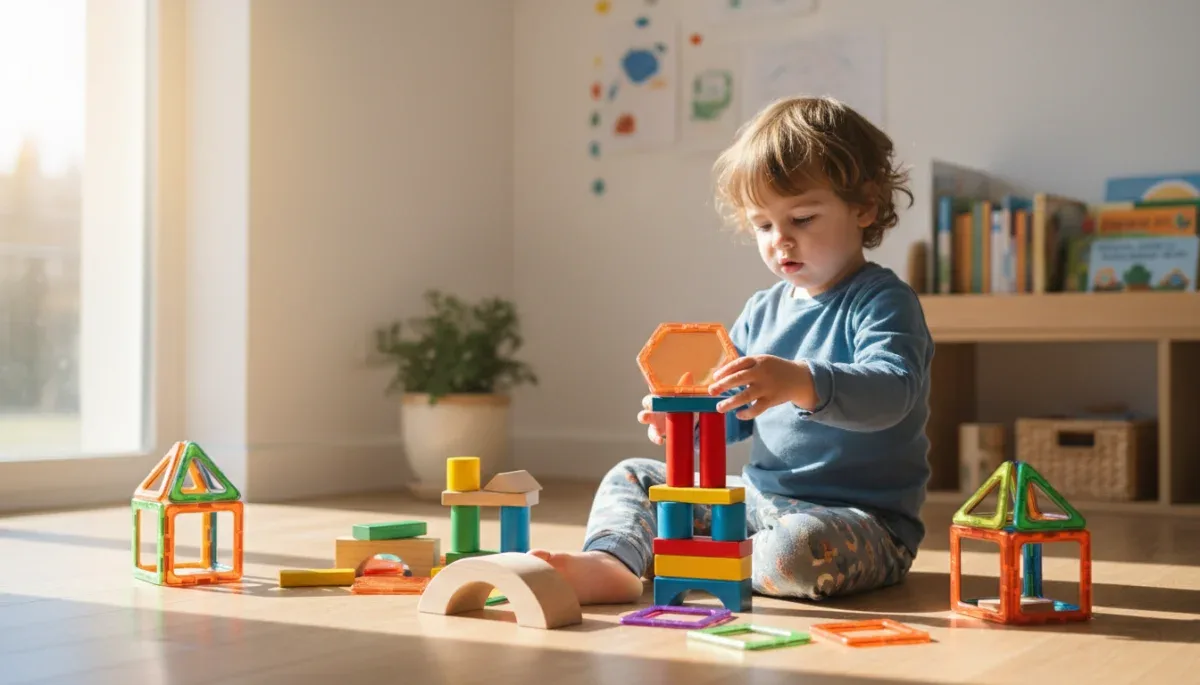
Construction toys generally fall into two distinct categories based on their design and intended outcome. Open-ended building sets include classic wooden blocks, interlocking bricks without diagrams, and magnetic geometric tiles. These items have no predetermined endpoint, meaning there is no single correct way to use them. A child can transform the same collection of pieces into a castle, a bridge, a vehicle, or an abstract sculpture.
Advertisement
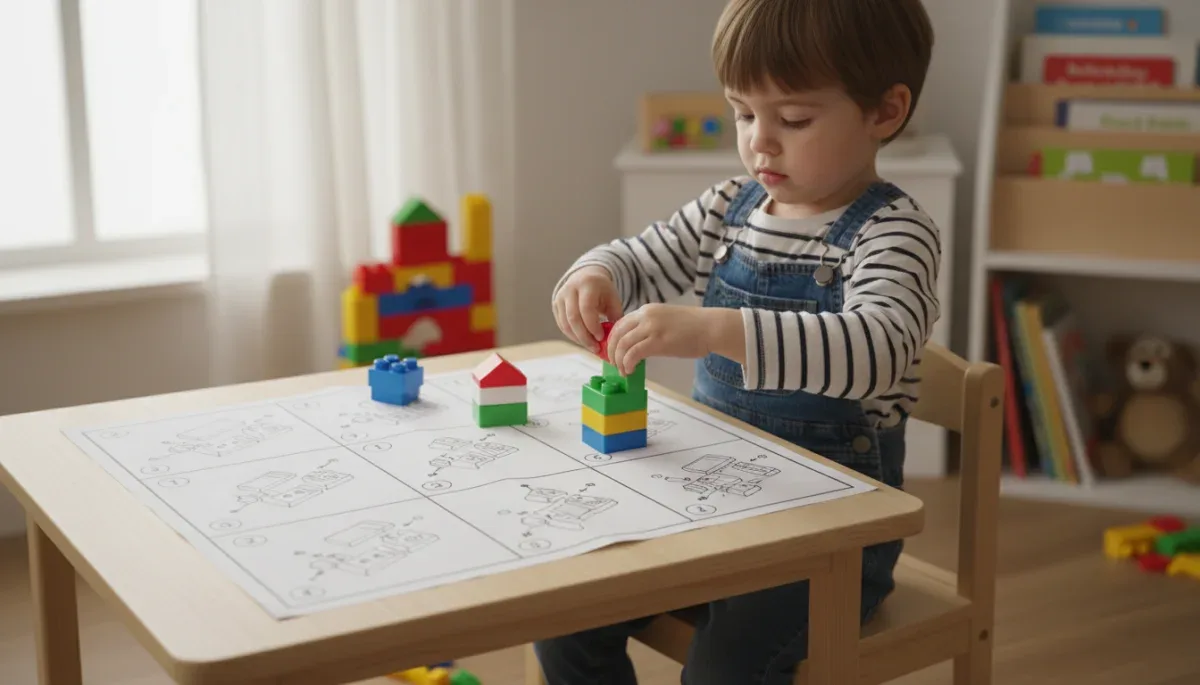
Structured building kits, by contrast, are designed to produce a specific object, such as a designated fire truck, house, or animal figure. These sets typically include an instruction booklet with numbered visual steps. Children engage with these materials by matching components to diagrams and working through a sequential process to achieve a visible goal.
Developmental benefits of open-ended construction
Playing with unrestricted materials allows preschoolers to test structural concepts through trial and error. When a tower falls, the child evaluates weight, balance, and base stability without external correction from an instruction guide. This process fosters resilience and flexible thinking, as there is no fear of making an objective error.
Open-ended building sets also integrate seamlessly with imaginative and dramatic play. A simple rectangular block can represent a phone, a loaf of bread, or a train car during a single afternoon. This symbolic thinking supports early literacy and communication skills as children invent narratives around their physical creations.
Key skills fostered by unrestricted building
- Spatial awareness: Children learn how shapes fit together and how geometry affects physical balance.
- Creative confidence: Without a model to replicate, children trust their own ideas and decision-making processes.
- Longer play engagement: Open sets adapt as children mature, offering new challenges across multiple years.
- Emotional regulation: Rebuilding collapsed structures helps children manage minor setbacks independently.
Why structured building kits still provide value
While open-ended play encourages divergence, structured kits develop convergent problem-solving and visual literacy. Preschoolers working with guided kits learn to decode two-dimensional diagrams and translate those visual cues into three-dimensional arrangements. This translation requires focused visual-spatial attention and careful observation.
Structured projects also introduce children to the discipline of step-by-step processes. Completing a model from start to finish teaches delayed gratification, as the final reward requires sustained focus over several sequential tasks. For children who feel overwhelmed by an empty table, a clear project plan provides reassuring boundaries.
Strengths of goal-oriented construction sets
- Diagram literacy: Interpreting pictorial manuals strengthens early symbolic reading and left-to-right processing.
- Precision motor control: Structured kits often require exact alignment and specialized finger pressure to secure pieces.
- Goal completion: Finishing a designated model delivers a clear sense of accomplishment and pride.
Age readiness and preschool safety considerations
Preschoolers between the ages of 3 and 5 experience rapid shifts in manual dexterity and cognitive capacity. Younger preschoolers often lack the patience or finger strength needed for intricate snap-together models, making larger open-ended blocks or magnetic sets more practical. Attempting complex kits too early can lead to frustration and premature abandonment of the activity.
Safety remains an important factor when evaluating any construction product. The U.S. Consumer Product Safety Commission regulates age grading for toys, particularly regarding small parts that present choking hazards for children under 3. When choosing kits for older preschoolers, check manufacturer labels for piece size, non-toxic finishes, and sturdy construction to ensure safe, independent play.
Creating a balanced play environment at home
Rather than choosing exclusively between open and structured options, many early childhood educators recommend maintaining a varied toy shelf. You can offer a core collection of open-ended building sets for daily free play, while reserving structured kits for collaborative sessions or quiet afternoons requiring focused concentration.
You can also bridge the two formats naturally. Once a child completes a structured kit and keeps it assembled for a few days, encourage them to dismantle it and mix the components into a broader bin of general pieces. This practice shows children that structured models can become raw materials for their own original ideas.
At a glance
| Factor | What to know |
|---|---|
| Play format | Open sets have no rules, while structured kits follow sequential manuals. |
| Skill focus | Open sets build divergent creativity; kits develop visual diagram literacy. |
| Longevity | Open pieces grow with the child, whereas kits are often built once. |
| Adult involvement | Kits often require caregiver guidance, while open sets encourage independent play. |
Frequently asked questions
Which type of building toy is better for toddlers transitioning into preschool?
Open-ended sets with large components, such as solid wooden blocks or magnetic tiles, are generally better for young preschoolers. They eliminate frustration caused by complicated instructions while accommodating developing fine motor skills.
Can structured kits limit a child's natural creativity?
Structured kits do not harm creativity when offered in moderation. They teach children specific construction techniques and structural logic that the child can later apply to their own original, open-ended builds.
How do I know if a structured kit is too difficult for my child?
If a child repeatedly asks an adult to complete basic assembly steps or displays signs of agitation, the set may be too advanced. A well-matched kit should allow the child to complete most connections independently.
Are magnetic tiles considered open-ended building toys?
Yes, magnetic tiles are open-ended because they connect along any edge without predefined instructions. Children can build towers, enclosures, flat patterns, or three-dimensional shapes using the same set of pieces.
The bottom line
Open-ended building sets and structured kits nurture different facets of early childhood development, from imaginative storytelling to focused instruction following. Combining both styles gives preschoolers the tools to express their creativity while learning sequential problem-solving skills. Before purchasing any construction set, verify the manufacturer age rating and piece dimensions on the official packaging to ensure the product matches your child's physical abilities and developmental readiness.
Escrito por
Rita Lima
Rita Lima writes about conscious living and personal growth for portalreborn.com. Each article explains how things work, compares published details such as prices, policies and program rules, and points readers to the official source before they decide.