
How to choose non-toxic art supplies for toddlers
Advertisement
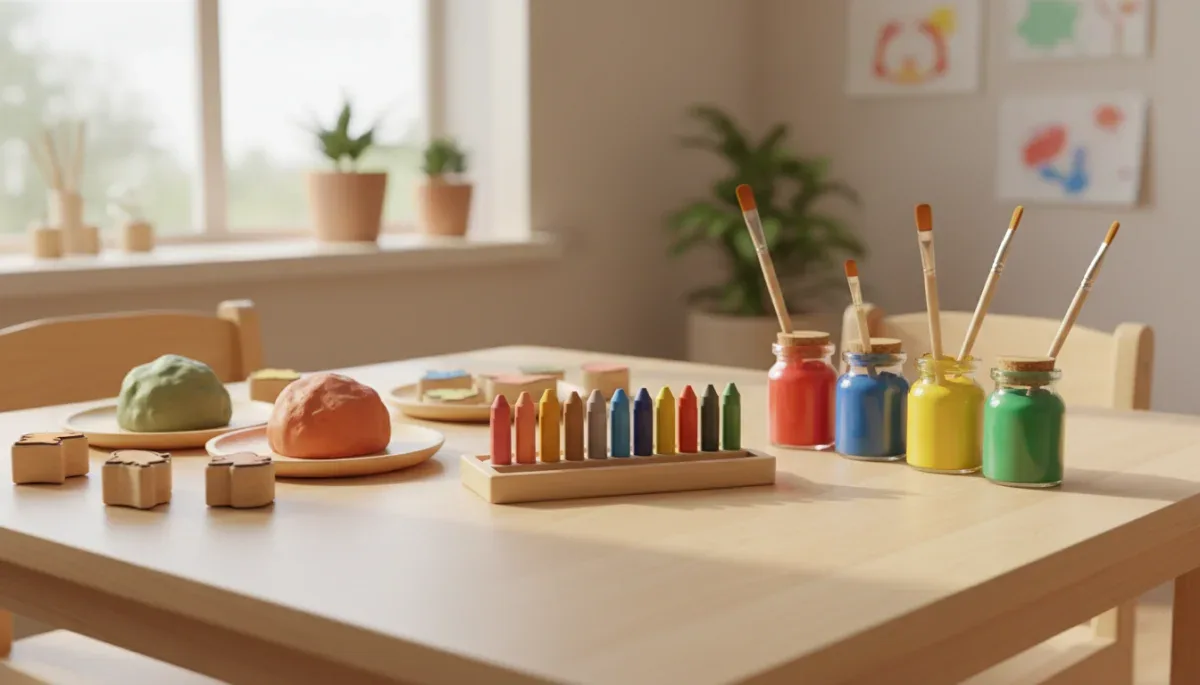
Choosing non-toxic art supplies for toddlers and preschoolers requires checking third-party safety certifications, avoiding synthetic solvents or heavy metals, and selecting water-based, natural wax, or food-grade formulations designed for early childhood use. Early creative activities encourage fine motor development and sensory exploration, but young children frequently explore materials with their hands and mouths.
This guide helps parents, caregivers, and gift shoppers identify safe craft materials for children under six years old, noting that even products labeled non-toxic still require active adult supervision during creative play.
Understanding safety certifications and label standards
In the United States, art materials are regulated under the Labeling of Hazardous Art Materials Act (LHAMA), which requires all art supplies to conform to the ASTM D-4236 standard. This standard mandates that manufacturers submit their formulations to a toxicologist to identify potential chronic health hazards and include appropriate warning labels when risks exist.
Advertisement
When purchasing non-toxic art supplies for young children, look for the Art and Creative Materials Institute (ACMI) certification seals. The ACMI AP (Approved Product) seal signifies that the product has undergone toxicological evaluation and contains no materials in sufficient quantities to be toxic or injurious to humans, including children. Avoid products with the ACMI CL (Cautionary Label) seal, as these items carry chronic health warnings and are meant exclusively for adult artists.
Key safety labels to verify
- ACMI AP Seal: Indicates the product is certified non-toxic for both acute and chronic hazards.
- ASTM D-4236 Statement: Confirms that the product formulation has been evaluated for chronic hazards under federal law.
- CE Mark: Shows compliance with European Union safety directives for toys and children's craft materials.
Selecting safe crayons, paints, and markers
Standard crayons are traditionally manufactured from petroleum-derived paraffin wax blended with industrial pigments. While commercial paraffin crayons marked with the AP seal are safe, many parents prefer crayons made from natural beeswax, soy wax, or plant-derived carnauba wax. These natural alternatives offer smooth coloring performance and use food-grade or cosmetic-grade colorants that minimize chemical exposure if accidentally bitten.
For liquid color, choose water-based washable tempera paints and finger paints specifically designated for early childhood use. High-quality paints formulated for preschoolers wash easily from skin and clothing using plain water and mild soap. When selecting markers, choose water-based options that carry clear non-toxic labeling, and avoid permanent markers, alcohol-based inks, or solvent-based pens that emit strong fumes.
Evaluating modeling clay and sensory doughs
Modeling compounds offer tactile engagement for young hands, but their ingredients vary widely across different brands. Traditional commercial play doughs are generally water-based mixtures of flour, salt, mineral oil, and food-grade preservatives. These are non-toxic, although families managing celiac disease or wheat allergies should verify gluten-free formulations before use.
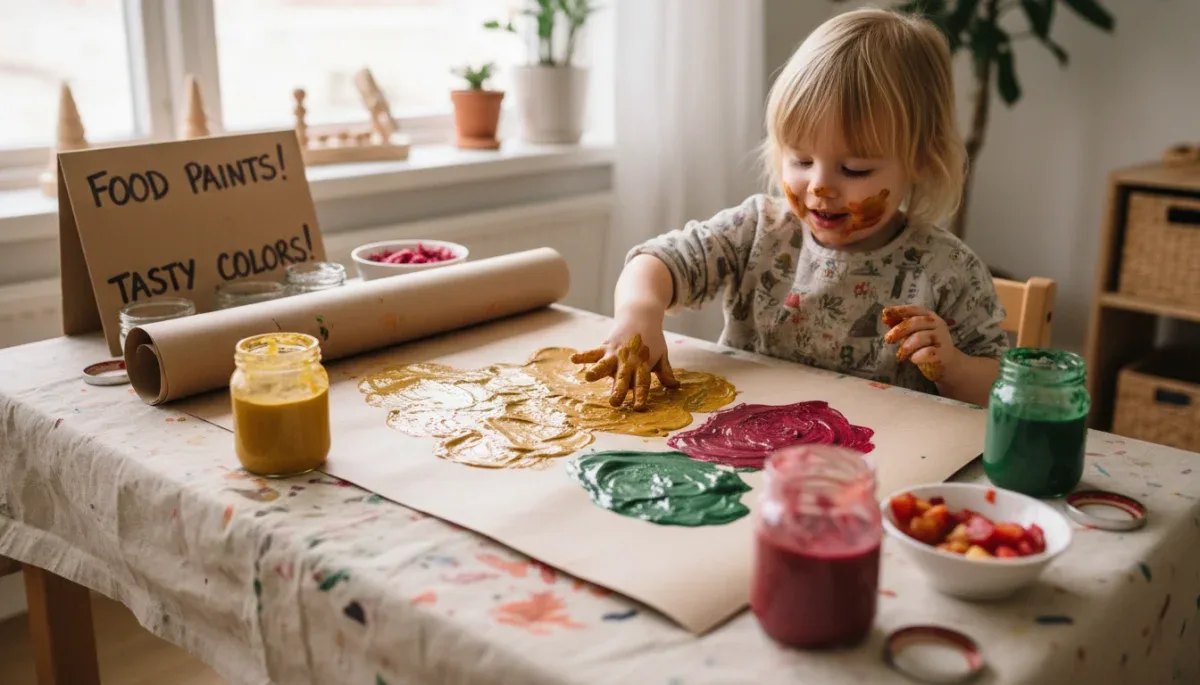
Avoid traditional polymer clays and solvent-cured clays for toddlers and preschoolers. Polymer clays are typically composed of polyvinyl chloride (PVC) plastic and require oven curing, which can release irritating fumes if overheated. For children under school age, stick to soft, air-drying modeling doughs made from plant starches or natural beeswax modeling wax, which softens easily in warm hands without synthetic additives.
Safer modeling compound characteristics
- Water-based formulation: Washes away easily without leaving oily residue on skin or surfaces.
- Plant-derived ingredients: Uses wheat, rice, or corn starch combined with food-grade vegetable oils.
- Air-dry properties: Hardens naturally at room temperature without requiring heat from an oven.
- Allergen transparency: Clearly discloses whether the facility processes wheat, dairy, or soy.
Recognizing ingredients and red flags to avoid
Certain art products intended for older hobbyists and professional artists present distinct hazards to young children. Always check the packaging for age recommendations, as materials marked for ages fourteen and older are not formulated to meet children's product safety rules. Art kits imported without verifiable testing documentation may also lack rigorous compliance with United States consumer safety laws.
Avoid art supplies containing loose micro-glitter, aromatic solvents, or heavy metal pigments such as cadmium, cobalt, and lead derivatives. Strongly scented markers or doughs with artificial fragrances can trigger sensitivities in young children and may encourage accidental eating by mimicking candy or fruit scents. Stick to unscented or naturally scented options colored with mineral or vegetable pigments.
Choosing age-appropriate tools and accessories
Safe art activities depend on appropriate tools as much as the mediums themselves. Toddlers and preschoolers lack the hand strength and coordination required for fine adult tools. Providing oversized, ergonomic tools reduces frustration and prevents accidental pokes or cuts.
Select blunt-tipped safety scissors with plastic-covered blades designed to cut only paper, not skin or hair. Brushes should feature short, chunky handles made of unvarnished or non-toxic sealed natural wood with secure synthetic bristles that do not shed easily. When purchasing easels, chalkboards, or storage containers, look for solid wood or BPA-free plastics with smooth, rounded corners.
At a glance
| Factor | What to know |
|---|---|
| Safety seals | Look for the ACMI AP seal and ASTM D-4236 compliance statement on every box. |
| Wax crayons | Choose beeswax or soy-based options with natural or food-grade colorants. |
| Paint types | Select water-based washable tempera or finger paints specifically rated for early childhood. |
| Modeling clay | Use plant-starch or natural doughs and avoid PVC-based polymer clays entirely. |
Frequently asked questions
Does non-toxic mean an art supply is safe to eat?
No, a non-toxic label does not mean a product is edible food. The non-toxic designation means the material will not cause immediate poisoning or long-term chronic illness if a small amount is accidentally swallowed or touches the skin. Always supervise children to prevent intentional ingestion.
What is the difference between the AP and CL seals on art products?
The AP seal means the product contains no materials in quantities sufficient to cause acute or chronic health problems. The CL seal indicates the product contains hazardous substances that require cautionary handling and warning labels, making it unsuitable for children.
Are natural art supplies better than standard washable brands?
Natural art supplies made from beeswax, plant pigments, and vegetable oils offer fewer synthetic ingredients and petroleum derivatives. However, conventional brands carrying the ACMI AP seal are also rigorously tested and considered safe for normal early childhood craft activities.
How should art supplies be stored to keep young children safe?
Store art supplies in sealed, labeled containers out of reach when not in use. Keep adult crafting materials, such as solvent glues, permanent markers, and sharp craft knives, completely separated in locked or elevated storage areas away from toddler access.
The bottom line
Choosing reliable non-toxic art supplies comes down to verifying the ACMI AP seal, selecting water-based and natural formulations, and avoiding solvent-heavy or professional-grade craft items. Prioritizing washable formulas and ergonomic designs allows toddlers and preschoolers to explore their creativity safely while developing foundational motor skills. Before buying any new art kit, always check the product packaging for clear age recommendations and third-party safety certifications.
Escrito por
Maria Eduarda
Maria Eduarda writes about tech & life, gift guides and seasonal toys for portalreborn.com. Each article explains how things work, compares published details such as prices, policies and program rules, and points readers to the official source before they decide.