
Morning journaling methods and how to choose the right format
Advertisement
Choosing the right morning journaling practice comes down to matching your available time and mental energy with a structure that meets your current personal priorities. The most sustainable morning journaling methods do not demand rigid perfection; rather, they provide a reliable, low-friction framework for organizing thoughts, managing stress, and setting clear intentions before daily tasks begin.
This approach helps busy adults, working parents, and students who want mental clarity without committing to an overwhelming daily writing regimen. The primary catch is that consistency requires adjusting your expectations: an overly ambitious routine often leads to burnout, while a minimalist approach tailored to your daily schedule creates long-term habit retention.
Understanding the core morning journaling methods
Morning writing routines generally fall into two broad categories: unstructured, expressive writing and structured, prompt-driven reflection. Neither format is inherently superior. Instead, each serves a distinct psychological function based on how you process information early in the morning. Unstructured methods allow for emotional release and uninhibited creative thinking, whereas structured formats offer immediate direction, accountability, and time efficiency for people who prefer clear guidelines.
Advertisement
When exploring different approaches, it is useful to evaluate the cognitive demands of each practice. A freeform session helps clear residual mental chatter from the night before, while a targeted template encourages decisive planning for the hours ahead. Deciding between them depends largely on whether your primary morning objective is emotional grounding, creative ideation, or practical task organization.
Standard formats to consider
- Stream of consciousness: Continuous writing without pausing, editing, or filtering thoughts to clear mental residue.
- Guided daily prompts: Pre-selected questions targeting specific themes such as gratitude, problem solving, or values alignment.
- Rapid logging: Short bullet points combining tasks, events, and brief personal observations for quick processing.
- Targeted gratitude: Listing specific, concrete moments or conditions you appreciate to cultivate perspective before starting work.
The stream-of-consciousness approach

The stream-of-consciousness method involves putting your pen to paper and writing continuously for a set duration or page count without stopping to correct grammar, punctuation, or spelling. Popularized as Morning Pages by author Julia Cameron in her 1992 book The Artist's Way, this technique typically calls for writing three longhand pages immediately upon waking. The primary rule is simple: keep the pen moving, even if you write that you have nothing to say.
This method acts as an internal clearing mechanism. By transferring unfiltered worries, unfinished thoughts, and minor anxieties directly onto paper, you prevent those distractions from occupying mental bandwidth throughout the day. It is especially beneficial for individuals dealing with creative blocks, internal criticism, or morning cognitive fog.
However, the three-page longhand requirement takes most adults between twenty and thirty-five minutes to complete. If your morning schedule is tightly compressed due to commute times or family obligations, forcing a strict three-page quota can turn an intentional habit into a stressful chore. Adapting the method into a timed ten-minute free-write offers similar psychological benefits without disrupting your routine.
Structured prompts and intentional frameworks
For individuals who find a blank page intimidating or unhelpful, structured morning journaling methods offer predictable guardrails. Structured journaling relies on a consistent set of concise prompts answered every morning, directing focus toward specific operational and emotional targets. Instead of open-ended venting, you work through targeted inquiries designed to build positive momentum.
A standard structured format often combines three elements: acknowledging gratitude, defining daily priorities, and identifying personal affirmations or behavioral intentions. The Five Minute Journal framework created by Intelligent Change is an established example of this design, asking users for three specific gratitudes, three things that would make the day great, and a daily affirmation.
Common high-impact morning prompts
- What single task will create the most meaningful progress today?
- What potential obstacle might arise, and how will I respond constructively?
- What is one small interaction I can handle with extra patience today?
- What am I genuinely thankful for in my immediate physical environment?
Structured journaling requires minimal time investment, usually taking between three and seven minutes. Because the prompts remain stable, you spend zero mental energy deciding what to write about, making it one of the easiest habits to maintain during stressful work weeks or periods of disrupted schedules.
Bullet logging and functional planning
Functional morning journaling bridges the gap between personal reflection and daily project management. Developed by designer Ryder Carroll, the official Bullet Journal method uses a rapid logging system of simple symbols, short phrases, and organized lists. This format appeals to individuals who prefer practical organization over expressive prose.
In a functional morning journal, an entry might consist of an overview of scheduled meetings, a short list of non-negotiable tasks, and a few brief notes recording mood, energy levels, or personal reflections. Rather than writing long paragraphs, you capture the essence of your morning state in a clean, legible framework that remains accessible throughout the workday.
This method eliminates the pressure to produce deep emotional insights on demand. It treats the journal as an external hard drive for the brain, helping you map out logistics while reserving space for personal observation. It serves professionals and parents who need clear daily visibility without maintaining separate notebooks for life and work.
Selecting between digital tools and physical paper
Choosing your recording medium directly impacts how consistently you practice morning journaling methods. Analog notebooks provide a tactile boundary away from screens, notifications, and work communication. Writing by hand slows down cognitive processing, which can assist in emotional processing and memory retention.
Physical journals carry no digital distractions, making them ideal for individuals who want their morning routine to remain tech-free. The simple physical act of opening a notebook establishes a distinct boundary between quiet morning reflection and the fast-paced demands of online communication.
Conversely, digital journaling tools—including dedicated apps like Day One, standard notes applications, or simple cloud documents—offer searchability, data backups, and ubiquitous access across devices. Digital platforms work well for frequent travelers or those who type significantly faster than they write longhand. The critical factor is choosing the format that presents the lowest friction for your personal lifestyle.
How to choose and sustain your ideal format
Selecting the best morning journaling method requires an honest evaluation of your morning availability, personal processing style, and current objectives. If you consistently struggle to sit down and write, the issue is rarely a lack of discipline; it is usually a mismatch between the chosen format and your current season of life.
Begin by defining your primary objective for the practice. If your goal is stress reduction and emotional decompression, prioritize freeform writing or timed stream-of-consciousness pages. If your aim is enhanced productivity and clear daily direction, opt for structured prompts or rapid bullet logging. If your goal is cultivating optimism and balanced perspective, a short gratitude framework is often sufficient.
Steps for building a lasting habit
- Start with a modest time commitment: Commit to just five minutes daily for the first two weeks rather than attempting half-hour sessions.
- Prepare your materials the night before: Leave your pen and notebook open or your app accessible so there is no setup friction.
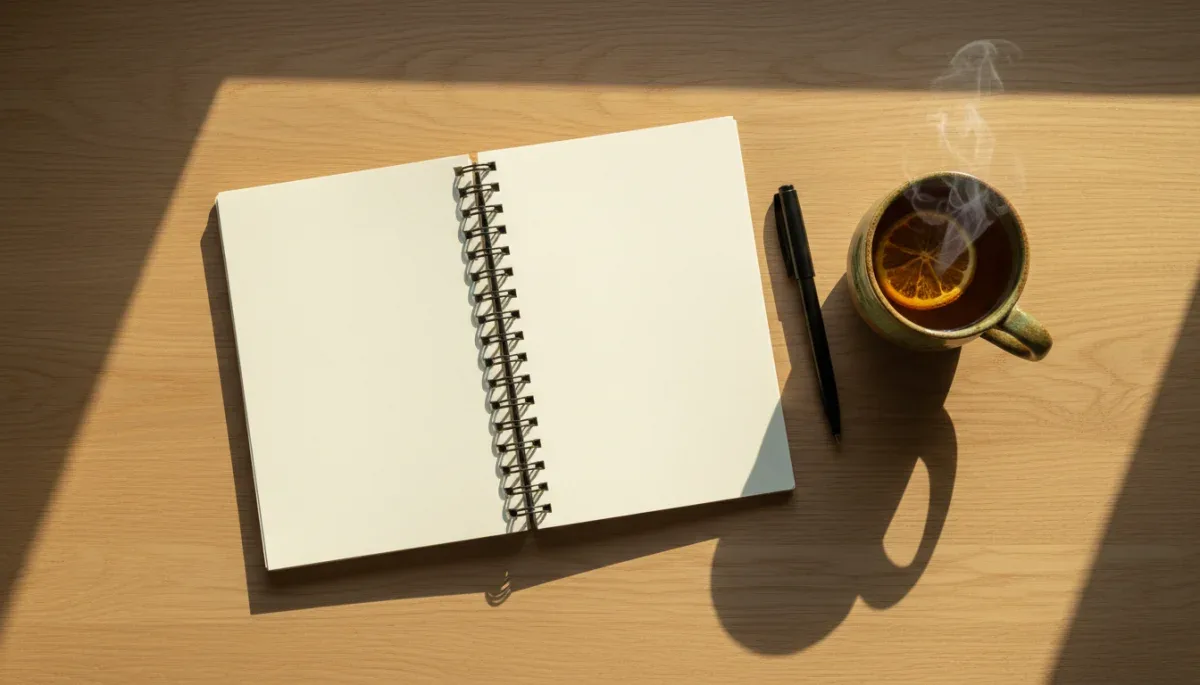
- Tie writing to an established routine: Pair your journaling session with an existing habit, such as sitting down with your morning coffee.
- Review and adapt monthly: Modify or switch your method if your current format feels burdensome or unhelpful.
At a glance
| Journaling method | What to know |
|---|---|
| Stream of consciousness | Unfiltered longhand writing that clears mental clutter but requires 15 to 30 minutes. |
| Structured prompts | Guided questions that provide rapid focus and gratitude in under ten minutes daily. |
| Rapid bullet logging | A concise list combining tasks and observations for practical day planning. |
| Digital journaling | Searchable, highly portable entries suitable for frequent travelers comfortable with screens. |
Frequently asked questions
What should I write about if my mind goes blank?
Write an exact description of your immediate physical surroundings, your current physical sensations, or the simple phrase that you do not know what to write. Describing the room temperature, ambient sounds, or morning light quickly breaks mental inertia and allows organic thoughts to surface naturally.
Is handwriting significantly better than typing in a journal?
Handwriting slows down your thought process, which often helps with emotional regulation and deep cognitive processing during quiet reflection. However, typing is a completely valid alternative if physical handwriting causes discomfort, takes too much time, or prevents you from maintaining a regular daily routine.
How long should a productive morning journaling session take?
A productive session can take anywhere from three to twenty minutes depending entirely on your chosen format. Structured prompts and bullet lists usually take five minutes, while multi-page stream-of-consciousness writing generally requires twenty to thirty minutes of continuous writing time.
What happens if I skip a few days of journaling?
Resume your practice on the next available morning without attempting to backfill missed entries or feeling guilty about the break. Morning journaling is a functional tool designed to serve your daily clarity, not an academic assignment that requires a flawless attendance record.
The bottom line
The most effective morning journaling methods are those that integrate smoothly into your actual morning routine without adding pressure or unnecessary complexity. Whether you choose unfiltered stream-of-consciousness pages, quick structured prompts, or rapid bullet logging, the primary benefit comes from establishing a calm, deliberate pause before the demands of the day take over. Before purchasing specialty notebooks or complex apps, check your actual morning schedule to determine realistically how many minutes you can comfortably dedicate each day.
Written by
Maria Eduarda
Maria Eduarda writes about tech & life, gift guides and seasonal toys for portalreborn.com. Each article explains how things work, compares published details such as prices, policies and program rules, and points readers to the official source before they decide.