
How public library digital cards support adult learning
Advertisement
Public library digital cards support adult continuous learning by granting direct, no-cost entry to university-grade databases, structured professional skill courses, comprehensive language tools, and vast collections of non-fiction audiobooks and digital texts. This open digital infrastructure enables adults to build professional competencies, explore independent intellectual interests, and keep pace with evolving industry demands without financial strain.
This accessible system serves working adults, career changers, and lifelong readers who need adaptable educational schedules, although service availability, software suites, and monthly borrowing quotas vary depending on the funding and licensing arrangements of each local library jurisdiction. Because municipal libraries negotiate specific geographic vendor contracts, understanding how to navigate these digital platforms is the key to creating a sustainable, self-directed curriculum.
Accessing structured professional courses and workforce certifications
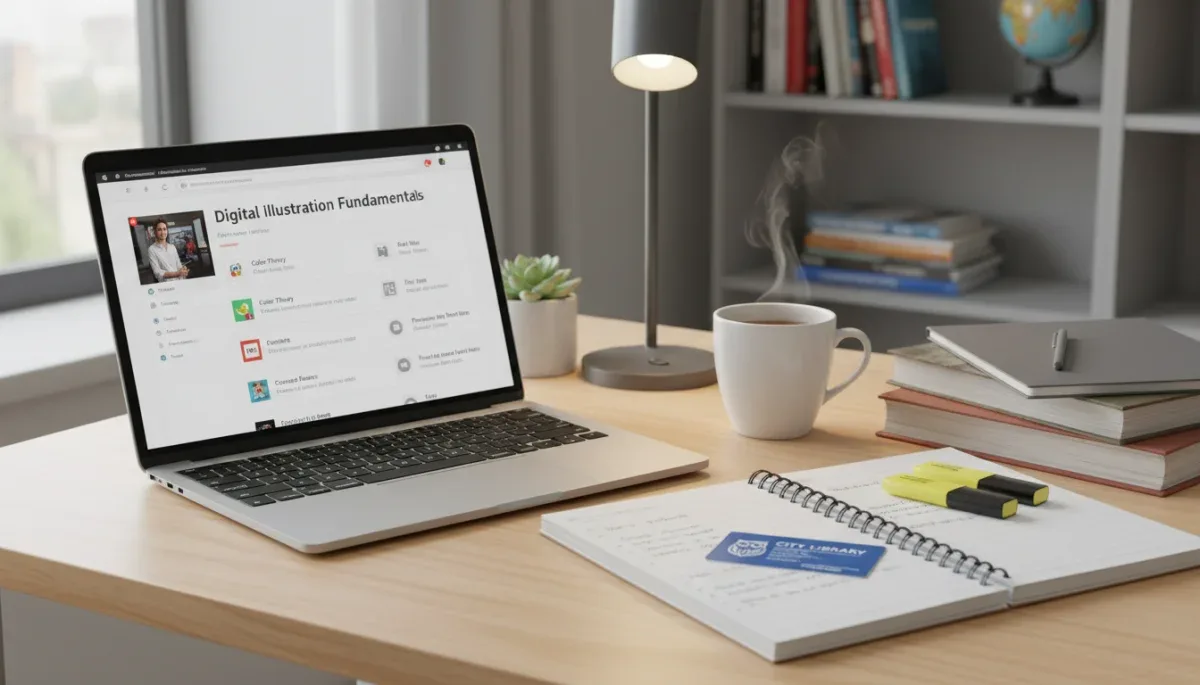
Adult continuous learning frequently requires structured, verifiable coursework to support career advancement or occupational pivoting. Modern public library digital cards often bridge the gap between expensive enterprise training software and individual learners by offering free entry to major learning platforms. Through enterprise agreements such as LinkedIn Learning for Library, patrons can access thousands of instructional video modules covering business administration, software architecture, leadership development, data science, and graphic communication using only their barcode and pin.
Advertisement
Unlike personal subscription tiers that require recurring credit card charges, access facilitated by public library digital cards functions through authenticated library portals. These platforms provide organized instructional paths taught by industry specialists, complete with exercise files, code repositories, and downloadable supplementary readings. Once a course sequence is completed, learners can generate certificates of completion to post on professional networking profiles or append to resumes, offering transparent evidence of continuing professional development without personal expenditure.
Beyond video repositories, many library systems license instructor-led continuing education systems such as Gale Courses. These digital classrooms operate on structured six-week academic cycles, providing formal syllabi, assigned weekly coursework, and discussion boards moderated by real instructors. Adults who thrive with clear deadlines and structured accountability can study accounting fundamentals, medical terminology, computer programming languages, or grant writing at their own pace from home.
Core career learning resources available via library portals
- Enterprise business courses: Platforms like LinkedIn Learning provide vetted instructional tracks in project management, spreadsheets, and organizational psychology.
- Instructor-moderated continuing education: Services such as Gale Courses deliver structured weekly modules with practical assignments and teacher assessments.
- Standardized test preparation: Portals like Peterson's Test and Career Prep offer full practice examinations for licensing, civil service, and graduate admissions.
- Software certification paths: Specialized modules prepare candidates for credentialing in cloud infrastructure, office applications, and digital editing suites.
Expanding reading habits through digital audiobooks and text collections
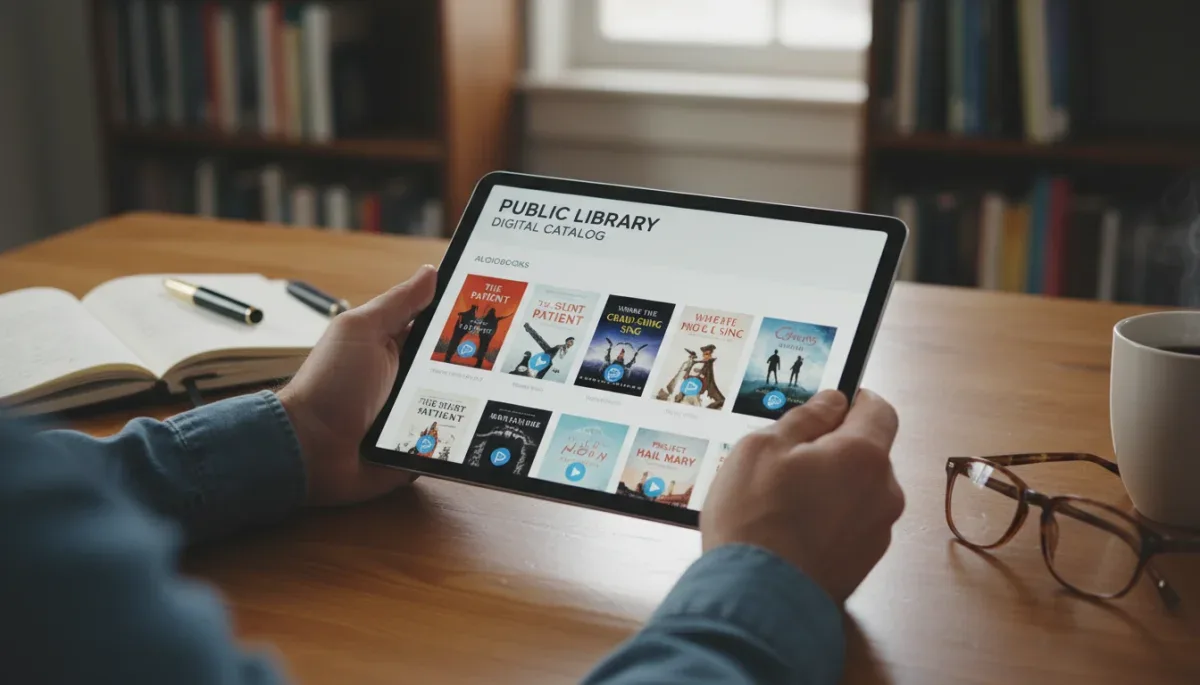
Sustained reading remains one of the most reliable avenues for cognitive maintenance and personal development, yet the cost of hardcover business and technical titles can restrict regular study. Public library digital cards integrate with digital lending distributors such as OverDrive, Libby, and Hoopla, delivering thousands of contemporary nonfiction, history, leadership, and science titles directly to smartphones, tablets, and ereaders. This eliminates shelf space constraints and removes late fees through automated loan expiration.
Audiobooks delivered through digital card apps have fundamentally transformed adult learning routines by turning passive transit or routine domestic tasks into productive study sessions. Commuters, parents, and remote workers who lack long stretches of uninterrupted desk time can absorb complex ideas, historical analyses, and industry memoirs while driving, walking, or cooking. The playback applications offer adjustable narration speeds, chapter bookmarking, and integrated sleep timers, making technical listening both practical and customizable.
Additionally, digital library applications accommodate visual accessibility needs that printed editions cannot address. Readers can dynamically adjust font scales, choose high-contrast themes, or switch to specialized dyslexia-friendly typefaces directly inside their reading applications. For adults returning to technical study after decades away from formal academia, these ergonomic adjustments make dense nonfiction literature considerably more approachable.
Key digital reading tools for everyday study
- Variable playback speeds: Audio platforms allow users to increase narration pace to review informational nonfiction more efficiently.
- Synchronized cross-device bookmarks: Progress and highlighted passages automatically sync across phones, desktop browsers, and specialized ereaders.
- Automated returns: Digital loans return themselves automatically on the designated due date, preventing unexpected fines.
- Custom typography settings: Users can modify line spacing, contrast, and font weight to reduce visual fatigue during long study sessions.
Language acquisition and cultural fluency tools
Second language acquisition supports cognitive reserve, expands employment opportunities, and enriches cross-cultural communication. However, commercial consumer language applications frequently place comprehensive grammar lessons, speech recognition engines, and native speaker recordings behind costly monthly paywalls. Public library digital cards grant free entry to premier language acquisition platforms such as Mango Languages, Pronunciator, and Rosetta Stone, depending on the municipal subscription portfolio.
These library-funded software programs focus on organic conversational competence, structural grammar comprehension, and cultural context rather than mere vocabulary matching. Mango Languages, for instance, breaks down everyday spoken phrases using intuitive color-coding that highlights grammatical relationships between the target language and English. Integrated algorithmic review intervals reinforce vocabulary retention, helping adult learners move terminology from short-term memory into permanent cognitive storage.
Furthermore, these digital card privileges often extend beyond introductory levels into advanced cultural education. Adult learners can access streaming world cinema, foreign language newspapers via PressReader, and international radio broadcasts. Immersion in authentic source material enables learners to hear regional dialects, master practical conversational cadence, and deepen their understanding of cultural nuances necessary for business diplomacy or travel.
Advanced language acquisition features
- Cultural context notes: Built-in cultural commentary teaches appropriate social etiquette, register, and regional conventions alongside grammar.
- Acoustic speech mapping: Visual voice comparison tools record the learner's pronunciation and map it against native speaker sound waves.
- Spaced repetition reviews: Automated memory algorithms present vocabulary right as retention begins to fade, establishing lasting recall.
- Specialized terminology tracks: Focused modules address industry-specific language needs such as medical terminology, legal dialogue, and business negotiations.
Technical skills, software tutorials, and creative arts
Modern workplaces and creative pursuits demand regular software adaptation, from mastering digital video editing tools to understanding data visualization suites. Public library digital cards serve as direct conduits to technical literacy by underwriting specialized video databases and digital project repositories. Adults seeking to learn coding languages such as Python or web frameworks can access organized developer training paths without paying enterprise software training costs.
For creative and hands-on disciplines, many municipal card networks license platforms like Creativebug or Craftsy. These services feature video workshops presented by master artisans, designers, and educators, covering sewing, illustration, woodworking, ceramics, and mixed-media arts. Rather than relying on unstructured, ad-supported internet clips with fluctuating instruction quality, library patrons receive high-definition, chaptered video guides backed by printable pattern libraries and exact material lists.
Similarly, for adults interested in music theory, sound engineering, or visual arts history, digital library memberships often provide streaming rights to educational institutions and specialized visual archives. By combining technical theory with practical demonstrations, these digital repositories empower adult hobbyists and independent creators to systematically master difficult artistic techniques within home environments.
Practical creative and technical proficiencies supported
- Full-stack programming: Structured video lessons guide adult learners from initial syntax to real-world code compilation.
- Data visualization: Tutorials demonstrate how to build interactive charts and clean data using industry-standard applications.
- Studio arts instruction: Step-by-step masterclasses guide learners through traditional drawing, painting, and architectural drafting techniques.
- Digital media editing: Detailed walk-throughs explain non-linear video editing, audio mixing, and vector graphic composition.
High-quality research databases and news subscriptions
Independent research and intellectual self-cultivation require access to peer-reviewed academic literature, authoritative market reports, and reputable news reporting. The modern internet landscape is increasingly divided by paywalls, leaving casual readers reliant on biased sources or incomplete summaries. Public library digital cards resolve this issue by unlocking access to academic databases that are otherwise restricted to university campuses and corporate research departments.
Through institutional subscriptions like EBSCOhost, ProQuest, and JSTOR, a library cardholder can search millions of peer-reviewed journal articles, historical documents, and doctoral dissertations. Whether an adult is conducting independent genealogy research, investigating a personal health topic, or studying civic history, these platforms provide primary documentation rather than third-party speculation. The databases include citation generators, advanced boolean search operators, and complete PDF downloads for offline review.
In addition to scholarly archives, library digital cards frequently include full daily digital passes to major national and international newspapers, such as The New York Times, The Wall Street Journal, and foreign periodicals. By accessing these publications through dedicated library authentication tokens, readers stay informed on current economic events, global diplomacy, and civic affairs through thoroughly reported journalism, avoiding the cumulative expense of multiple standalone digital news subscriptions.
Major reference and research repositories
- Peer-reviewed academic databases: Portals like JSTOR and ProQuest provide unhindered access to scientific, sociological, and historical literature.
- Business intelligence repositories: Resources like Morningstar and Mergent Online offer independent stock evaluations, mutual fund data, and balance sheets.
- Genealogical document libraries: Portals like HeritageQuest grant access to historic census entries, immigration logs, and municipal records.
- Full-access journalism portals: Day-pass access links unlock paywalled national newspapers and comprehensive regional publication archives.
Removing financial barriers and navigating local access policies
The primary advantage of relying on public library digital cards for adult continuous education is the complete removal of financial friction. Commercial learning subscriptions, individual academic paper purchases, and consumer digital book memberships quickly accumulate into hundreds of dollars per year. A library card reclaims these instructional tools as collective public infrastructure, ensuring that an individual's financial status does not limit their ability to develop new skills or gain knowledge.
To maximize these benefits, learners must understand the administrative structure of their local municipal library network. Most public libraries issue digital-only cards instantly online through an identity verification system that confirms local residency via zip code or address lookup. These digital e-cards grant immediate access to online databases, streaming services, and book downloads, though some institutions may require an in-person visit with photo identification to convert a temporary digital account into a permanent, unrestricted library card.
It is also worthwhile to research regional reciprocal borrowing arrangements. In many states and metropolitan areas, individual county or city systems enter into cooperative lending agreements. This means that holding a library card in one municipality may qualify an adult for reciprocal digital privileges in an adjacent library network, expanding their catalogue selections, shortening wait times for popular educational texts, and broadening access to diverse instructional software suites.
Steps to optimize your digital card benefits
- Verify local residency: Register on your city or county library website using your residential address to obtain an immediate digital card number.
- Explore reciprocal borrowing: Review nearby municipal systems to see if your county card grants reciprocal privileges in neighboring libraries.
- Inspect the digital resources page: Look beyond the basic book catalog to find the library's databases, online learning portals, and newspaper subscriptions.
- Monitor monthly lending limits: Note platform caps, particularly on media services like Hoopla or Kanopy, to manage your monthly educational study plan.
At a glance
| Platform category | What to know |
|---|---|
| Professional development | Library portals offer free video modules and instructor-led courses with verifiable completion certificates. |
| Digital reading and audio | Applications like Libby and Hoopla provide free non-fiction texts and audiobooks with automatic return systems. |
| Language learning | Platforms like Mango Languages offer structured pronunciation, grammar, and cultural instruction at no cost. |
| Scholarly research | Database access to JSTOR, ProQuest, and major national newspapers bypasses restrictive internet paywalls. |
Frequently asked questions
Can I get a digital library card without visiting a physical branch?
Yes, most public library systems allow adult residents to register for an e-card directly through their official website. The system typically verifies your home address automatically using public records databases, granting immediate access to electronic books, audiobooks, and educational learning portals.
Are course completion certificates from library portals recognized by employers?
Yes, certificates issued through platforms like LinkedIn Learning for Library carry the same curriculum credentials as paid individual consumer accounts. You can download these certificates as verifiable PDF documents or link them directly to your public professional profile to showcase completed coursework.
Do digital library books and audiobooks carry late return fees?
No, digital library materials never accumulate late return fees. When the designated loan period ends, the downloaded file license automatically expires and returns itself to the library catalog, ensuring you never face unexpected financial penalties for unread material.
Why does my library offer different digital apps than a neighboring city?
Public libraries negotiate independent software and digital content licensing agreements based on their specific annual operating budgets and community priorities. Because municipal budgets vary, each library system curates its own unique digital collection and proprietary database subscriptions.
The bottom line
Public library digital cards transform modern mobile devices into comprehensive, tuition-free learning centers stocked with academic journals, workforce training courses, and diverse reading materials. Utilizing these municipal systems removes commercial financial barriers to self-improvement while maintaining total flexibility around personal and professional schedules. Before starting your next study project, check your local library system's online digital resources directory to confirm which specific software suites, course platforms, and research databases your card unlocks.
Written by
Maria Eduarda
Maria Eduarda writes about tech & life, gift guides and seasonal toys for portalreborn.com. Each article explains how things work, compares published details such as prices, policies and program rules, and points readers to the official source before they decide.