AI-Powered Meal Planning: Save 20% on Groceries with 2026 Apps
Advertisements
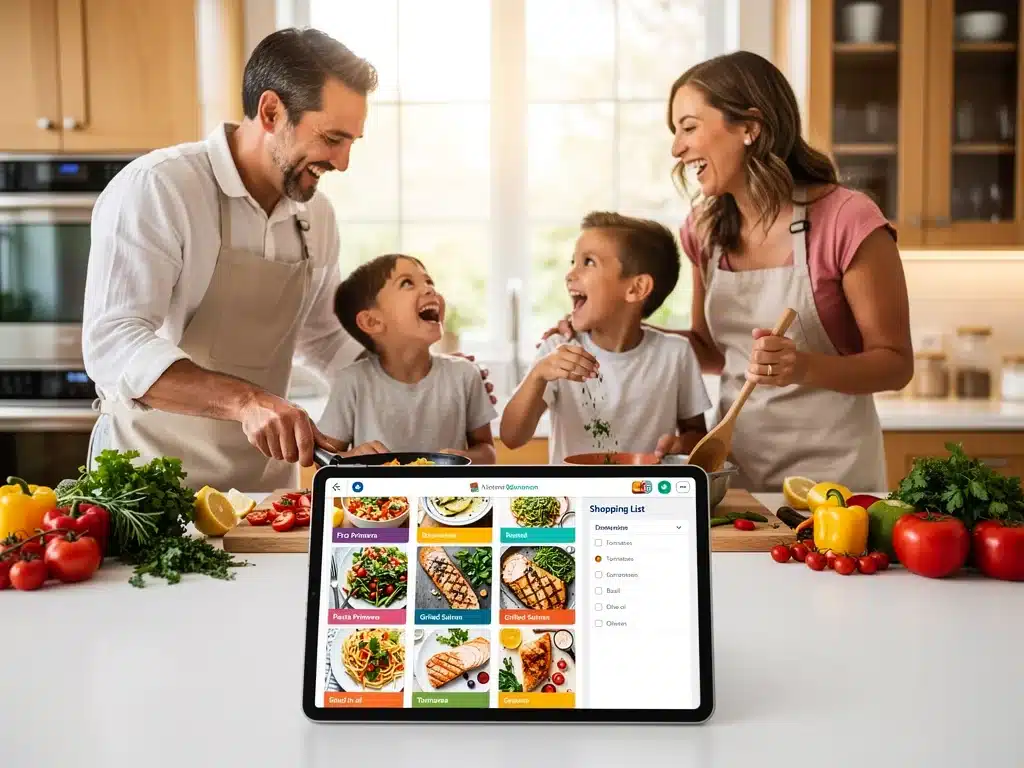
AI-powered meal planning apps are transforming how families manage their groceries in 2026, offering significant savings of up to 20% and streamlining the entire meal preparation process from recipe selection to shopping list generation.
Navigating family meal planning can often feel like a complex puzzle, balancing nutrition, preferences, and budget, but in 2026, AI-powered meal planning apps are emerging as a game-changer, promising to simplify this daily challenge and significantly cut down on grocery expenses.
Advertisements
The evolution of meal planning: from pen and paper to AI
Meal planning has undergone a remarkable transformation over the years, evolving from simple handwritten notes and clipped recipes to sophisticated digital tools. The advent of artificial intelligence has marked a pivotal moment in this evolution, introducing a level of personalization, efficiency, and cost-effectiveness previously unimaginable. In 2026, AI is not just a buzzword; it’s an integral component of daily household management, particularly in the realm of food.
Historically, families relied on cookbooks, word-of-mouth, and trial-and-error to decide what to eat. This often led to repetitive meals, forgotten ingredients, and substantial food waste. The digital age brought about recipe websites and basic meal planners, which offered a centralized database of recipes but lacked the intelligence to adapt to individual family needs dynamically. These early digital solutions, while a step forward, still required significant manual input and decision-making from the user. They helped organize existing information but didn’t actively learn or optimize.
The shortcomings of traditional methods
Traditional meal planning, whether analog or early digital, presented several common challenges that AI is now adept at solving. These issues often contributed to higher grocery bills and increased stress for family meal preparers.
- Lack of personalization: Generic meal plans rarely cater to specific dietary restrictions, allergies, or taste preferences within a household.
- Inefficient grocery shopping: Manually compiled lists often result in forgotten items, impulse purchases, or overbuying, leading to waste.
- Recipe fatigue: It’s easy to fall into a rut, cooking the same few meals repeatedly, which can lead to boredom and a less varied diet.
- Budget overruns: Without real-time price comparisons or optimization, grocery spending can quickly spiral out of control.
The transition to AI-powered solutions addresses these fundamental flaws by introducing adaptive learning and predictive capabilities. These advanced apps leverage data to understand user behavior, optimize choices, and actively contribute to more sustainable and economical household practices. This paradigm shift means less time spent worrying about what to cook and more time enjoying meals with family, all while keeping a closer eye on the budget.
How AI meal planning apps save you money
The promise of saving up to 20% on groceries with AI meal planning apps isn’t just an attractive marketing claim; it’s a tangible benefit rooted in sophisticated algorithms and data analysis. These applications go beyond simple recipe suggestions, integrating various functionalities that directly impact your household budget.
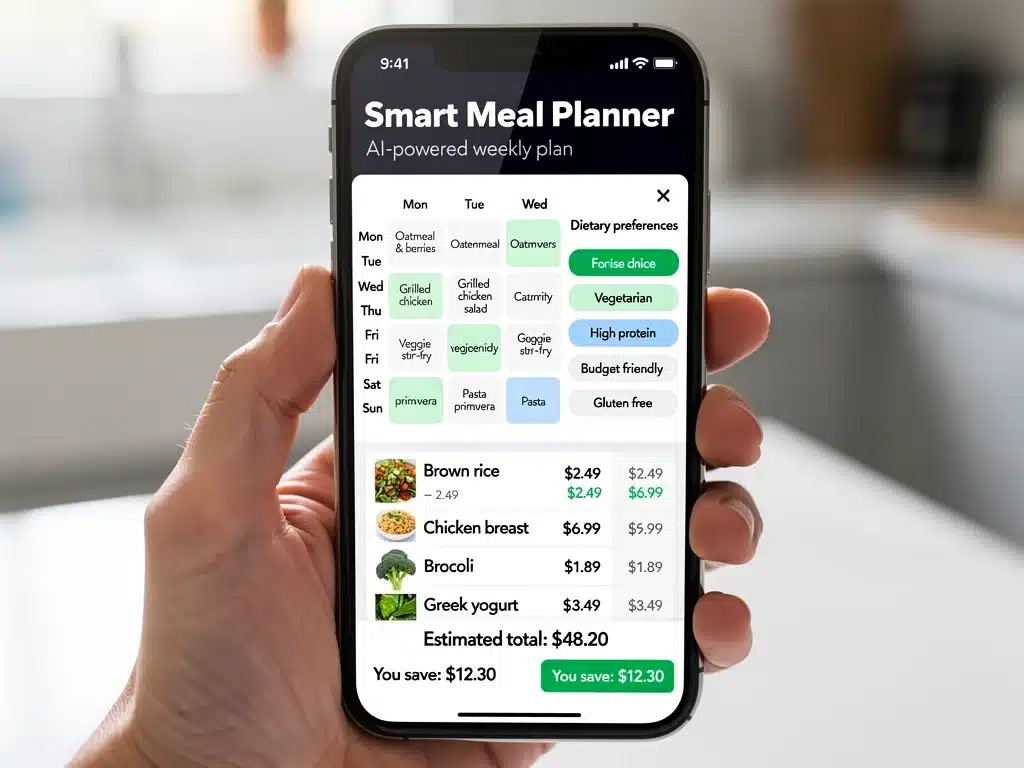
One of the primary ways AI apps reduce costs is through intelligent grocery list generation. Instead of creating a list from scratch, the app analyzes your chosen recipes, identifies overlapping ingredients, and suggests optimal quantities, minimizing waste. Furthermore, many 2026 apps integrate with local grocery store inventories and pricing, allowing them to compare prices in real-time and recommend where to buy each item for the best value. This feature alone can lead to substantial savings, as prices for common staples can vary significantly between retailers.
Dynamic inventory management and waste reduction
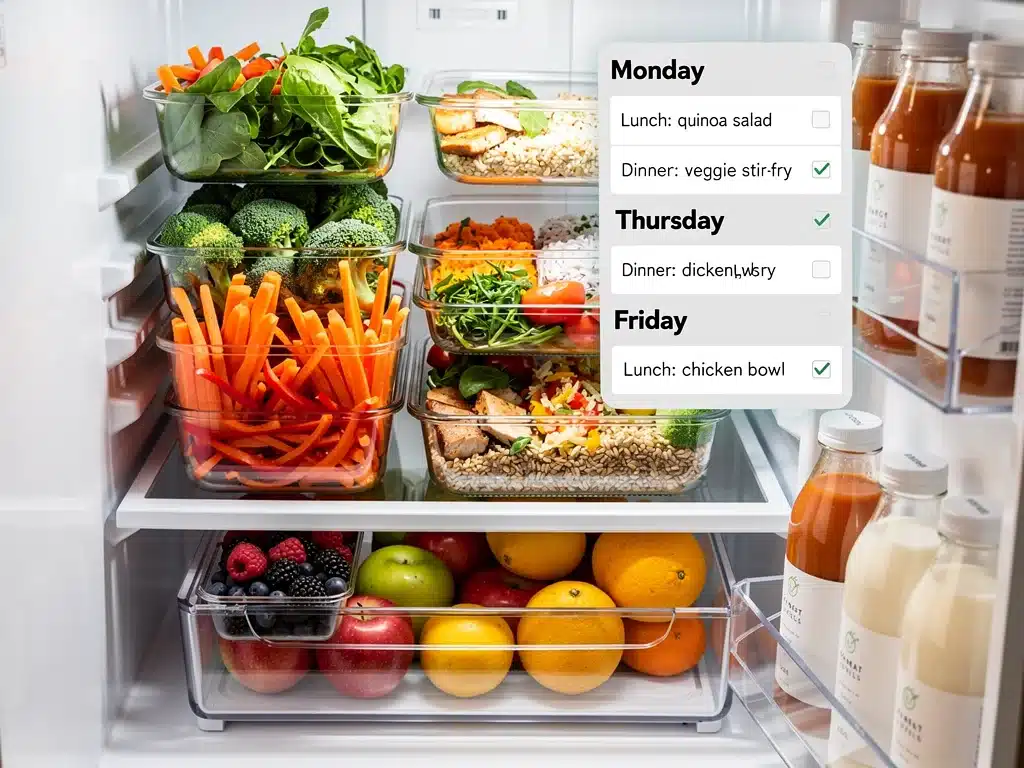
AI apps are increasingly incorporating features that help families manage their existing pantry and refrigerator inventories. By allowing users to log what they already have on hand, the app can suggest recipes that utilize those ingredients first, preventing food from expiring and going to waste. This proactive approach to inventory management is a cornerstone of cost-saving.
- Ingredient utilization: Apps prioritize recipes that use ingredients already present, reducing the need for new purchases.
- Expiration tracking: Some advanced apps can even track expiration dates, prompting users to use items before they spoil.
- Portion control: AI helps scale recipes to match the exact number of servings needed, preventing over-preparation and leftovers that might be discarded.
Beyond ingredient management, AI also plays a crucial role in predicting future needs. By learning your family’s consumption patterns and preferred meal types, the app can anticipate what you’ll need, helping you plan for bulk purchases of non-perishables when they are on sale. This strategic purchasing, guided by AI, transforms grocery shopping from a reactive chore into a well-orchestrated, budget-conscious operation, ultimately leading to significant financial benefits and a greener household.
Personalization at its best: tailoring meals to your family
The true power of AI in meal planning lies in its unparalleled ability to personalize every aspect of your family’s culinary journey. Gone are the days of one-size-fits-all meal plans that inevitably lead to uneaten food and frustrated family members. In 2026, AI apps are designed to learn, adapt, and cater to the unique tapestry of tastes, dietary requirements, and schedules that define modern family life.
These applications begin by collecting comprehensive data on your family’s preferences. This includes logging favorite cuisines, disliked ingredients, allergies, and any specific dietary needs such as vegetarian, gluten-free, or low-carb. Over time, as you use the app and provide feedback on meals, the AI refines its understanding, making increasingly accurate and appealing recommendations. This iterative learning process ensures that the meal plans evolve with your family’s changing tastes and needs.
Integrating dietary needs and preferences seamlessly
One of the most significant advantages of AI-powered personalization is its capacity to handle complex dietary restrictions without making meal planning feel restrictive. For families with multiple dietary considerations, manually planning meals can be a daunting task. AI algorithms can effortlessly cross-reference ingredients, ensuring that every suggested recipe adheres to all specified requirements, from allergies to ethical food choices.
- Allergy management: Automatically filters out recipes containing common allergens like nuts, dairy, or gluten.
- Dietary adaptations: Suggests suitable substitutions or modifications for recipes to fit vegetarian, vegan, or other specific diets.
- Taste profiles: Learns individual family members’ taste preferences, ensuring a higher acceptance rate for meals.
Furthermore, AI apps can also factor in your family’s schedule and cooking skill level. If you have a busy week, the app might suggest quick, easy-to-prepare meals. For weekends, it could recommend more elaborate recipes if you have more time. This holistic approach to personalization not only ensures that meals are enjoyed but also empowers families to maintain a healthy, varied diet without the usual stress, making mealtime a more pleasant and anticipated part of the day.
Top AI meal planning apps to watch in 2026
As we delve deeper into 2026, the landscape of AI-powered meal planning apps is rich with innovative solutions, each offering unique features designed to simplify family life and reduce grocery expenditures. While the market is dynamic, a few standout applications are leading the charge, demonstrating the true potential of artificial intelligence in the kitchen.
These apps leverage cutting-edge AI to provide personalized meal recommendations, optimize grocery lists, and even integrate with smart kitchen appliances. They are not merely digital recipe books but comprehensive ecosystems that manage every aspect of meal preparation, from conception to consumption. The competition among developers means continuous innovation, bringing more sophisticated and user-friendly features to the forefront.
Leading innovators in the AI meal planning space
Several apps have distinguished themselves through their advanced AI capabilities and user-centric design. These platforms often combine robust recipe databases with intelligent algorithms to deliver a seamless experience.
- FlavorMind: Known for its exceptional ability to learn family preferences and suggest highly customized meals, integrating local store sales data.
- NutriPlan AI: Focuses heavily on nutritional balance, offering detailed macronutrient breakdowns and catering to specific health goals, alongside cost-saving features.
- PantryPal: Excels in inventory management, helping users minimize food waste by building meal plans around ingredients they already own.
- ChefGPT: An all-rounder with strong integration capabilities for smart home devices, allowing for voice-activated recipe guidance and automatic grocery ordering.
When selecting an app, consider factors such as the user interface, the depth of personalization, integration with local grocery stores, and the community support available. Many offer free trials, providing an excellent opportunity to test which platform best aligns with your family’s unique needs and lifestyle. Investing time in choosing the right app can yield substantial long-term benefits in both financial savings and a healthier, less stressful approach to family meals.
Integrating AI meal planning into your family’s routine
Successfully adopting an AI meal planning app into your family’s daily routine requires a thoughtful approach and a willingness to embrace new technologies. It’s not just about downloading an app; it’s about integrating a new system into your lifestyle that will ultimately streamline your culinary processes and save money. The key to seamless integration lies in understanding the app’s capabilities and gradually incorporating its features.
Start by setting aside a dedicated time each week to plan your meals using the app. This could be Sunday afternoon, for example, when you can review the week ahead, input any special events or dietary needs, and finalize your meal choices. Involve your family in this process, allowing them to provide feedback on suggested meals and contribute their own preferences. This not only increases buy-in but also helps the AI learn more effectively about everyone’s tastes.
Tips for a smooth transition
Making the switch to AI-powered meal planning can be effortless with a few strategic steps. These tips focus on maximizing the app’s potential and ensuring it becomes a valuable tool rather than another unused download.
- Start small: Don’t try to overhaul your entire meal planning system overnight. Begin by planning just a few meals a week with the app, gradually expanding as you become more comfortable.
- Provide feedback: Actively rate recipes and indicate preferences within the app. The more data you provide, the smarter and more personalized its suggestions will become.
- Utilize smart features: Explore all the app’s functionalities, such as pantry inventory tracking, smart grocery lists, and budget optimization tools. These are designed to save you time and money.
Remember that consistency is crucial. The more regularly you use the app, the more it learns and adapts to your family’s specific needs, leading to more accurate recommendations and greater savings. Over time, you’ll find that what once felt like a chore transforms into an efficient, enjoyable part of your week, freeing up mental space and financial resources for other family priorities. This integration represents a significant step towards a more organized and economical household.
Beyond savings: the added benefits of AI meal planning
While the financial savings of up to 20% on groceries are a compelling reason to adopt AI meal planning apps, their benefits extend far beyond the balance sheet. These applications significantly enhance overall family well-being, improve dietary habits, and contribute to a more sustainable household. The convenience and efficiency they offer translate into more quality time for families and less stress in daily life.
One major non-financial benefit is the reduction of food waste. By optimizing grocery lists and prioritizing existing pantry items, AI apps help families consume what they buy, leading to less food ending up in landfills. This not only aligns with environmental consciousness but also ensures that the money spent on groceries is fully utilized. Furthermore, the personalized recipe suggestions often introduce families to a wider variety of nutritious meals, encouraging healthier eating habits and expanding culinary horizons.
Enhancing family well-being and reducing stress
The mental burden of daily meal planning, often referred to as ‘decision fatigue,’ is a significant source of stress for many parents. AI apps alleviate this burden by automating much of the decision-making process, presenting well-researched and personalized options. This reduction in cognitive load frees up mental energy, allowing individuals to focus on other important aspects of family life.
- Time savings: Less time spent planning meals and creating grocery lists means more time for family activities or personal pursuits.
- Reduced stress: The automation of meal decisions minimizes daily planning anxiety and last-minute dinner scrambles.
- Healthier eating: Access to diverse, nutritionally balanced recipes encourages a varied and healthier diet for the entire family.
- Culinary exploration: AI can introduce new ingredients and cooking techniques, making meal preparation more exciting and educational.
Ultimately, AI meal planning apps contribute to a more harmonious household environment. By taking the guesswork out of what’s for dinner, they foster a sense of calm and predictability. This holistic improvement in meal management not only saves money but also enriches family life, promoting healthier eating, reducing waste, and creating more opportunities for shared experiences around the dinner table.
The future of AI in family kitchens: what’s next?
The rapid advancements in artificial intelligence suggest that the current generation of AI meal planning apps is just the beginning. The future of AI in family kitchens promises even more sophisticated integrations, predictive capabilities, and a seamless culinary experience that further simplifies daily life and maximizes efficiency. We can anticipate a world where meal planning is not just automated but truly intelligent and anticipatory.
Imagine a smart kitchen that actively monitors your pantry and refrigerator, automatically updating your AI meal planning app with real-time inventory. Future apps could then proactively suggest meals based on expiring ingredients, current sales, and even your family’s activity levels for the day, adjusting calorie and nutrient recommendations accordingly. This level of integration would move beyond mere suggestions to a truly integrated, self-optimizing food management system.
Emerging trends and predictive capabilities
Several key trends are expected to shape the next wave of AI meal planning innovations, pushing the boundaries of what’s possible in the modern kitchen. These advancements will focus on making the entire food cycle, from grocery shopping to cooking, even more intuitive and personalized.
- Hyper-personalization: AI will delve deeper into individual biometric data and health goals, linking with wearable tech to tailor nutrition plans more precisely.
- Voice and gesture control: Fully integrated smart kitchens will allow for hands-free meal planning, recipe navigation, and grocery ordering through voice commands or gestures.
- Automated grocery delivery: Apps will not only generate lists but also automatically place orders with preferred retailers for home delivery, based on your weekly plan.
- Sustainable living integration: Even greater emphasis on reducing carbon footprint through optimized ingredient sourcing, local produce suggestions, and minimal waste strategies.
The vision for the future of AI in family kitchens is one of effortless convenience and unparalleled optimization. These developments will not only continue to drive significant financial savings and reduce food waste but will also transform the act of cooking and eating into a more mindful, enjoyable, and perfectly tailored experience for every family member. The kitchen of tomorrow will be a hub of intelligent, sustainable, and delicious living.
| Key Aspect | Brief Description |
|---|---|
| Grocery Savings | AI apps optimize shopping lists and compare prices, potentially saving families up to 20%. |
| Food Waste Reduction | Intelligent inventory management helps utilize existing ingredients and minimize spoilage. |
| Personalized Meals | Apps adapt to dietary needs, preferences, and schedules for tailored recipe suggestions. |
| Time & Stress Reduction | Automates decision-making and planning, freeing up mental energy and family time. |
Frequently asked questions about AI meal planning
AI apps save money by optimizing grocery lists to reduce waste, comparing prices at local stores, and suggesting meals based on ingredients you already have. They also learn your consumption patterns to recommend bulk purchases during sales, ensuring you buy only what you need at the best price.
Yes, modern AI meal planning apps are highly capable of accommodating complex dietary restrictions. Users can input allergies, intolerances, and specific dietary preferences (e.g., vegan, gluten-free), and the AI algorithms will filter recipes and suggest substitutions to ensure all family members’ needs are met safely and deliciously.
Beyond cost savings, AI meal planning apps significantly reduce food waste, promote healthier eating habits by introducing diverse recipes, and save valuable time and reduce stress associated with daily meal decisions. They foster culinary exploration and provide a more organized approach to household food management.
AI apps personalize suggestions by learning family members’ favorite cuisines, disliked ingredients, and feedback on previous meals. They also consider schedules and cooking skill levels. This constant learning ensures that the meal plans evolve with the family’s changing tastes and needs, increasing meal satisfaction.
Future advancements include hyper-personalization linked to biometric data, voice and gesture control in smart kitchens, automated grocery delivery, and even deeper integration with smart appliances. These will create a seamless, anticipatory, and highly efficient food management ecosystem, further simplifying family meal preparation.
Conclusion
The emergence of AI-powered meal planning apps in 2026 represents a transformative shift in how families approach their daily meals and grocery shopping. These innovative tools offer not just the promise but the proven ability to significantly reduce grocery expenses by up to 20%, minimize food waste, and alleviate the inherent stress of meal preparation. By leveraging sophisticated algorithms, they provide unparalleled personalization, catering to diverse dietary needs and evolving family preferences. As technology continues to advance, we can anticipate even more integrated and intelligent kitchen solutions, further enhancing convenience, promoting healthier lifestyles, and contributing to a more sustainable future for every household. Embracing these apps is not merely adopting a new gadget; it’s investing in a smarter, more economical, and harmonious approach to family life.