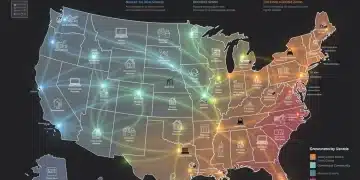
Food Security in the U.S.: 3 Innovative Solutions for Sustainable Access by 2026
Advertisements
Ensuring sustainable food access in the U.S. by 2026 necessitates adopting innovative solutions that tackle systemic issues, integrating advanced technologies, fostering community-led efforts, and implementing robust policy supports.
The challenge of Food Security in the U.S.: 3 Innovative Solutions for Sustainable Access by 2026 is not merely about having enough food, but ensuring all individuals have consistent access to sufficient, safe, and nutritious food to meet their dietary needs and food preferences for an active and healthy life. This complex issue impacts millions of Americans, transcending economic status, geography, and demographics. Addressing it effectively requires a multifaceted approach, blending technological advancements with community-driven strategies and supportive policy frameworks.
Advertisements
Understanding the current landscape of food insecurity
Before delving into solutions, it is crucial to grasp the current state of food insecurity in the United States. Despite being one of the wealthiest nations globally, a significant portion of its population still faces challenges in accessing adequate food. This problem is deeply rooted in systemic issues such as poverty, lack of access to affordable healthy food options, and economic disparities. Understanding these underlying factors is the first step toward crafting effective, sustainable interventions.
Food insecurity is not a monolithic issue; it manifests differently across various communities. Urban food deserts, where fresh produce is scarce, contrast sharply with rural areas where transportation barriers prevent access to grocery stores. The COVID-19 pandemic further exacerbated these vulnerabilities, highlighting the fragility of existing food supply chains and the immediate need for resilient, equitable systems.
Disparities in food access
Access to nutritious food is often dictated by socioeconomic status and geographic location. Low-income communities, particularly those in urban centers and remote rural areas, frequently lack supermarkets offering affordable, healthy options, relying instead on convenience stores with limited selections of processed foods. This creates a cycle of poor nutrition and health disparities.
- Income inequality: Lower wages and unstable employment often mean families must choose between food and other necessities, leading to reliance on cheaper, less nutritious options.
- Geographic isolation: Many rural areas lack grocery stores, requiring long commutes for fresh food, which is often unfeasible for those without reliable transportation.
- Racial and ethnic disparities: Communities of color disproportionately experience food insecurity due to historical injustices and systemic discrimination.
Moreover, the concept of food swamps, areas saturated with unhealthy food options, further complicates matters. Even when food is available, the prevalence of fast food and highly processed items can undermine efforts to promote healthy eating habits, contributing to diet-related diseases. Addressing these disparities requires targeted interventions that consider the unique challenges faced by different populations.
The current food system also faces environmental pressures, including climate change, which impacts agricultural yields and stability. A sustainable approach to food security must therefore integrate ecological considerations, ensuring that solutions are not only effective in the short term but also resilient for future generations. This holistic view is essential for truly transformative change.
Solution 1: leveraging technological advancements for food distribution and production
Technology offers a powerful toolkit for revolutionizing food security. From precision agriculture to blockchain-enabled supply chains, innovation can significantly enhance efficiency, reduce waste, and improve access to nutritious food. By embracing these advancements, the U.S. can build a more robust and equitable food system by 2026.
One of the most promising areas is the application of data analytics and artificial intelligence (AI) in optimizing food distribution. AI can predict demand fluctuations, identify food waste hotspots, and streamline logistics, ensuring that food reaches those who need it most, precisely when they need it. This reduces spoilage and makes the supply chain more responsive to community needs.
Precision agriculture and urban farming
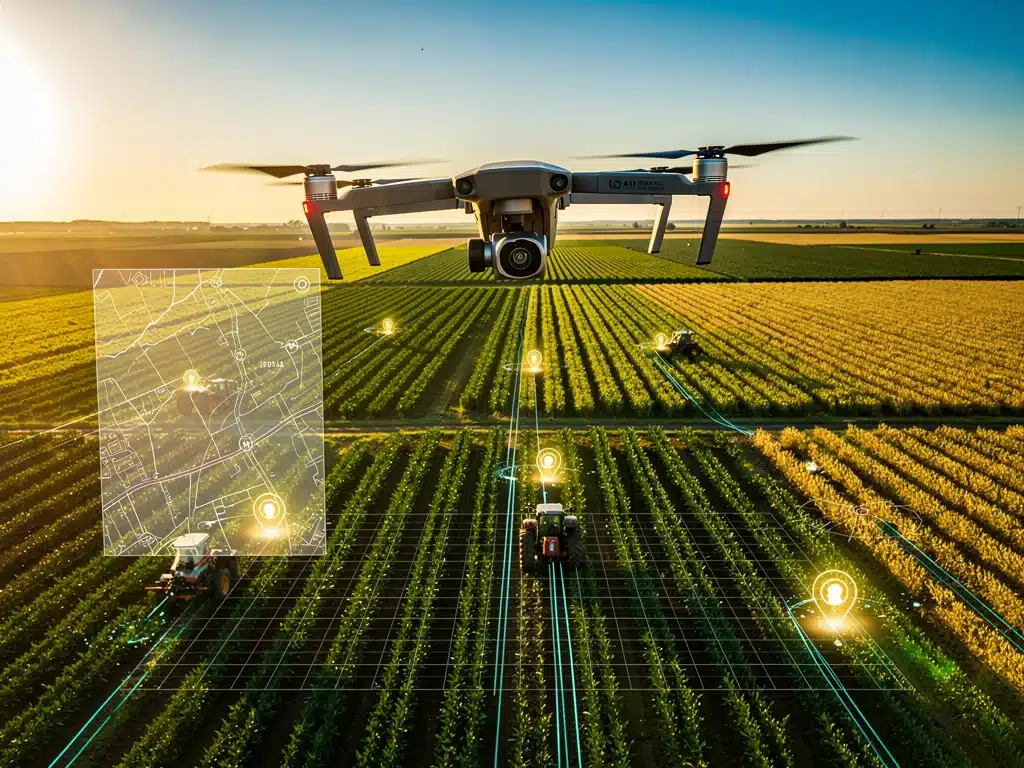
Precision agriculture uses technology to manage crops with greater accuracy, optimizing resource use and maximizing yields. This includes GPS-guided machinery, sensor technology for soil analysis, and drone surveillance for crop health monitoring. These tools allow farmers to apply water, fertilizer, and pesticides more efficiently, reducing environmental impact and increasing productivity.
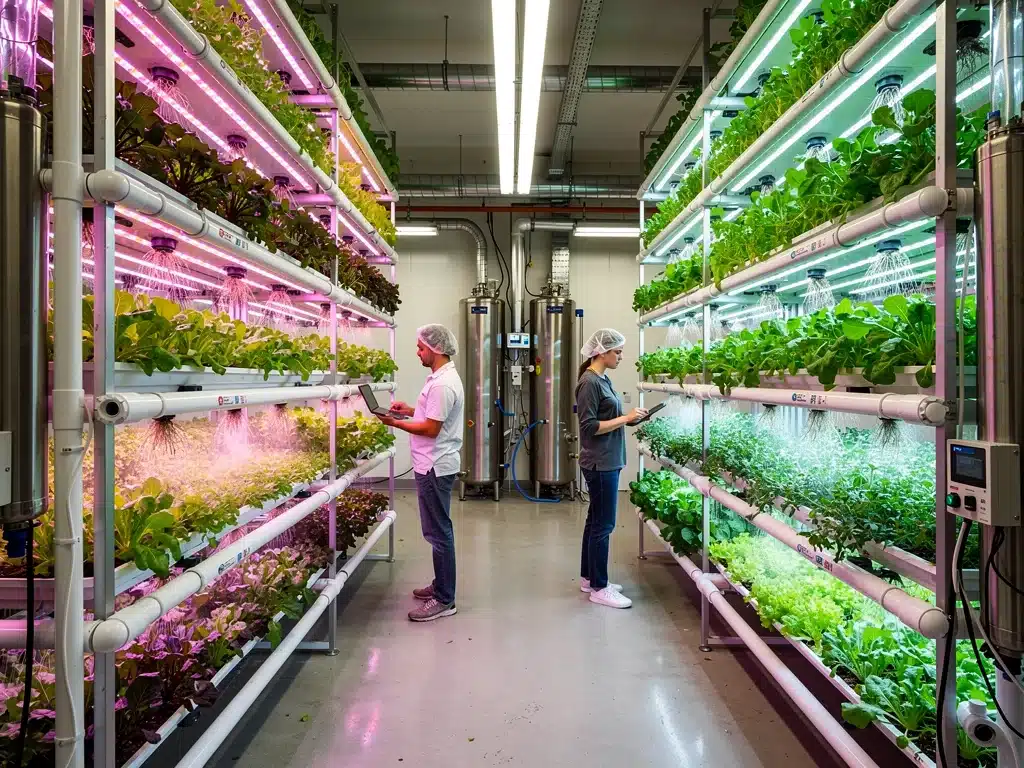
- Hydroponics and aeroponics: These soilless farming methods allow for year-round cultivation in controlled environments, making fresh produce available even in urban areas with limited land.
- Vertical farms: By growing crops in vertically stacked layers, often indoors, vertical farms can produce large quantities of food in small footprints, close to consumption centers, significantly cutting transportation costs and emissions.
- Robotics in harvesting: Automated harvesting systems can reduce labor costs and increase efficiency, particularly for delicate crops, ensuring more produce makes it to market.
Urban farming initiatives, powered by technology, are transforming vacant lots and rooftops into productive agricultural spaces. These projects not only provide fresh produce to local communities but also foster community engagement and education about sustainable food practices. They can be particularly impactful in addressing food deserts by bringing food production directly to underserved neighborhoods.
Furthermore, blockchain technology holds immense potential for enhancing transparency and traceability in the food supply chain. By creating an immutable record of a food product’s journey from farm to table, blockchain can help prevent fraud, ensure food safety, and build consumer trust. This increased transparency can also help identify inefficiencies and areas for improvement within the supply chain, ultimately contributing to greater food security. The integration of these technologies represents a significant step towards a more resilient and accessible food system.
Solution 2: strengthening community-based food initiatives and local food systems
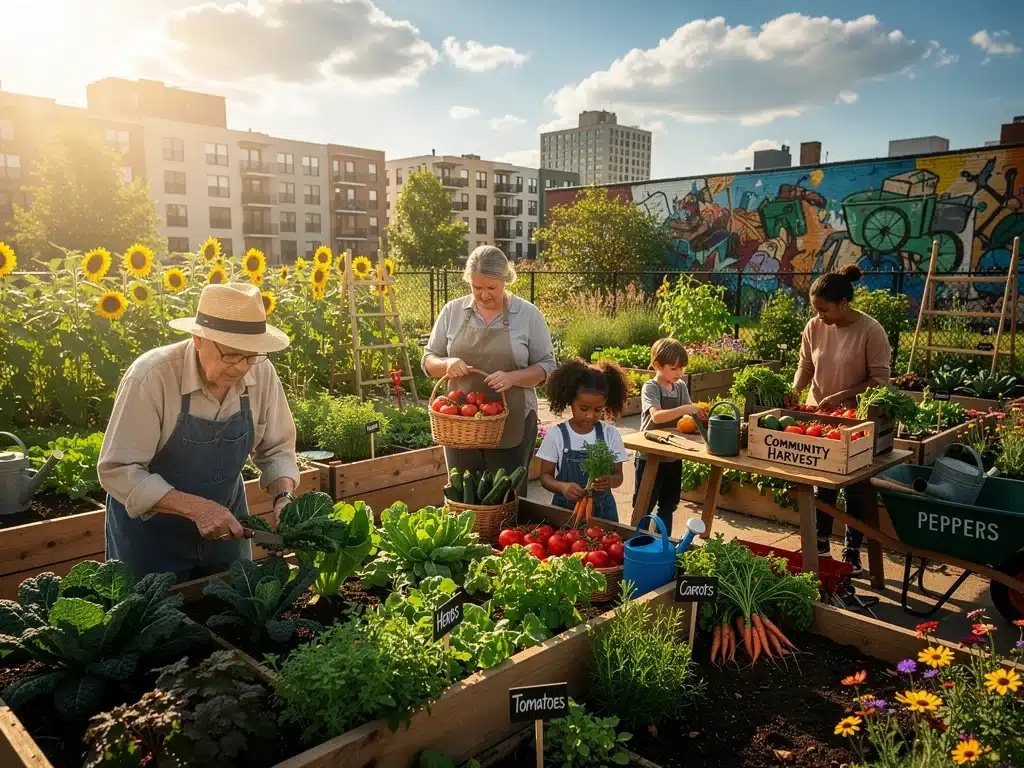
While technology offers powerful tools, the heart of sustainable food security often lies within empowered communities. Strengthening local food systems and community-based initiatives fosters resilience, promotes equitable access, and builds a sense of collective responsibility. These solutions emphasize local control, cultural relevance, and direct engagement with food production and distribution.
Community gardens, farmers’ markets, and food cooperatives are vital components of this approach. They not only provide fresh, affordable produce but also create social spaces that strengthen neighborhood ties and offer educational opportunities. These initiatives empower residents to take an active role in their food systems, fostering self-sufficiency and reducing reliance on distant, often fragile, supply chains.
Community-supported agriculture (CSA) and food hubs
Community-Supported Agriculture (CSA) programs allow consumers to purchase shares of a farm’s harvest directly, providing farmers with upfront capital and consumers with fresh, seasonal produce. This model strengthens the direct link between producers and eaters, ensuring fair prices for farmers and high-quality food for community members.
- Food hubs: These centralized facilities aggregate, store, process, and distribute locally and regionally produced food. Food hubs connect small and mid-sized farms to larger markets, such as schools, hospitals, and restaurants, making local food more accessible and economically viable for producers.
- Gleaning initiatives: Programs that collect leftover crops from farms after harvest, which would otherwise go to waste, and redistribute them to food banks and other hunger relief organizations.
- Mobile food markets: Bringing fresh produce directly to underserved neighborhoods, often operating out of converted buses or vans, overcoming transportation barriers in food deserts.
Beyond distribution, community kitchens and food skills workshops play a crucial role in enhancing food security. These programs teach residents how to prepare healthy meals with affordable ingredients, preserve food, and reduce household waste. By building culinary literacy, they empower individuals to make healthier choices and stretch their food budgets further, contributing to long-term well-being.
Furthermore, supporting local food businesses, from small-scale farms to neighborhood bakeries, can stimulate local economies and create jobs. When money spent on food circulates within the community, it generates a multiplier effect, contributing to broader economic development. This localized economic benefit is a significant advantage of strengthening community-based food systems, creating a virtuous cycle of food access and economic vitality.
Solution 3: policy and infrastructure development for equitable food access
Sustainable food security ultimately requires robust policy frameworks and infrastructure development that address systemic inequities and support innovative solutions. Government at all levels has a critical role to play in creating an enabling environment where every American has consistent access to nutritious food. This involves rethinking existing policies and investing in new, forward-thinking approaches.
Policy interventions can range from incentivizing healthy food retail in underserved areas to reforming agricultural subsidies that currently favor large-scale, often less sustainable, farming practices. The goal is to shift towards policies that prioritize public health, environmental sustainability, and social equity within the food system. Without supportive policies, even the most innovative technological and community-based solutions may struggle to achieve widespread impact.
Reforming food assistance programs
Existing food assistance programs, such as the Supplemental Nutrition Assistance Program (SNAP), are vital safety nets. However, they can be enhanced to maximize their impact on food security. Policy reforms can focus on increasing benefit adequacy, simplifying application processes, and expanding access to healthy food options through these programs.
- Double Up Food Bucks: Programs that match SNAP benefits when used to purchase fresh produce at farmers’ markets or grocery stores, incentivizing healthy eating and supporting local farmers.
- Universal free school meals: Ensuring all students have access to nutritious meals at school, regardless of family income, can significantly reduce childhood hunger and improve academic performance.
- Streamlined benefits access: Utilizing technology to simplify the application and renewal processes for food assistance programs, reducing administrative burdens and increasing participation among eligible individuals.
Investing in critical infrastructure is another cornerstone of equitable food access. This includes improving transportation networks to connect rural producers with urban markets, developing cold storage facilities to reduce food waste, and establishing community kitchens and food processing centers. These investments create the physical backbone necessary for a resilient and accessible food system.
Moreover, zoning laws and urban planning policies can be reformed to encourage the development of grocery stores and farmers’ markets in food desert areas. By removing regulatory barriers and offering incentives, local governments can attract healthy food retailers, transforming underserved neighborhoods into areas with abundant food choices. This integrated approach, combining policy reform with strategic infrastructure development, is essential for building a truly equitable food landscape across the U.S.
The role of education and awareness in fostering food security
Beyond direct interventions, fostering food security also hinges on widespread education and heightened public awareness. A well-informed populace is better equipped to make healthy dietary choices, advocate for systemic change, and participate in community initiatives. Education can demystify nutrition, highlight the environmental impact of food choices, and empower individuals to become active participants in creating a more sustainable food system.
Educational programs can be integrated into school curricula, community centers, and public health campaigns. These initiatives should focus on practical skills, such as cooking, gardening, and food preservation, alongside broader topics like food justice and the economics of food. By starting early and reaching diverse demographics, these programs can cultivate a culture of food literacy and responsibility.
Nutrition literacy and cooking skills
Many individuals lack fundamental knowledge about nutrition and how to prepare healthy meals from scratch. This gap in skills often leads to a reliance on processed foods, even when fresh ingredients are available. Bridging this gap is crucial for improving public health and reducing diet-related diseases.
- Community cooking classes: Offering free or low-cost cooking classes that teach basic culinary skills, meal planning, and budgeting for healthy food.
- School garden programs: Engaging children in growing their own food, fostering an appreciation for fresh produce and understanding where food comes from.
- Public health campaigns: Developing campaigns that effectively communicate the importance of balanced nutrition and the benefits of a diverse diet.
Raising awareness about the environmental implications of food production and consumption is equally important. Consumers who understand the impact of their choices on climate change, water resources, and biodiversity are more likely to support sustainable farming practices and reduce food waste. This includes promoting plant-based diets, sourcing locally, and reducing consumption of resource-intensive foods.
Furthermore, education can empower communities to advocate for policies that support food security. When citizens understand the systemic causes of food insecurity and the potential solutions, they can become powerful agents of change, demanding accountability from policymakers and supporting initiatives that promote equitable food access. This collective awareness and advocacy are indispensable for achieving lasting transformation.
Measuring impact and ensuring long-term sustainability
Implementing innovative solutions for food security is only half the battle; it is equally crucial to measure their impact and ensure their long-term sustainability. Without robust evaluation mechanisms, it is impossible to determine which interventions are truly effective, where improvements are needed, and how resources can be allocated most efficiently. A data-driven approach is essential for continuous improvement and accountability.
Key performance indicators (KPIs) should be established at the outset of any program, tracking metrics such as the reduction in food insecurity rates, improved access to healthy food, decreased food waste, and enhanced community engagement. These metrics provide tangible evidence of progress and help identify areas where strategies may need to be adjusted. Regular reporting and transparency are vital for maintaining public and stakeholder trust.
Data collection and evaluation frameworks
Effective measurement requires comprehensive data collection and well-designed evaluation frameworks. This involves collecting both quantitative data, such as the number of meals served or pounds of food distributed, and qualitative data, such as surveys and interviews with beneficiaries, to understand the lived experiences and perceptions of those impacted.
- Longitudinal studies: Tracking the long-term effects of interventions on health outcomes, economic stability, and community well-being to understand sustained impact.
- Community-led evaluations: Involving community members in the evaluation process to ensure that metrics and outcomes are relevant and meaningful to those directly affected.
- Technology for data management: Utilizing digital platforms and tools to efficiently collect, store, and analyze data, making insights readily available for decision-making.
Ensuring long-term sustainability also means building capacity within communities and fostering local ownership of food security initiatives. This involves training local leaders, providing technical assistance, and securing diverse funding streams that are not solely reliant on short-term grants. Programs that are deeply embedded in the community fabric and have strong local leadership are more likely to endure and adapt over time.
Moreover, sustainability extends to the financial viability of food security programs. Exploring innovative funding models, such as social impact bonds, public-private partnerships, and impact investing, can provide the necessary capital for scaling successful initiatives. By focusing on both rigorous evaluation and sustainable funding, the U.S. can build a food system that is not only secure in 2026 but for many years to come.
Collaboration and multi-sectoral partnerships
Achieving comprehensive food security in the U.S. by 2026 demands a collaborative effort involving multiple sectors and stakeholders. No single entity—government, private sector, or non-profit—can solve this complex issue alone. Instead, success hinges on forging strong, multi-sectoral partnerships that leverage diverse expertise, resources, and perspectives to create holistic and impactful solutions.
These partnerships can bridge gaps in funding, knowledge, and implementation, leading to more efficient resource utilization and broader reach. For instance, collaborations between technology companies and food banks can optimize logistics, while partnerships between healthcare providers and community gardens can promote health and nutrition education. The synergy created by these alliances is far greater than what individual efforts could achieve.
Engaging diverse stakeholders
Effective collaboration requires actively engaging a wide array of stakeholders, each bringing unique insights and capabilities to the table. This includes farmers, food retailers, distributors, policymakers, educators, researchers, community organizers, and, most importantly, individuals with lived experience of food insecurity. Their input is invaluable for designing solutions that are truly relevant and effective.
- Public-private partnerships: Governments collaborating with private businesses to invest in food infrastructure, develop innovative food technologies, and improve supply chain efficiency.
- Academic and research institutions: Partnering with universities and research centers to conduct studies, evaluate interventions, and develop evidence-based strategies for food security.
- Non-profit organizations and grassroots groups: Working alongside community-based organizations that have deep local knowledge and direct connections to vulnerable populations.
Establishing platforms for regular communication and coordination among these diverse partners is crucial. This could involve creating task forces, convening regular forums, or utilizing digital collaboration tools to share information, best practices, and lessons learned. Such platforms ensure that efforts are synchronized and that resources are not duplicated, maximizing overall impact.
Furthermore, partnerships can facilitate advocacy for policy changes that support food security goals. A united front from a broad coalition of stakeholders can exert significant influence on legislative processes, helping to shape policies that are equitable, sustainable, and effective. This collective voice is powerful in driving the systemic changes needed to eradicate food insecurity. Ultimately, fostering a culture of collaboration across all sectors is not just beneficial; it is absolutely essential for building a truly food-secure nation.
| Key Solution | Brief Description |
|---|---|
| Technology Integration | Utilizing AI, precision agriculture, and blockchain to optimize food distribution, reduce waste, and enhance production efficiency. |
| Community-Based Initiatives | Strengthening local food systems through community gardens, CSAs, and food hubs to ensure equitable access and foster local resilience. |
| Policy & Infrastructure | Reforming food assistance programs, investing in infrastructure, and adjusting zoning laws to support equitable food access and sustainable practices. |
| Education & Collaboration | Fostering nutrition literacy, cooking skills, and multi-sectoral partnerships to build awareness and drive collective action for food security. |
Frequently asked questions about U.S. food security
Food security in the U.S. means consistent access for all people to enough food for an active, healthy life. This includes having nutritious, safe, and culturally appropriate food available, along with the resources to obtain it without resorting to emergency food supplies or other coping strategies.
Technology enhances food security through precision agriculture, optimizing crop yields and resource use. It also includes AI for efficient distribution, reducing waste, and urban farming methods like vertical farms that bring fresh produce closer to consumers, especially in underserved areas, improving overall access and sustainability.
Local food systems, such as community gardens, farmers’ markets, and CSAs, strengthen food security by providing fresh, local produce directly to consumers. They reduce reliance on distant supply chains, support local economies, and foster community engagement, ensuring more equitable access to healthy food within neighborhoods.
While vital, current U.S. food assistance programs like SNAP often face limitations in benefit adequacy and accessibility. Policy reforms are necessary to increase their effectiveness, simplify application processes, and expand options for purchasing nutritious foods, ensuring they serve as stronger safety nets for vulnerable populations.
Multi-sectoral collaboration is crucial because food insecurity is a complex issue requiring diverse expertise and resources. Partnerships between government, businesses, non-profits, and communities leverage collective strengths, bridge funding gaps, and ensure comprehensive, sustainable solutions that are more impactful than isolated efforts, leading to broader systemic change.
Conclusion
Achieving sustainable Food Security in the U.S.: 3 Innovative Solutions for Sustainable Access by 2026 is an ambitious yet attainable goal, demanding a concerted effort across multiple fronts. By strategically integrating technological advancements, empowering community-based initiatives, and implementing supportive policy frameworks, the nation can build a resilient, equitable food system. This holistic approach, coupled with ongoing education, awareness, and robust evaluation, will not only ensure that every American has access to nutritious food but also foster healthier communities and a more sustainable future for generations to come. The journey toward comprehensive food security is a testament to collective will and innovative action.