The 2026 Gig Economy Shift: Key US Policy Changes

Advertisements
The 2026 gig economy shift in the U.S. is marked by five significant policy changes aimed at redefining worker rights, classification, and benefits, profoundly impacting independent contractors and platforms.
The landscape of work is in constant flux, and the U.S. gig economy stands at the precipice of a significant transformation. As we approach 2026, several federal and state-level policy shifts are poised to redefine the relationship between gig workers and the platforms they utilize. Understanding The 2026 Gig Economy Shift: 5 Key Policy Changes Impacting U.S. Workers (RECENT UPDATES) is crucial for both workers seeking fair treatment and companies navigating a complex regulatory environment.
Advertisements
Redefining Worker Classification: The Independent Contractor Dilemma
The core of many gig economy debates revolves around worker classification. For years, the distinction between an independent contractor and an employee has been a gray area, leading to disparities in benefits and protections. The impending policy changes aim to bring much-needed clarity and, in many cases, reclassify a significant portion of gig workers as employees or a new hybrid category.
This reclassification has profound implications. For workers, it could mean access to minimum wage, overtime pay, unemployment insurance, and workers’ compensation. For companies, it involves a substantial increase in operational costs, including payroll taxes and benefits administration. The legal battles and legislative efforts over the past few years have laid the groundwork for these shifts, with 2026 serving as a pivotal year for implementation.
The ABC Test and its Growing Influence
One of the most prominent frameworks gaining traction is the ‘ABC test.’ This test typically presumes workers are employees unless the hiring entity can prove three conditions are met. These conditions generally involve the worker being free from control, performing work outside the usual course of the business, and being customarily engaged in an independent trade or business.
- A: Absence of Control: The worker is free from the control and direction of the hiring entity in connection with the performance of the work.
- B: Business Scope: The worker performs work that is outside the usual course of the hiring entity’s business.
- C: Customary Engagement: The worker is customarily engaged in an independently established trade, occupation, or business of the same nature as the work performed.
States like California have already adopted versions of the ABC test, and federal discussions indicate a growing interest in a more unified approach. The push for this test is a direct response to concerns that platforms have misclassified workers to avoid providing traditional employee benefits, thereby externalizing costs onto the workers and the public safety net. The outcome of these classification debates will fundamentally alter how gig platforms operate and how workers are compensated and protected.
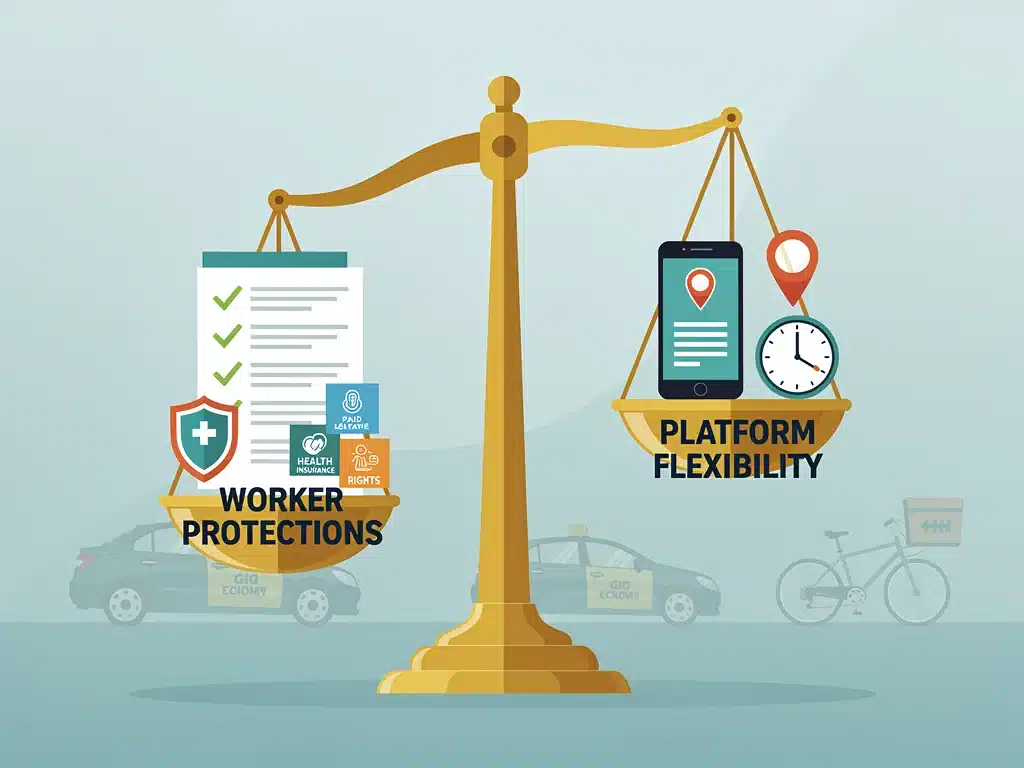
The ongoing legislative efforts signify a concerted move towards standardizing worker rights across the gig economy. This will likely lead to a more equitable playing field, reducing the precariousness often associated with gig work. However, it also presents challenges for platforms that thrive on flexibility and a lower cost structure. The balance between worker protection and business innovation remains a central tension in these policy discussions.
Mandatory Benefits and Protections: Expanding the Safety Net
Beyond classification, 2026 will see an expansion of mandatory benefits and protections for gig workers, regardless of their precise classification. This shift acknowledges the unique nature of gig work, where traditional employee-employer models don’t always fit, but workers still deserve a basic safety net. These policies aim to provide a middle ground, offering some benefits without necessarily imposing full employee status on all gig workers.
The push for these benefits stems from a recognition that many gig workers lack access to fundamental protections like paid sick leave, health insurance, and retirement plans. The COVID-19 pandemic starkly highlighted these vulnerabilities, prompting calls for more robust support systems. Policymakers are exploring various mechanisms to implement these benefits, including portable benefits models where funds accrue to the worker, not the platform.

Portable Benefits and Social Safety Net Contributions
One innovative approach gaining traction is the concept of portable benefits. This model allows benefits to be tied to the worker, rather than a specific company, making them transferable across different gig platforms. Contributions could come from platforms, workers, or a combination, managed by a third-party administrator or a state-run fund.
- Health Savings Accounts (HSAs): Platforms could contribute to worker HSAs, providing a flexible way for gig workers to manage healthcare costs.
- Retirement Accounts: Mandating contributions to portable retirement accounts, such as 401(k)s or IRAs, to ensure long-term financial security.
- Paid Time Off Funds: Establishing funds that allow gig workers to accrue paid time off for sickness or vacation, similar to traditional employment.
- Unemployment Insurance: Expanding access to unemployment insurance programs, potentially through new contribution models from platforms.
These initiatives address the inherent instability often found in gig work, offering a more secure financial footing. The implementation details are complex, involving questions of funding, administration, and equitable distribution. However, the political will to expand these protections is evident, driven by both worker advocacy and a broader societal understanding of the gig economy’s role in the modern workforce. The goal is to create a more resilient and secure environment for those who choose or rely on gig work for their livelihood.
Ultimately, these policy shifts reflect a growing consensus that the gig economy, while offering flexibility, must also ensure a baseline of security for its participants. The expansion of mandatory benefits and protections is a critical step towards achieving this balance, transforming the nature of gig work from precarious to sustainable for millions of Americans.
Fair Pay and Minimum Earnings Standards: Ensuring Livelihoods
The issue of fair compensation has long been a contentious point in the gig economy. Many gig workers report earning below minimum wage after accounting for expenses, leading to financial instability. The 2026 policy changes are set to introduce stricter regulations around minimum earnings and transparent pay structures, ensuring that gig work provides a living wage.
These policies are often a response to studies and worker testimonies highlighting the challenges of making ends meet through gig platforms. The aim is not only to establish a baseline income but also to provide greater transparency in how earnings are calculated, allowing workers to make more informed decisions about the assignments they accept. This includes addressing issues like unpredictable surge pricing, hidden fees, and the costs associated with vehicle maintenance or equipment.
Transparency in Earnings and Expense Reimbursement
New regulations will likely mandate greater transparency from platforms regarding how earnings are calculated. This means providing clear breakdowns of service fees, commission rates, and any deductions. Furthermore, there’s a strong push for policies that ensure expense reimbursement, especially for costs directly incurred while performing gig tasks.
- Upfront Earnings Estimates: Platforms will be required to provide clear, upfront estimates of earnings for each task, considering time and effort.
- Itemized Pay Statements: Regular, detailed statements showing gross earnings, deductions, and any bonuses or tips.
- Mandatory Expense Reimbursement: Policies compelling platforms to contribute to or fully cover work-related expenses like fuel, vehicle maintenance, and necessary equipment.
- Minimum Hourly Guarantees: Establishing a guaranteed minimum hourly rate, potentially adjusted for local cost of living, to ensure a baseline income.
These measures are designed to combat wage theft and ensure that gig workers are fairly compensated for their labor. The impact on platforms will be significant, requiring adjustments to their pricing models and operational costs. However, for workers, it represents a crucial step towards economic stability and dignity in their work. The focus on fair pay is a testament to the evolving understanding of labor rights in the digital age, asserting that flexibility should not come at the cost of basic economic security.
The implementation of minimum earnings standards and greater pay transparency will mark a pivotal moment for the gig economy. It signals a move away from purely market-driven compensation towards a model that incorporates social responsibility, ensuring that gig work can genuinely sustain those who rely on it.
Data Portability and Algorithmic Transparency: Empowering Workers
In an economy increasingly driven by algorithms and data, policies surrounding data portability and algorithmic transparency are becoming paramount. Gig workers often rely on platform data for their livelihoods, from ratings to performance metrics, yet have historically had limited access or control over this information. The 2026 policy shifts aim to empower workers by giving them greater access to their data and insights into the algorithms that govern their work.
This area of policy is particularly relevant as algorithms dictate everything from job allocation and pricing to worker deactivation. A lack of transparency can lead to unfair treatment, discrimination, and a sense of powerlessness among workers. New regulations seek to shed light on these opaque systems, fostering a more equitable and understandable working environment.
Understanding and Controlling Your Digital Work Profile
Data portability policies will grant gig workers the right to access and transfer their work-related data, such as earnings history, performance ratings, and customer feedback, to other platforms or personal records. Algorithmic transparency will require platforms to disclose how their algorithms make key decisions affecting workers.
- Access to Performance Data: Workers will have the right to access their full performance history, including ratings, completion rates, and any disciplinary actions.
- Explanation of Algorithmic Decisions: Platforms will be required to provide clear explanations for significant algorithmic decisions, such as deactivations or changes in pay rates.
- Data Transfer Rights: The ability to transfer personal and performance data to new platforms, potentially easing the transition between services.
- Appeal Processes for Algorithmic Decisions: Establishing clear and accessible mechanisms for workers to appeal decisions made by algorithms that impact their work or earnings.
These changes are not just about data; they are about power. By increasing transparency and control over their digital work profiles, gig workers can better understand their standing, identify potential biases, and advocate for themselves. For platforms, it means designing more ethical and transparent algorithmic systems, fostering greater trust with their workforce. This evolution in policy reflects a broader movement towards digital rights and fair treatment in an increasingly digitalized labor market.
The push for data portability and algorithmic transparency is a crucial step in modernizing labor law for the digital age. It ensures that while technology optimizes operations, it does not do so at the expense of worker fairness and autonomy, thereby creating a more equitable digital workplace.
Collective Bargaining Rights: A Voice for Gig Workers
Historically, independent contractors have been excluded from traditional collective bargaining rights, making it challenging for them to negotiate for better pay, working conditions, or benefits. The 2026 policy outlook points towards significant advancements in granting gig workers the ability to collectively organize and bargain, providing them with a stronger voice in their working arrangements.
This shift is driven by the realization that individual gig workers often lack the power to negotiate effectively with large platforms. Collective action, through unions or worker associations, is seen as a vital mechanism to balance this power dynamic. Various models are being explored, from sector-specific bargaining to new forms of worker representation that fit the decentralized nature of gig work.
New Models for Worker Representation
New legislation is likely to establish frameworks that allow gig workers to form unions or worker organizations specifically designed for the gig economy. These entities would have the legal standing to negotiate with platforms on issues such as pay rates, dispute resolution, and access to benefits.
- Sectoral Bargaining: Allowing workers across an entire industry sector (e.g., rideshare drivers) to collectively bargain with multiple platforms simultaneously.
- Worker Associations with Bargaining Power: Recognizing worker associations that can negotiate with platforms on behalf of their members, even without full unionization.
- Protected Concerted Activity: Expanding protections for gig workers who engage in collective actions, such as strikes or protests, without fear of retaliation.
- Dispute Resolution Mechanisms: Establishing independent arbitration or mediation processes for collective disputes between gig workers and platforms.
The ability to collectively bargain is a cornerstone of labor rights, and extending these rights to gig workers represents a fundamental re-evaluation of their status. While platforms may initially resist these changes due to potential cost increases and reduced flexibility, the long-term benefit could be a more stable and engaged workforce. Empowering workers through collective bargaining can lead to more sustainable working conditions and a more balanced gig economy.
The introduction of collective bargaining rights for gig workers will be a transformative policy change, enabling a more equitable distribution of power and fostering a more democratic workplace. It marks a significant step towards ensuring that the flexibility of the gig economy does not come at the expense of worker solidarity and advocacy.
Enhanced Enforcement and Accountability: Protecting New Rights
The effectiveness of any new policy hinges on its enforcement. Without robust mechanisms for oversight and accountability, even the most progressive laws can fall short. The 2026 gig economy shift will also bring enhanced enforcement measures, ensuring that platforms comply with new regulations and that workers have clear avenues for recourse when their rights are violated.
This focus on enforcement is critical because the gig economy’s decentralized and often opaque nature can make it difficult to monitor compliance. New policies will likely empower labor agencies, allocate more resources to investigations, and establish clearer penalties for non-compliance. The goal is to create a regulatory environment where both workers and platforms understand their rights and obligations, and where violations are swiftly addressed.
Strengthening Regulatory Oversight and Penalties
New policies will likely involve strengthening the capacity of federal and state labor departments to investigate and prosecute violations in the gig economy. This includes increasing staffing, developing specialized training for investigators, and implementing technology to monitor platform compliance.
- Increased Fines for Misclassification: Higher penalties for platforms found to be deliberately misclassifying workers to avoid obligations.
- Easier Worker Complaint Processes: Streamlined and accessible procedures for gig workers to file complaints regarding pay, benefits, or working conditions.
- Proactive Audits of Platforms: Regular and unannounced audits of gig platforms to ensure compliance with labor laws and algorithmic transparency requirements.
- Whistleblower Protections: Enhanced protections for gig workers who report violations, preventing retaliation from platforms.
These enforcement measures are designed to act as a deterrent against non-compliance and to provide gig workers with confidence that their newly established rights will be upheld. For platforms, it means a greater imperative to invest in compliance infrastructure and to proactively adapt their business models to the evolving regulatory landscape. The emphasis on accountability underscores a commitment to creating a fair and just gig economy where regulations are not just on paper but actively enforced.
Enhanced enforcement and accountability are indispensable for the success of the 2026 gig economy policy changes. By ensuring that new rights are rigorously protected, these measures will solidify the foundations of a more equitable and sustainable future for U.S. gig workers.
| Key Policy Area | Brief Impact Description |
|---|---|
| Worker Classification | Redefines independent contractor status, potentially granting more gig workers employee benefits. |
| Mandatory Benefits | Expands access to paid sick leave, healthcare contributions, and retirement plans for gig workers. |
| Fair Pay Standards | Introduces minimum earnings guarantees and greater transparency in pay calculations for gig tasks. |
| Collective Bargaining | Grants gig workers the right to organize and negotiate for better terms and conditions. |
Frequently Asked Questions About the 2026 Gig Economy Shift
The main goal is to clarify the distinction between independent contractors and employees, ensuring that gig workers receive appropriate protections and benefits. This aims to prevent misclassification and provide a fairer working environment for a significant portion of the U.S. workforce.
Portable benefits will allow gig workers to accrue benefits like paid time off, health savings, and retirement contributions that are tied to them, not a specific platform. This provides a crucial safety net, enhancing financial security and reducing dependency on single platforms.
Algorithmic transparency means platforms must disclose how their algorithms make decisions affecting workers, such as job allocation or deactivations. This empowers workers with knowledge, helps identify biases, and provides avenues for appealing unfair algorithmic outcomes, fostering trust.
Yes, new frameworks are being established to grant gig workers collective bargaining rights, allowing them to form unions or worker associations. This provides a stronger collective voice to negotiate for better pay, working conditions, and benefits with gig platforms.
Enforcement will be enhanced through stronger regulatory oversight, increased fines for non-compliance, and streamlined complaint processes for workers. Labor departments will receive more resources to audit platforms and ensure adherence to the new labor laws and protections.
Conclusion
The policy changes anticipated for the U.S. gig economy by 2026 signal a fundamental re-evaluation of how this sector operates. From redefining worker classification to ensuring fair pay, providing portable benefits, empowering collective bargaining, and strengthening enforcement, these shifts aim to create a more equitable and sustainable environment for millions of American gig workers. While challenges remain for both platforms and workers in adapting to these new regulations, the overarching goal is to balance the flexibility of gig work with the essential protections and rights that all laborers deserve. These updates represent a crucial step towards a more mature and responsible gig economy, reflecting society’s evolving understanding of modern work and its societal impact.