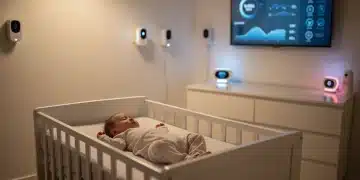
5G’s Impact on Family Connectivity by Late 2026: A Deep Dive
Advertisements
By late 2026, 5G will profoundly reshape family connectivity, delivering faster speeds, lower latency, and expanded capabilities that will integrate seamlessly into daily routines, enhancing entertainment, education, and smart home management.
Advertisements
The digital landscape is constantly evolving, and by late 2026, the impact of 5G on family connectivity will be nothing short of transformative. This next-generation wireless technology promises to redefine how families interact with technology, each other, and the world around them, offering unprecedented speeds and reliability.
Understanding the 5G Revolution in the Home
5G isn’t just a faster version of 4G; it’s a fundamental shift in network capabilities that will enable entirely new applications and experiences within the family unit. Its rollout, steadily progressing across the United States, is set to reach a critical mass by late 2026, making its advanced features widely accessible.
This technological leap brings with it three core advantages: dramatically increased speed, ultra-low latency, and massive capacity. These elements combine to create a robust digital environment that can support a multitude of connected devices simultaneously without compromising performance, a crucial factor for modern families with diverse digital needs.
The Pillars of 5G: Speed, Latency, and Capacity
- Blazing Speeds: 5G offers theoretical peak speeds up to 10 gigabits per second (Gbps), significantly faster than 4G, enabling instant downloads and seamless streaming of even the highest quality content.
- Ultra-Low Latency: With latency as low as 1 millisecond, 5G virtually eliminates delay, making real-time interactions, such as online gaming and remote robotic control, incredibly responsive.
- Massive Capacity: 5G networks can support a far greater number of connected devices per square kilometer than previous generations, essential for the growing ecosystem of smart home devices.
The implications of these advancements for family life are profound. From ensuring smooth video calls with relatives across the globe to powering sophisticated smart home ecosystems, 5G will become the invisible backbone of modern family connectivity. Its pervasive nature means that by late 2026, many families will experience a level of digital integration previously unimaginable, making daily tasks simpler and leisure activities more immersive.
Elevating Family Entertainment and Media Consumption
By late 2026, 5G will fundamentally transform how families consume entertainment, moving beyond simple streaming to deliver truly immersive and interactive experiences. The enhanced bandwidth and minimal latency will unlock new possibilities for shared digital moments, bringing families closer through technology.
Gone are the days of buffering screens or pixelated video calls. With 5G, multiple family members can simultaneously stream 4K or even 8K content on different devices without any degradation in quality. This means seamless movie nights, uninterrupted gaming sessions, and crystal-clear video chats with loved ones, all happening concurrently within the home.
Immersive Experiences: VR, AR, and Cloud Gaming
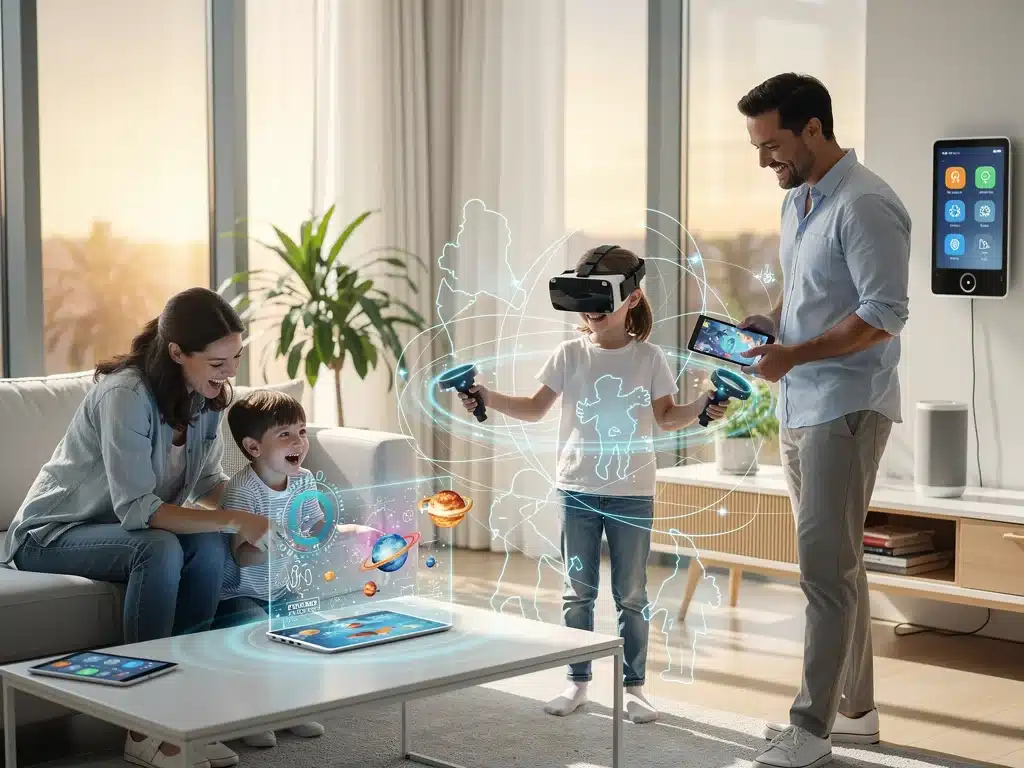
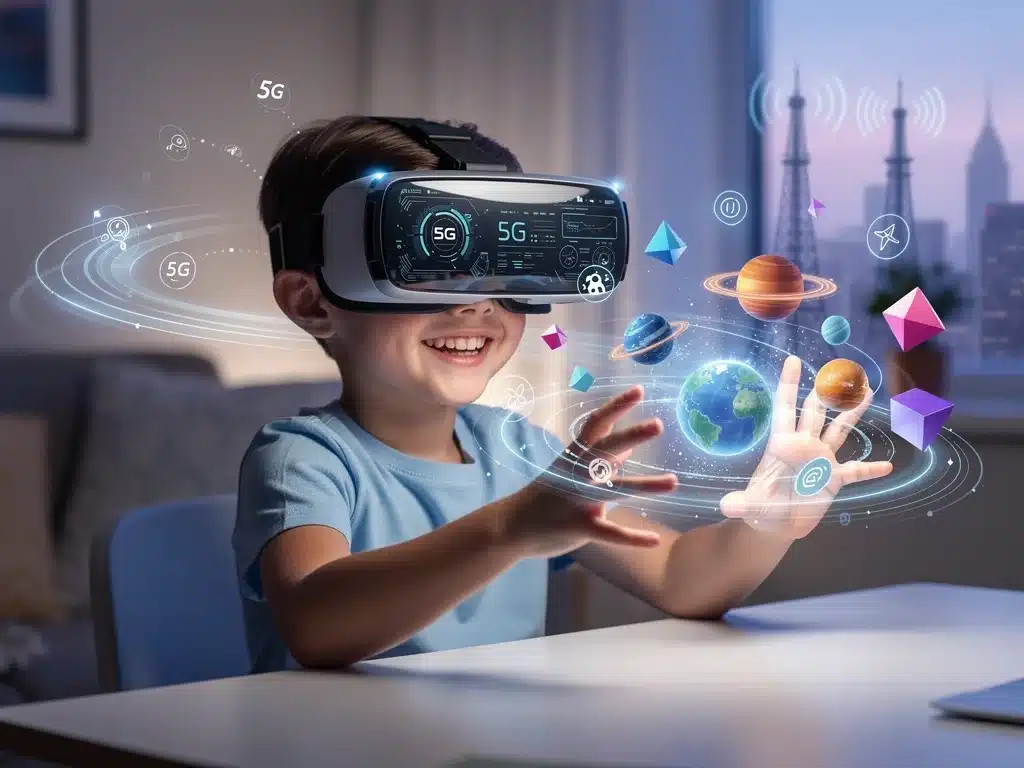
The true power of 5G in entertainment lies in its ability to support highly demanding applications like virtual reality (VR) and augmented reality (AR). Imagine family game nights where everyone is immersed in a shared virtual world, or educational AR experiences that bring history and science to life right in your living room.
- Enhanced VR/AR: 5G’s low latency allows for highly realistic and responsive VR/AR experiences, reducing motion sickness and enabling more complex virtual environments for gaming, education, and social interaction.
- Cloud Gaming Revolution: Cloud gaming services, which stream games from remote servers, will thrive on 5G. Families can access a vast library of high-end games on any device, without needing expensive consoles or powerful PCs, making gaming more accessible.
- Interactive Live Events: Enjoy concerts, sports, and other live events with interactive camera angles, real-time statistics, and immersive views, bringing the stadium experience directly into the home with unmatched fidelity.
Beyond individual experiences, 5G will foster a new era of communal digital entertainment. Families will be able to engage in synchronized viewing parties, participate in massive multiplayer online games together, or even co-create digital content with ease. This shift will make entertainment a more collaborative and engaging activity, strengthening familial bonds through shared digital adventures. The reliability of 5G ensures that these experiences are consistently smooth, preventing frustration and maximizing enjoyment for everyone involved.
The Smart Home Evolves: Seamless Integration with 5G
The concept of the smart home has been evolving for years, but by late 2026, 5G will be the catalyst that truly integrates these disparate devices into a cohesive, intelligent ecosystem. This advanced connectivity will enable smart homes to move beyond basic automation, offering predictive capabilities and enhanced security that significantly improve daily family life.
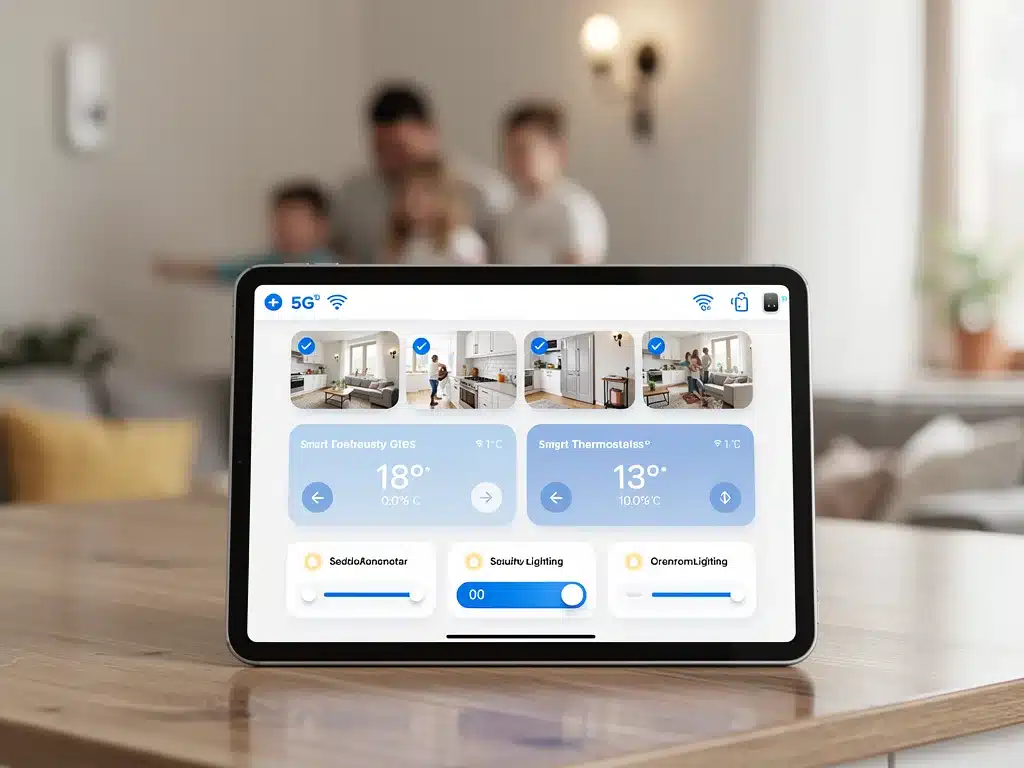
With 5G, the myriad of sensors, cameras, appliances, and control systems within a smart home will communicate almost instantaneously, creating a responsive and efficient environment. This means everything from smart thermostats learning your family’s preferences to security cameras providing real-time, high-definition alerts without any delay.
Advanced Smart Home Applications
- Unified Device Management: 5G’s capacity allows for hundreds of devices to be connected simultaneously, all managed from a central hub or even through voice commands, simplifying complex smart home setups.
- Enhanced Security Systems: High-definition security cameras, motion sensors, and smart locks will operate with zero lag, providing immediate alerts and crystal-clear footage, significantly boosting family safety and peace of mind.
- Energy Efficiency and Automation: Smart appliances and energy management systems will leverage 5G to optimize energy consumption based on real-time data and family schedules, leading to significant savings and a greener household.
The true benefit of 5G in the smart home by late 2026 will be its ability to enable proactive and personalized automation. Imagine your home adjusting lighting, temperature, and even music based on who is entering a room, or your smart refrigerator reordering groceries when supplies are low. These seamless integrations will free up valuable family time, allowing for more focus on relationships and activities rather than managing household logistics. The robust and reliable nature of 5G ensures that these critical systems are always online and responsive, providing unparalleled convenience and control.
Transforming Education and Remote Work for Families
The traditional boundaries of education and work have blurred dramatically, and by late 2026, 5G will be instrumental in making remote learning and working environments more effective and equitable for families. Its high bandwidth and low latency will bridge geographical gaps, offering unparalleled flexibility and access to resources.
For students, 5G means access to rich, interactive online learning platforms that were previously hindered by slow internet connections. This includes virtual field trips, collaborative projects with peers globally, and personalized tutoring sessions delivered with the clarity of in-person instruction. Parents working from home will also benefit from stable, high-speed connections that support demanding applications, ensuring productivity and seamless communication with colleagues.
Key Advancements in Remote Learning and Work
- Immersive Online Classrooms: 5G facilitates advanced e-learning platforms featuring VR/AR content, allowing students to explore complex subjects in 3D, conduct virtual lab experiments, and interact with educational simulations in real-time.
- Seamless Collaboration Tools: For both students and remote workers, 5G ensures smooth video conferencing, instant file sharing, and collaborative document editing, making teamwork effortless regardless of physical location.
- Access to Global Resources: Families in rural or underserved areas will gain access to educational content, professional development courses, and remote job opportunities that were previously out of reach due to limited internet infrastructure.
The flexibility offered by 5G will empower families to balance professional and educational pursuits with personal life more effectively. Parents can take calls from the park while children attend virtual lessons, or students can conduct research from anywhere with a strong 5G signal. This adaptability is crucial for the modern family, fostering an environment where learning and earning can seamlessly integrate into daily routines, promoting greater work-life harmony and expanding opportunities for all family members.
Healthcare and Well-being: A 5G Connected Family
By late 2026, 5G will play a pivotal role in enhancing family health and well-being, moving beyond traditional healthcare models to offer more proactive, personalized, and accessible solutions. The reliable and fast connectivity will enable a new era of remote care, preventive health monitoring, and immediate access to medical information.
Imagine wearable devices transmitting vital health data continuously to healthcare providers, allowing for early detection of potential issues. Or virtual doctor consultations that feel as personal and thorough as in-person visits, all facilitated by 5G’s robust network. This shift will particularly benefit families with elderly members, young children, or those living in remote areas, providing critical support and peace of mind.
Innovations in Family Healthcare
- Remote Patient Monitoring: 5G enables continuous, real-time transmission of health data from wearables and home medical devices, allowing doctors to monitor chronic conditions, track recovery, and intervene proactively.
- High-Quality Telemedicine: Ultra-reliable 5G connections ensure crystal-clear video and audio for virtual appointments, enabling comprehensive remote diagnoses and personalized care plans, reducing the need for hospital visits.
- Emergency Response Enhancement: Faster data transmission and precise location services powered by 5G will improve emergency services, allowing for quicker response times and more informed medical interventions during critical situations.
The integration of 5G into family healthcare will empower individuals to take a more active role in managing their health. Access to personalized health insights, digital wellness programs, and virtual support groups will become commonplace. This proactive approach, coupled with the ability to connect with medical professionals instantly, will lead to improved health outcomes and a greater sense of security for families. The seamless connectivity ensures that critical health information is always available when and where it’s needed most, fostering a healthier and more resilient family unit.
Addressing Challenges and Ensuring Digital Equity
While the promises of 5G are vast and exciting, its widespread adoption and equitable impact on family connectivity by late 2026 are not without challenges. Addressing these issues is crucial to ensure that all families can benefit from this technological advancement, rather than exacerbating existing digital divides.
One primary concern is the continued expansion of 5G infrastructure, particularly in rural and low-income urban areas. While progress is being made, ensuring comprehensive coverage and affordable access remains a significant hurdle. Without universal access, some families may be left behind, unable to tap into the educational, economic, and social benefits that 5G offers.
Overcoming Obstacles to Universal 5G Access
- Infrastructure Development: Continued investment and strategic planning are needed to deploy 5G networks in all regions, ensuring that remote and underserved communities are not excluded from the digital revolution.
- Affordability of Services: Service providers must offer diverse plans, including low-cost options, to make 5G accessible to families across all socioeconomic strata. Government subsidies may also play a role in promoting digital equity.
- Device Accessibility: The cost of 5G-enabled devices can be a barrier. Initiatives to provide affordable 5G devices or subsidies for families in need will be essential to ensure broad participation.
Beyond access, concerns around data privacy and cybersecurity will become even more pronounced with the proliferation of connected devices. Families need to be educated on best practices for protecting their personal information and securing their smart home ecosystems. Furthermore, the potential for increased screen time and digital dependency necessitates discussions about digital wellness and healthy technology habits. By proactively addressing these challenges, society can ensure that 5G serves as a tool for empowerment and connection, rather than a source of new inequalities or concerns for families.
The Future of Family Connectivity: Beyond 2026
Looking beyond late 2026, the impact of 5G on family connectivity will continue to evolve, laying the groundwork for even more advanced technologies and integrated experiences. 5G is not an endpoint but a foundational layer upon which future innovations will be built, promising a perpetually smarter and more connected family life.
The continuous refinement of 5G technology, along with the emergence of 6G on the horizon, suggests a future where connectivity is not just fast and reliable but also predictive and seamlessly integrated into every aspect of our environment. This will foster environments that anticipate needs and offer personalized interactions without explicit commands.
Emerging Trends and Potential Innovations
- Hyper-Personalized Environments: Future homes, powered by advanced 5G networks, might dynamically adapt to individual family members’ moods, preferences, and tasks, creating truly responsive living spaces.
- Holographic Communication: Imagine communicating with distant relatives through lifelike holographic projections, making virtual interactions feel almost physical. 5G’s capabilities are a stepping stone towards such advanced forms of communication.
- Pervasive AI Integration: Artificial intelligence will become even more deeply embedded in connected devices, leveraging 5G to process vast amounts of data in real-time, offering predictive assistance and intelligent automation across all family activities.
As 5G matures and its capabilities are fully harnessed, the line between the physical and digital worlds for families will continue to blur. This future promises not just convenience but entirely new ways of learning, playing, and interacting, making family life more enriched and interconnected. The ongoing development of these technologies will require continuous adaptation and thoughtful consideration of their societal implications, ensuring that the advancements serve to strengthen family bonds and enhance overall well-being in an increasingly digital age.
| Key Impact Area | Expected Transformation by Late 2026 |
|---|---|
| Family Entertainment | Seamless 4K/8K streaming, immersive VR/AR gaming, and interactive live events without buffering. |
| Smart Home Integration | Unified, responsive management of hundreds of devices, enhanced security, and predictive automation. |
| Education & Remote Work | Immersive online classrooms, seamless collaboration, and global resource access for students and remote workers. |
| Health & Well-being | Real-time remote patient monitoring, high-quality telemedicine, and improved emergency response. |
Frequently Asked Questions About 5G and Family Life
By late 2026, 5G will enable seamless 4K/8K streaming on multiple devices, deliver immersive VR/AR gaming experiences without lag, and support interactive live events. This means families can enjoy higher quality media and more engaging digital activities together, transforming leisure time.
5G will allow smart homes to integrate hundreds of devices seamlessly, providing unified management, enhanced security systems, and predictive automation. This creates a more responsive, efficient, and secure living environment, simplifying daily tasks and improving convenience for families.
Absolutely. 5G’s high bandwidth facilitates immersive online classrooms with VR/AR content and enables seamless collaboration tools for remote work. This provides greater flexibility, access to global resources, and helps families balance professional and educational pursuits more effectively, bridging geographical gaps.
5G will transform family health through real-time remote patient monitoring from wearables, high-quality telemedicine consultations, and improved emergency response systems. This leads to more proactive, personalized, and accessible healthcare solutions, offering peace of mind and better health outcomes for all family members.
Key challenges include ensuring comprehensive 5G infrastructure development in all areas, making services and devices affordable for diverse socioeconomic groups, and addressing data privacy and cybersecurity concerns. Overcoming these is vital to prevent digital divides and ensure all families benefit from 5G’s advancements.
Conclusion
By late 2026, the pervasive influence of 5G will have fundamentally reshaped family connectivity, moving beyond mere speed enhancements to create a truly integrated and intelligent digital ecosystem within the home. From revolutionizing entertainment and smart home management to transforming education, remote work, and healthcare, 5G promises a future where digital interactions are seamless, immersive, and more impactful than ever before. While challenges related to access and digital equity remain, concerted efforts are underway to ensure that the benefits of this transformative technology are available to all families, fostering a more connected, efficient, and enriched daily life. The journey with 5G is just beginning, and its trajectory suggests a future brimming with unprecedented opportunities for family interaction and well-being.